
UAE Halts Trade with Iran Following New Missile Attacks
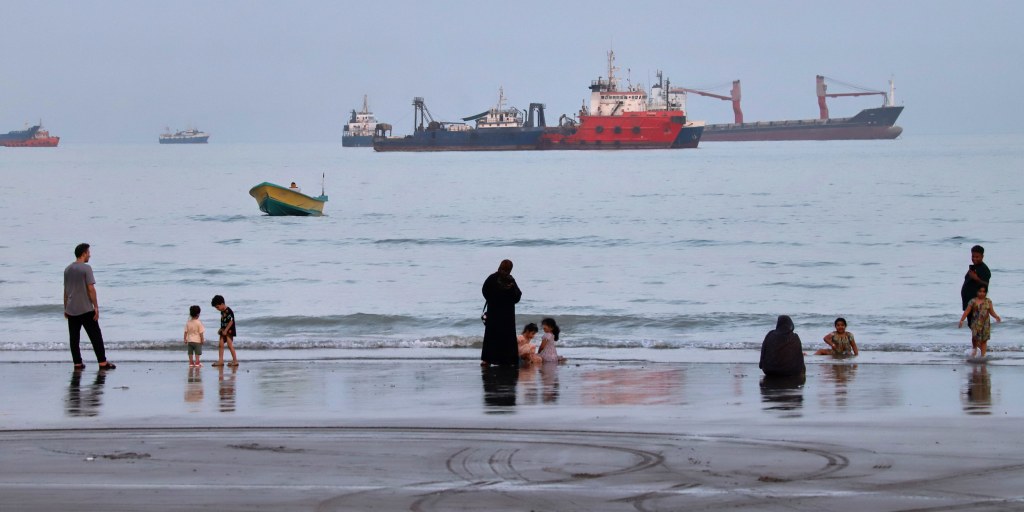
In recent developments regarding maritime security in the UAE, the Defense Ministry has released information highlighting missile assessments that indicate a significant threat to maritime traffic in the region. This raises concerns about safety and stability in one of the world’s busiest shipping lanes.
Understanding the Threat to Maritime Traffic
The missile assessments conducted by the UAE Defense Ministry revealed that recent military activities were primarily aimed at disrupting maritime operations. Although the specific targets of these missiles have not been conclusively identified, the implications are worrying for the safety of ships navigating the region. The Strait of Hormuz, a critical chokepoint for global oil supplies, has been a flashpoint for tensions, especially with the presence of various military forces and potential threats from hostile nations.
The Implications for Energy Security
The Strait of Hormuz is a vital artery for international oil transportation, with approximately one-fifth of the world’s crude oil passing through it. Any disruption caused by missile threats could have far-reaching implications not just for local forces but also for global markets. The potential for increased shipping costs and fluctuating oil prices exists if maritime safety is compromised. Moreover, shipping companies may need to divert routes or implement additional security measures, further straining supply chains already affected by global disruptions.
Regional Stability at Stake
The news of missile threats to maritime traffic underscores a broader issue of regional stability in the Middle East. Tensions between various nations have been escalating, and the possible targeting of vessels could provoke military responses, thereby aggravating existing conflicts. It is crucial for regional players to engage in diplomatic discussions to prevent any escalation that could lead to military confrontations. The strategic importance of the UAE in maintaining this stability cannot be overstated, given its role as a key ally to Western powers in the region.
Future Outlook and Defensive Measures
In light of these potential threats, the UAE is likely to enhance its military readiness and invest in more advanced defense systems to protect its maritime interests. Collaborative efforts with allies, including joint military exercises and intelligence sharing, will be essential in bolstering maritime security. Additionally, international legal frameworks aimed at protecting shipping lanes will need reinforcement to ensure long-term stability. The commitment to safeguarding maritime routes not only serves national interests but also addresses global concerns about energy security and economic stability.
In summary, the recent assessments by the UAE Defense Ministry regarding missile threats to maritime traffic highlight an urgent issue that demands a multifaceted response involving military preparedness, diplomatic engagement, and collaborative international efforts. As the region continues to navigate these complex challenges, ensuring the safety of maritime shipping lanes remains a paramount concern for both local stakeholders and the global community at large.