
Essential Factors to Consider Before Investing Your First Dirham
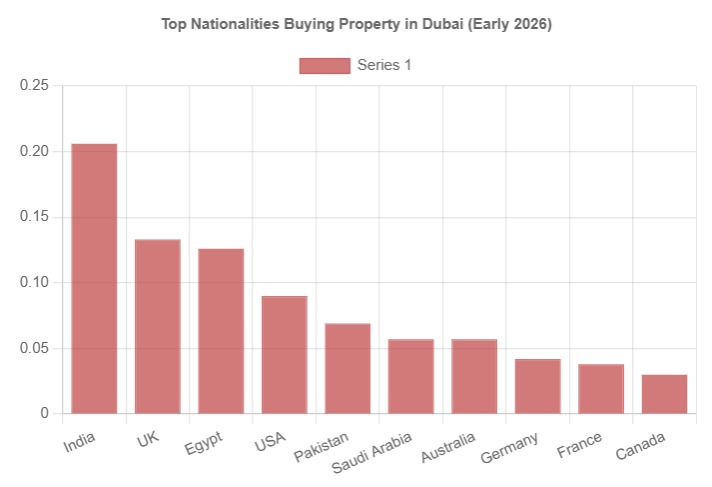
Dubai’s real estate landscape has shifted dramatically in recent years. Once primarily measured in terms of financial investments and impressive skylines, the city’s property market is now increasingly associated with international migration and residency. Recent reports highlight that Indian buyers constitute a significant portion of foreign investment in Dubai’s residential sector, making up approximately 20.6% of all foreign transactions in early 2026. This trend places them ahead of buyers from the UK and Egypt, illustrating the growing appeal of Dubai for investors seeking property abroad.
Understanding Ownership Types in Dubai
When considering a property purchase in Dubai, it’s essential to grasp the type of ownership available to foreign nationals. The city categorizes real estate into freehold and leasehold areas. Non-resident buyers, including Indians, can only attain full ownership within designated freehold zones. Areas such as Dubai Marina, Downtown Dubai, and Palm Jumeirah are prime locations where foreign property ownership is permitted. If a broker offers a deal outside these zones, it’s crucial to clarify the extent of ownership being offered. Usufruct or leasehold agreements allow usage of a property for a specified period but do not confer full ownership rights, which can complicate future sales, financing, or residency applications.
Residency Visa Implications of Property Buying
One of the significant incentives for investing in Dubai real estate is the potential to obtain a UAE residence visa, which is contingent on the amount spent. As of 2026, purchasing any freehold property qualifies you for a 2-year visa without a minimum spending requirement. If you’re buying with someone else, each individual must contribute at least AED 400,000. Additionally, for those aged 55 and older, a minimum investment of AED 1 million yields a 5-year visa. If you’re looking for the coveted 10-year Golden Visa, an investment of AED 2 million is necessary. Recent changes have broadened eligibility by allowing off-plan properties to count towards this amount and removing the previous requirement of having to pay 50% in cash upfront.
Buyer Profiles and Due Diligence
The profile of Indian buyers in Dubai varies significantly. Those already residing in the UAE typically experience a smoother purchasing process. Transactions are conducted in AED, making financing more manageable. However, non-resident buyers face different challenges, such as stricter mortgage terms and potential bureaucracy if legally absent at property signing. Regardless of one’s residency status, due diligence remains crucial when navigating the Dubai property market.
It’s vital to account for additional costs beyond the advertised price—typically around 7-8% of the purchase price—to cover transfer fees, agency commissions, and registration costs. This financial foresight helps in making informed decisions when investing in Dubai real estate.
Conducting Proper Checks
Buyers should not overlook the importance of verifying developer credentials and ensuring that an escrow account exists for off-plan projects. Dubai’s Real Estate Regulatory Agency (RERA) mandates the use of secured escrow accounts, protecting investment funds and ensuring that payment goes directly into the development of the property. It’s essential to verify a project’s RERA registration and review the developer’s history concerning project completion timelines to avoid future complications.
Furthermore, if renting the property, Indian residents must declare their international assets on their income tax returns and may need to split payments when transferring funds due to RBI remittance limits. Engaging a chartered accountant familiar with the intricacies of Dubai’s real estate tax implications can provide important insights into navigating these requirements more efficiently.
Ultimately, seasoned buyers conduct thorough research before making a purchase, visiting the project site, comparing multiple listings, and carefully reviewing agreements. Though Dubai’s real estate sector presents numerous opportunities, a well-informed approach is crucial for making sound investments that align with one’s financial goals.