
Essential Considerations Before Investing Your First Dirham
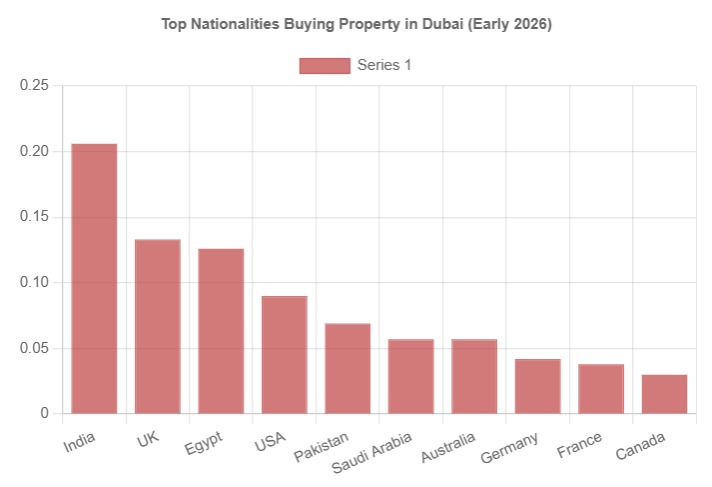
Dubai has transformed into a real estate hotspot, drawing international buyers, particularly from India. As this market continues to evolve, understanding the nuances of buying property has become increasingly essential, especially for prospective Indian investors. This guide highlights key considerations for navigating the Dubai property market effectively.
Understanding Ownership Regulations
Dubai’s real estate structure is divided into freehold and leasehold zones, a crucial aspect for foreign buyers. Nationals can only purchase property outright in designated freehold areas such as Dubai Marina, Downtown Dubai, and Palm Jumeirah. If a broker suggests a fantastic deal outside these zones, inquire about the nature of your ownership. Leasehold properties allow usage rights for a limited period—usually up to 99 years—but do not confer full property ownership. Hence, it’s vital to grasp this distinction before making a commitment, as it will impact future resale opportunities and residency applications.
Property Purchase and Residency Visa Information
Acquiring property in Dubai can facilitate obtaining a UAE residence visa, but eligibility rules recently changed. As of early 2026, any freehold purchase qualifies buyers for a two-year visa, without a required minimum spend. When purchasing jointly, each participant must contribute at least AED 400,000. For those aged over 55, a minimum investment of AED 1 million secures a five-year visa. Notably, for the 10-year Golden Visa, investments of AED 2 million are now eligible, including off-plan properties, marking a significant shift in policy.
Another substantial change allows the total property value to count toward your AED 2 million requirement, even if financed through a mortgage. This flexibility opens up additional avenues for buyers looking to secure residency while investing. For instance, an investor could start with a smaller, income-generating property and later acquire additional units to reach the required investment threshold.
Financial Considerations Beyond the Purchase Price
While the listed property price is a starting point, purchasers should prepare to allocate roughly an additional 7-8% of the purchase cost for various fees. The Dubai Land Department charges a 4% transfer fee, and there are typically agency commissions and other smaller costs involved. Investors should also account for higher down payments—50% or more—if financing through a mortgage, especially for non-residents. These financial elements are crucial to budgeting effectively and should not be overlooked during the buying process.
Due Diligence: Research and Developer Verification
Before committing to any purchase, performing due diligence is essential. Verify the developer’s history and the project’s status with the Real Estate Regulatory Agency (RERA) in Dubai. Each off-plan project should utilize a RERA-regulated escrow account, ensuring that your funds are allocated specifically for the construction of that project. Additionally, consider visiting the site or having a trusted individual assess it prior to any financial commitment. This level of scrutiny can help mitigate risks and ensure that your investment is sound.
In conclusion, buying property in Dubai can be a lucrative investment for Indian nationals, provided they take the necessary precautions and understand the landscape. The market continues to evolve, offering various opportunities, but success relies on informed decision-making and thorough research. As the Dubai property market remains one of the most appealing in the region, ensuring you are well-prepared will lead to a rewarding investment experience.