
Essential Considerations Before Investing Your Initial Dirham
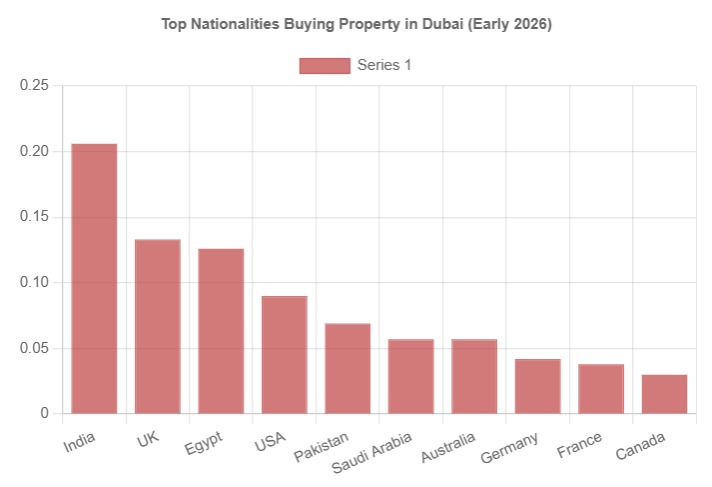
Dubai’s real estate landscape has evolved significantly, now reflecting not just skyline achievements but also a surge in nationalities investing in the city. Recent trends indicate that Indian buyers are leading the charge, comprising approximately 20.6% of foreign purchasing activity in early 2026. This remarkable statistic showcases the growing allure of Dubai’s residential market for overseas investors.
Understanding Ownership in Dubai
Dubai’s property market is categorized into freehold and leasehold zones. Foreign nationals, including those from India, can only secure full ownership rights in specific freehold areas. Notable locations such as Dubai Marina, Downtown Dubai, and Palm Jumeirah fall under this category, totaling over 60 designated zones. Many potential buyers may overlook the crucial distinction between full and limited ownership. It’s vital to verify what type of ownership is being offered in any deal, as leasehold arrangements only provide usage rights typically for terms up to 99 years, without granting full title. Failing to clarify this can lead to challenges down the line, such as difficulties in reselling or financings, making it essential to do your homework before signing any agreements.
Residency and Investment Compatibility
Purchasing property in Dubai can secure a UAE residence visa, but the specifics depend on the investment amount. As of 2026, the rules have changed significantly. Individuals buying a freehold property solely in their name now qualify for a two-year visa, with no minimum purchase price required. For joint purchases, each buyer must invest at least AED 400,000. If you’re over 55, a minimum investment of AED 1 million will earn a five-year visa.
The coveted 10-year Golden Visa requires a property investment of AED 2 million or more. Recent adjustments have made this qualification process more accessible. Previously, only fully constructed properties counted towards this threshold, but now off-plan investments are also considered. Furthermore, there’s no longer a requirement for the buyer to cover 50% of the cost upfront if financing through a mortgage, simplifying the process for many overseas investors.
Profile of Indian Buyers and Financial Considerations
Indian buyers in Dubai aren’t a monolithic group; they vary significantly based on their residency status. Those already residing in the UAE often find it easier to make purchases as their funds are in AED, facilitating smoother transactions. Conversely, Indians applying from abroad face steeper mortgage options and must often utilize a Power of Attorney if not present at closing.
Adapting your budget beyond just the purchase price is essential. Generally, one should allocate an additional 7-8% of the property value for various fees, such as the Dubai Land Department’s 4% transfer fee and agency commissions. Non-resident buyers might encounter stricter down payment requirements, usually around 50%, making thorough financial planning crucial.
Due Diligence: Protecting Your Investment
Before committing to any property, ensure a thorough check and verify the developer’s credibility. Dubai’s Real Estate Regulatory Agency (RERA) oversees property transactions, providing a structure for safeguarding investor funds through regulated escrow accounts. Always confirm the developer’s track record by assessing the timely completion of their past projects.
In addition, be aware of tax implications back home in India. Indian taxpayers must declare foreign property holdings in their income tax returns, which can complicate financial reporting. If renting the property, income generated is also taxable under Indian regulations. Understanding these complexities is essential to making an informed investment and avoiding unforeseen challenges later.
To sum up, the Dubai property market has become increasingly attractive for Indian investors thanks to its transparent regulations and favorable ownership structure. Experience suggests that careful research and due diligence can go a long way in making a successful purchase. By asking the right questions, verifying ownership rights, understanding financial implications, and visiting potential properties, buyers can make informed decisions that meet their long-term goals.