
AI and Emerging Technologies Revolutionize UAE’s Sports Industry
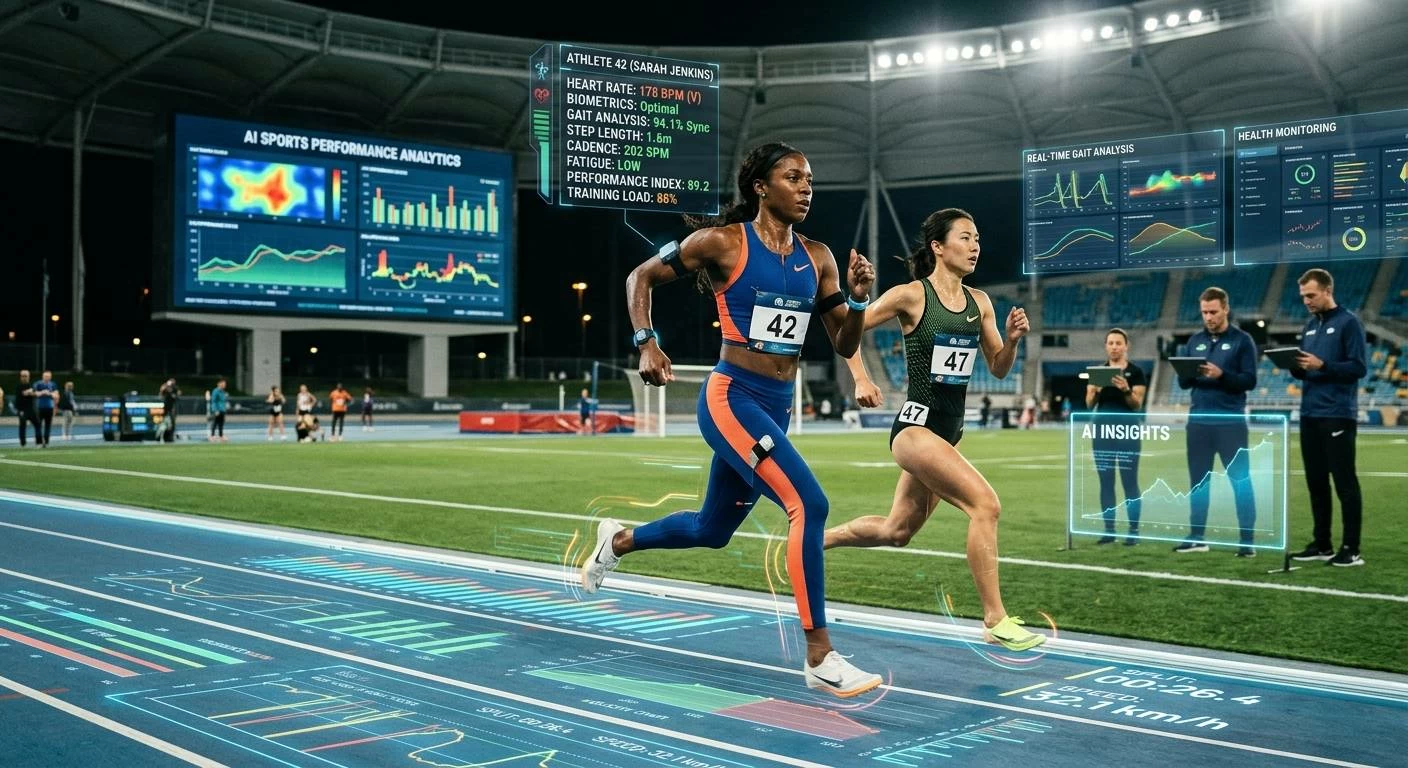
Introducing advanced technologies into the sports sector is revolutionizing how athletes are trained and monitored. In the UAE, the rapid adoption of artificial intelligence (AI) is leading to significant improvements in performance assessment and talent development, transforming traditional methodologies into precise, data-driven systems.
The Rise of AI in Sports
Artificial intelligence is no longer just a concept but a core part of contemporary sports training and analysis. These sophisticated tools allow trainers and administrators to move beyond basic performance metrics, providing deeper insights through a comprehensive analysis of an athlete’s physiology and behavior. Factors such as movement efficiency, recovery rates, and sleep patterns are now integral to understanding an athlete’s readiness for competition and training loads.
Data analytics plays a crucial role in synthesizing vast data sets collected from tracking devices, physical assessments, and video analysis. This integration allows coaching staff to derive actionable insights, enabling them to monitor athletes more effectively, enhance their strengths, and identify areas needing improvement.
Injury Prevention and Rehabilitation
The potential of AI goes beyond performance enhancement; it plays an important role in injury prevention and recovery strategies. By utilizing historical data regarding an athlete’s training loads, fatigue levels, and responses to various exercises, technical teams can make informed decisions about rest periods and rehabilitation protocols. This approach ensures that athletes return to competition safely and in optimal condition.
Talent identification is another crucial aspect that has benefitted from digital transformation. Advanced databases that track physical and technical indicators from an athlete’s early career offer sports federations and clubs a more precise toolset for evaluating player development and long-term potential. As a result, these organizations can streamline their scouting processes, ensuring that they nurture the next generation of elite athletes.
Collaborative Innovations in Sports Technology
The collaboration between sports institutions and technology companies demonstrates a growing commitment to integrating advanced technologies within the sports ecosystem. Initiatives such as AI-driven equipment design show that the application of technology is not limited to performance analysis. Instead, it’s evolving to create innovative solutions that enhance both athletes’ and spectators’ experiences.
Organizations like UAE Team Emirates-XRG are at the forefront of this transformation, investing in AI technologies to improve performance. Their use of AI-designed helmets during upcoming events exemplifies how technology can enhance not only competitive efficacy but also everyday training methodologies for athletes.
These partnerships create an essential platform for testing and refining digital applications in the sports sector. This engagement deepens fan interaction and fosters a more immersive sports experience, cultivating a culture of innovation and enhancing the overall perception of athletic performance.
Future Prospects and Strategic Initiatives
As organizations like the UAE Taekwondo Federation invest in smart technologies to analyze athletes’ performance data, the emphasis on data-driven decision-making continues to rise. Their efforts in deploying intelligent protective gear and comprehensive monitoring systems signify a commitment to maximizing athlete potential.
The Federation is also coordinating with the UAE Committee for Sports Talent Development to ensure that these technologies are utilized effectively in preparing national teams for competitive events. By linking technical and physical markers to competitive outcomes, they are paving the way for accelerated talent identification processes.
In conclusion, the integration of digital platforms in the UAE sports sector enriches the athlete monitoring landscape, enabling remote assessments and streamlined communication between medical and technical teams. As the nation strives to create a more innovative and competitive sports environment, AI and advanced technologies will be pivotal in shaping the future of athletic training and performance evaluation.