
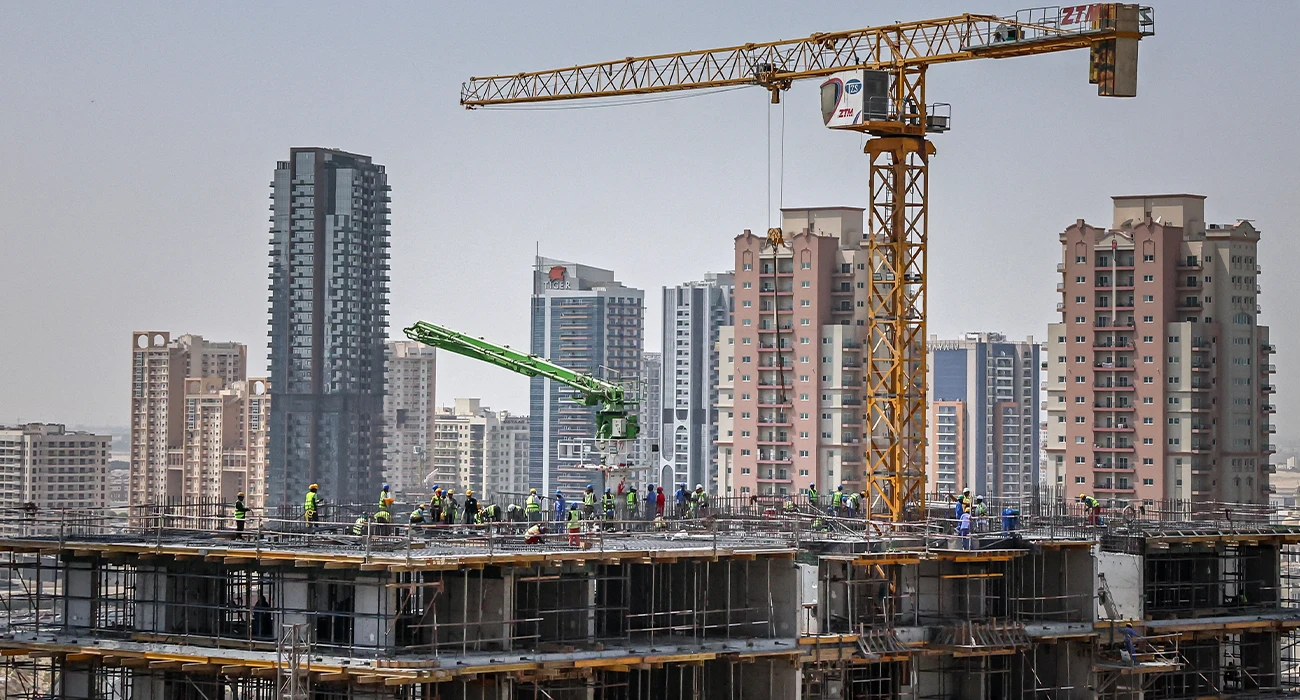
Wealthy Pakistanis Bringing Dubai Real Estate Investments Back Home Amid Gulf Crisis
In recent developments, a noticeable trend has emerged among Pakistani investors, marking a significant shift in their real estate strategies. Due to rising geopolitical tensions, particularly the ongoing US-Iran conflict, many individuals are opting to sell their properties in Dubai and reinvest their gains into luxurious residences in Karachi. This change suggests a reevaluation of Dubai’s status as a secure investment haven.
Declining Appeal of Dubai Properties
The impact of the US-Iran war on Dubai’s real estate market cannot be overstated. As tensions escalated, the allure of Dubai as a stable investment destination began to wane. Reports indicate a stark 37 percent decrease in real estate transactions within the United Arab Emirates during the first half of March, compared to the previous year. Additionally, figures from Goldman Sachs suggested a 49 percent dip from February to March. Property owners in Dubai have already begun offering discounts of approximately 12 to 15 percent to attract buyers amid the declining market conditions.
May further highlighted the downturn with a reported 19 percent drop in property sales compared to April. Analysts attribute this decline to concerns among investors who were previously attracted by Dubai’s political stability and tax-free environment. As uncertainty looms in the region, the market’s once-unshakeable foundation appears increasingly vulnerable.
Shifting Investments to Karachi
Amid the turmoil, a substantial number of Pakistani investors are looking to liquidate their real estate holdings in Dubai. Mohammed Hassan Bakshi, chairman of the Association of Builders and Developers of Pakistan, noted a significant trend: “Money is not going to Dubai anymore.” He pointed out a palpable sense of anxiety regarding the ongoing conflict, leading many investors to redirect their funds back to Pakistan, particularly into developing upscale properties in Karachi’s Defense Housing Authority (DHA) area.
The dynamics of this move are not about panic-selling but rather strategic portfolio adjustments. A Dubai-based investor shared that while some clients are divesting properties, it often constitutes a measured approach rather than mass withdrawals. For example, clients who once owned multiple villas may sell a few but retain other properties as part of a calculated reshuffle in their investments.
Increased Remittances and Economic Implications
Accompanying the trend of asset liquidation is a noticeable rise in foreign inflows into Pakistan during this period of instability. Data indicates that workers’ remittances from the UAE surged by around 13 percent year-on-year, totaling approximately $5.55 billion between February and August 2023. This uptick suggests that as fears grow regarding investments abroad, many Pakistanis are choosing to bring funds back home. Inflows through Roshan Digital Accounts also saw a remarkable 52.2 percent increase, indicating that overseas Pakistanis are keen on leveraging opportunities within their home country.
While rising remittances may indeed reflect a shift in investor confidence favoring domestic markets, experts caution against solely interpreting this financial activity as indicative of large-scale investment repatriation. Zafar Sultan Paracha, secretary-general of the Exchange Companies Association of Pakistan, emphasized the necessity for clarity regarding the sources of these funds and their ultimate destination within Pakistan.
Impact on Karachi’s Real Estate Market
The influx of returning investments has begun to exert pressure on property prices in Karachi, particularly in affluent neighborhoods. Bakshi noted that property values have surged dramatically in areas like DHA, with plots that previously sold for Rs400 million now fetching as high as Rs600 million. While this price escalation may appear significant, independent data to validate the extent of these changes and their correlation to returning investments remains scarce.
In summary, the current geopolitical climate, particularly the US-Iran war, has prompted a shift in Pakistani investors’ real estate strategies, encouraging them to reposition their assets from Dubai to Karachi. As Dubai’s stability is questioned, Karachi appears to be gaining favor as a reliable alternative for investment, which is reshaping the landscape of both markets.