
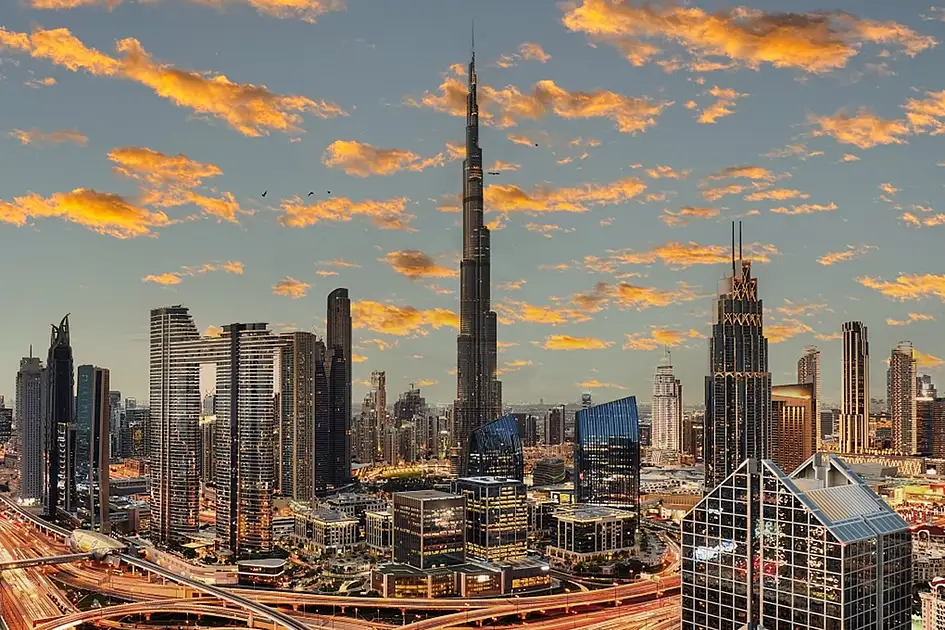
UBS Reports: Dubai Ranks as One of the Most Budget-Friendly Cities for Homebuyers Globally
Dubai stands out in terms of real estate affordability, making it an attractive option for potential homeowners. Recent findings from UBS in their Global Real Estate Bubble Index 2026 reveal that residents in Dubai require an average of just five years of income to purchase a 60-square-meter apartment close to the city center. This places Dubai among the most financially accessible markets compared to other major cities worldwide.
Comparative Affordability Across Major Cities
When looking at the data, the differences in home affordability become strikingly evident. For example, individuals in Hong Kong face an arduous 15 years of earning to acquire a similar property, while buyers in London must save for approximately 11 years. Other cities like Tokyo, Paris, and Seoul also demand more than a decade of income to secure a comparable home. This stark contrast puts Dubai’s property market in a favorable light, making it an appealing destination for homebuyers.
On a price-to-rent basis, Dubai is among the most economical options globally. UBS reports that an apartment in the city takes only 16 years of rental income to offset its purchase price, aligning it with cities like Miami and São Paulo for the shortest durations. Conversely, cities such as Zurich and Geneva take significantly longer, with estimates of 46 and 40 years, respectively, to recoup rental costs.
Real Estate Trends Amidst Regional Tensions
The Dubai real estate market has proven its resilience despite recent geopolitical tensions that have affected the region. After a period of significant price growth spanning over five years, the market is now experiencing a softening. Real house prices have reverted to mid-2025 figures, while rental rates have decreased to levels lower than those recorded a year ago. UBS has indicated that while some easing has been witnessed since March, the risk of a market bubble remains notable.
Industry experts maintain that Dubai’s property market continues to be more affordable compared to other global hubs. This assessment helps mitigate concerns about a potential bubble forming in the local market. In the past year, Dubai saw a modest increase of 0.4% in real home prices by the second quarter of 2026. Real rents, on the other hand, have decreased by 4% during the same timeframe, signifying shifting market dynamics.
Homeownership vs. Renting in Dubai
Despite the challenges posed by high mortgage rates, homeownership in Dubai remains an attractive prospect for many. Existing tenants are likely to benefit from a pause in price increases and potential concessions on pricing when moving to purchase their own homes. UBS emphasizes that the structural advantages of the city—including its strategic location and status as a global business hub—continue to bolster the real estate market.
An improvement in regional geopolitical conditions would likely enhance market sentiment and expectations for price rebounds. In the broader context, cities like Zurich and Tokyo are classified by UBS as facing high bubble risks, while Miami, Dubai, Seoul, Lisbon, and Geneva are categorized as having elevated risks. In contrast, major cities such as London, Paris, and New York receive low-risk ratings, further underscoring the relative stability and attractiveness of Dubai’s real estate landscape.
In conclusion, with its combination of affordability, a robust rental market, and resilience against external pressures, Dubai continues to shine as a prime location for potential homeowners looking to make a smart investment in real estate.