
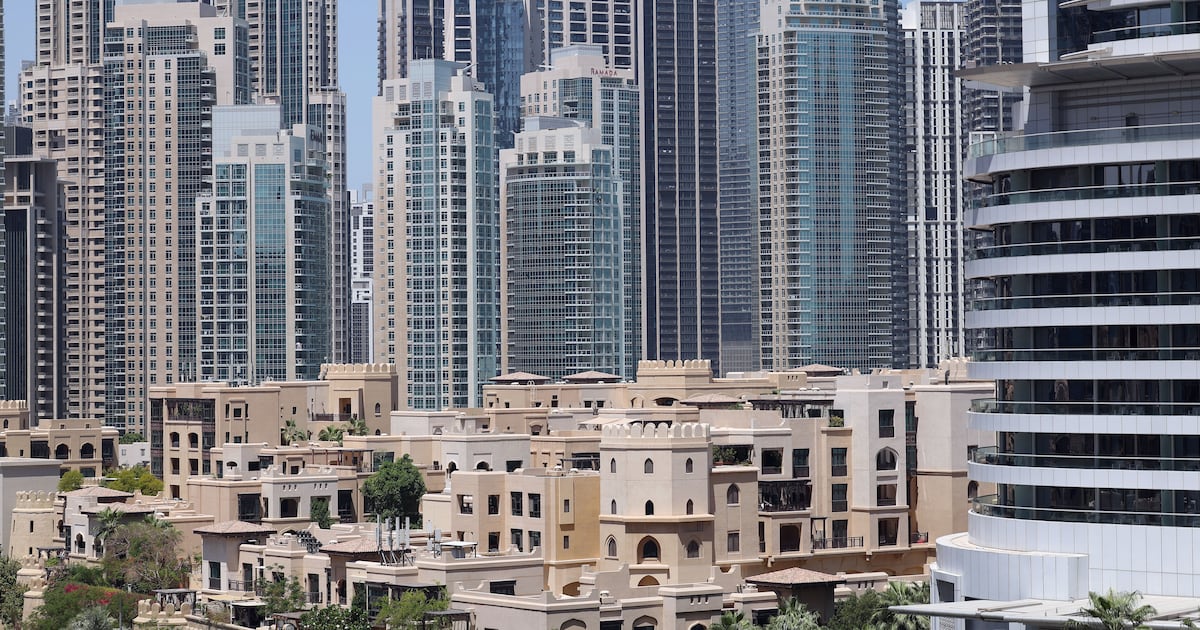
Dubai home sales decline in Q3 amid regional instability
The real estate market in Dubai witnessed a notable decline in both the number and value of residential property transactions during the third quarter of this year. This downturn is largely attributed to an increase in buyer caution stemming from ongoing regional uncertainties, particularly the Iran conflict. Recent analyses shed light on these shifting dynamics and what it means for the future of Dubai’s property market.
Significant Decrease in Home Sales
According to a report from property consultants Cavendish Maxwell, home sales in Dubai reached a total of Dh72.6 billion (approximately $19.7 billion) in the period ending in September. This represented a staggering 47% reduction compared to the same timeframe last year. Additionally, transaction numbers plunged by 38%, totaling around 34,000. The report indicated that these figures reflect a slowdown as the backlog in property sales registrations begins to clear. Ronan Arthur, director and head of residential valuation at Cavendish Maxwell, emphasized that this data captures a blend of new and older buying activities, demonstrating the time lag between agreement and formal sale registration.
Shifting Buyer Behavior
Market participants are clearly becoming more cautious. As highlighted by Mr. Arthur, the weeks following the onset of the Iran war saw a more measured approach to property purchasing. This shift has led to a decline in buyer enthusiasm, which is evident in sales transactions. Notably, the off-plan sector continues to dominate, accounting for 65% of total sales values and 72% of property purchases during the quarter. Despite the market’s previous boom, fueled by various government initiatives aimed at enhancing its appeal, the ongoing geopolitical tensions have started to cool the enthusiasm.
Overall Market Decline
The overall trend in Dubai’s residential market reflects broader regional issues. Throughout the first nine months of the year, total sales transactions fell by 23% year-on-year, with values decreasing by 27%, amounting to Dh292 billion. A report from S&P Global Ratings echoed these findings, reporting a significant decline in monthly residential transactions. From March to September 2026, the average number of transactions was 12,644 per month—down 26% from the 17,198 recorded in January and February of the same year.
Future Projections and Market Correction
Looking ahead, S&P Global Ratings anticipates a gradual price correction in Dubai’s property market rather than a rapid decline. The agency believes that government reforms and large-scale infrastructure initiatives will continue to enhance Dubai’s attractiveness as a real estate hub. This could lead to secondary-market transactions, where investors may be more inclined to sell their properties in response to fluctuating prices. Emaar Properties’ founder, Mohamed Alabbar, has also noted potential adjustments of around 5% to 10% in the broader market, emphasizing that if conditions stabilize, the market could experience a swift rebound.
In summary, while the recent downturn in Dubai’s real estate market is concerning, various underlying factors could contribute to a future recovery, provided geopolitical conditions improve. Buyers and investors alike will need to stay informed about ongoing developments to make well-timed decisions in this dynamic environment.