
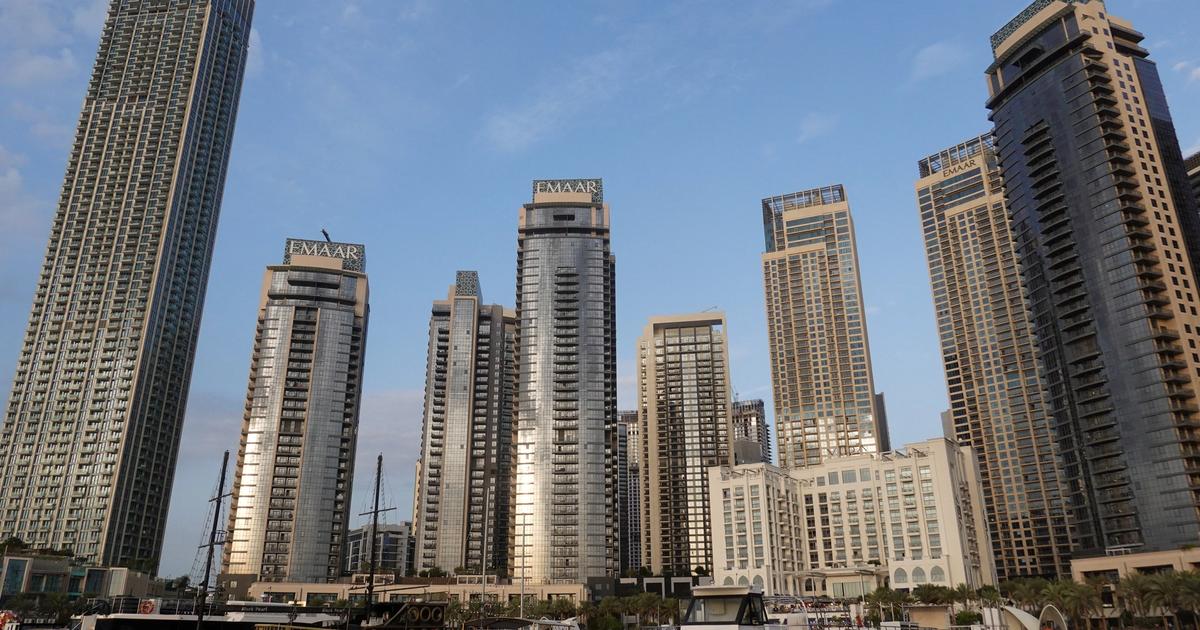
Dubai developers weather property market downturn
Emaar Properties, a key player in Dubai’s real estate landscape, has reported a significant 21% increase in revenue during the first half of the year. This notable growth comes despite a sharp decline in new property sales, which dropped by 42% due to fewer launches compared to the previous year. As the market grapples with these fluctuations, the implications for buyers, sellers, and developers are profound.
Market Trends and Sales Decline
Data from Dubai’s land registry reveals a concerning trend for the property market, with overall sales plummeting by nearly a third in the second quarter. While property prices surged nearly 70% in the five years leading up to recent geopolitical tensions, their increase has stagnated in the face of current challenges. Many sellers appear reluctant to reduce their asking prices, hoping for better offers, which contributes to a stalemate in the market.
The scenario mirrors past downturns, notably after the 2008 financial crisis when property values halved, and again from 2014 to 2020 when the market struggled to regain its footing. As the current situation unfolds against the backdrop of the ongoing US-Iran war, activity in the real estate sector has slowed. However, unlike past crises, price stability is being observed, indicating that sellers are more hesitant to accept lower offers.
Impact on Developers
Real estate developers are facing not only market reluctance but also operational hurdles. Arada, co-founded by the son of Saudi billionaire Prince Alwaleed bin Talal, reported a staggering 29% decrease in earnings. This drop was attributed partially to delays in construction materials connected to wartime disruptions. These logistical challenges complicate the already tough landscape for builders, forcing them to navigate both financial and supply chain issues.
The pressure on developers extends beyond immediate sales; it also involves building trust with potential buyers. As consumer confidence fluctuates in response to external factors, developers must work diligently to persuade buyers that now is the time to invest. Successful strategies may include introducing more attractive financing options or enhancing the value propositions of their properties to entice hesitant buyers.
Looking Ahead: Opportunities and Challenges
As the Dubai property market braces for what lies ahead, stakeholders are urged to consider both risks and opportunities. While the current sales figures paint a grim picture, there remains potential for growth, especially if developers can adapt to changing market conditions. Monitoring economic indicators and geopolitical developments will be critical in shaping future strategies.
In conclusion, the Dubai real estate market is experiencing a complex phase with mixed signals from revenue increases to declining sales. Emaar’s performance showcases both resilience and the inherent challenges within the sector. As the situation evolves, it will be essential for all involved—buyers, sellers, and developers—to stay informed and flexible to navigate through the uncertain waters of Dubai’s real estate landscape effectively.