
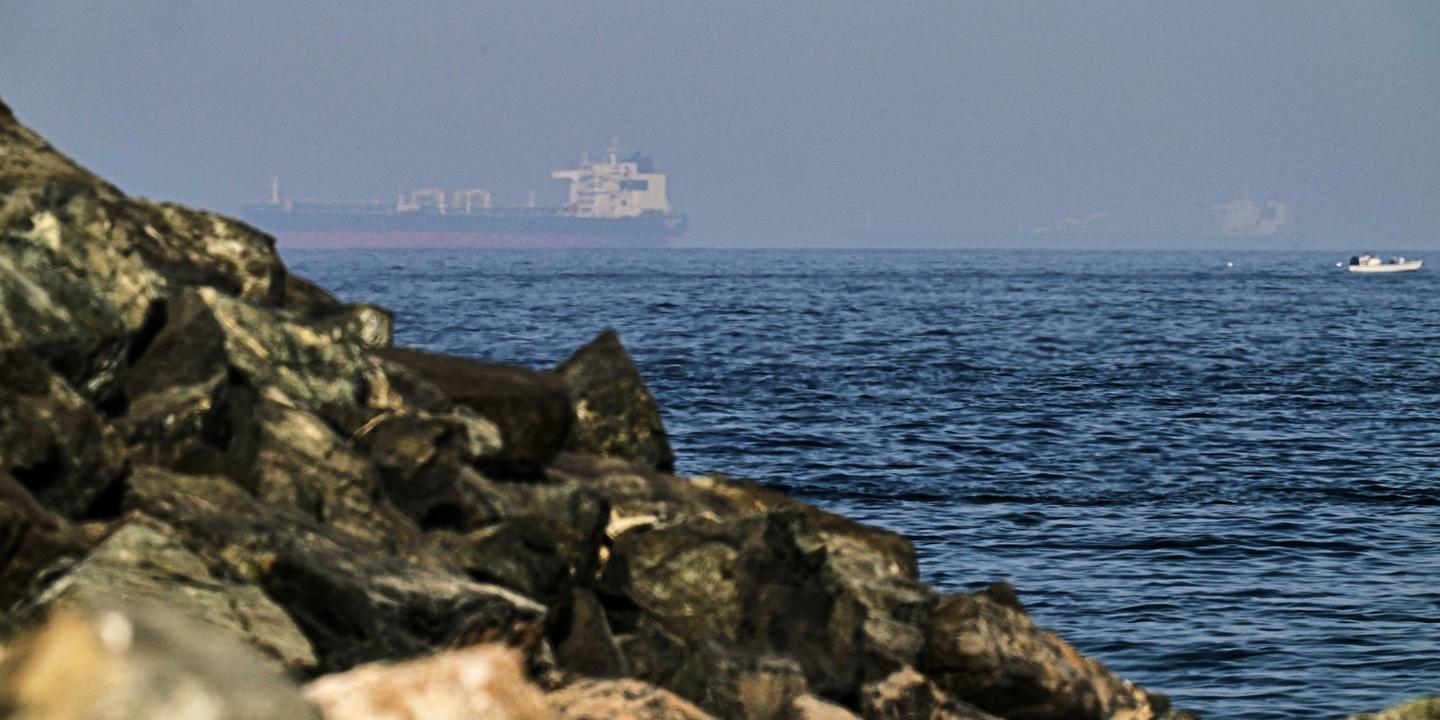
UAE suspends trade and finance with Iran following missile event.
On Tuesday, the United Arab Emirates (UAE) leveled accusations against Iran, alleging that two ballistic missiles were fired at shipping vessels in the Gulf. This incident marks a significant escalation in tensions, as it is the first time in several months that the UAE’s defense ministry has raised alarms about a missile threat directed at its territory. Iran, however, has firmly rejected these allegations.
Background of Increased Tensions
Geopolitical dynamics in the Gulf region have always been complicated, with various nations vying for influence. The relationship between the UAE and Iran has been particularly strained. Previous confrontations and differing stances on regional conflicts have often led to heightened military readiness on both sides. The UAE’s recent warning serves as a reminder of the underlying volatility that characterizes the area.
Furthermore, the Gulf has seen heightened activity from various military actors, leading to an atmosphere where accusations can quickly escalate into larger confrontations. The various factions at play make it crucial for nations to maintain vigilance, especially when missile technology is involved. The nature of the threat allegedly posed by Iran has the potential to disrupt maritime security and elevate regional tensions further.
Implications for Regional Security
This accusation from the UAE has significant implications for maritime security in the Gulf. With commercial and oil shipping channels being vital to global trade, any disruption could lead to wider economic repercussions. Shipping lanes in this region are already icy due to earlier confrontations and the ever-present risk of armed conflict. The potential for missile strikes makes conditions even more perilous for commercial vessels operating in these waters.
Additionally, the situation feeds into larger regional narratives, affecting alliances and partnerships. Countries that rely heavily on Gulf services for trade may reconsider their relationships with nations involved in increasing military hostility. The UAE’s claims could therefore have a cascading impact on international diplomatic ties, urging many to reassess their positions regarding maritime security.
The Global Response to Regional Conflicts
The recent allegations against Iran have not gone unnoticed on the global stage. Various nations, particularly those with vested interests in maintaining peace and stability in the Gulf, are closely monitoring the situation. Increased global scrutiny may lead to diplomatic discussions aimed at de-escalating tensions.
Moreover, international organizations may step in, calling for dialogues between the UAE and Iran to prevent any further escalations. The world is well aware that any military engagements in the Gulf could not only impact the regional players but also have cascading effects on international security, trade, and economic stability.
Conclusion
As the narrative unfolds, the international community must pay close attention to developments in the Gulf. The allegations made by the UAE raise critical concerns regarding missile threats and maritime security in this vital region. While Iran has denied these claims, the potential for conflict remains a pressing issue. Whether through diplomatic channels or increasing military readiness, a balanced approach will be essential to ensure safety and stability in the Gulf moving forward.