
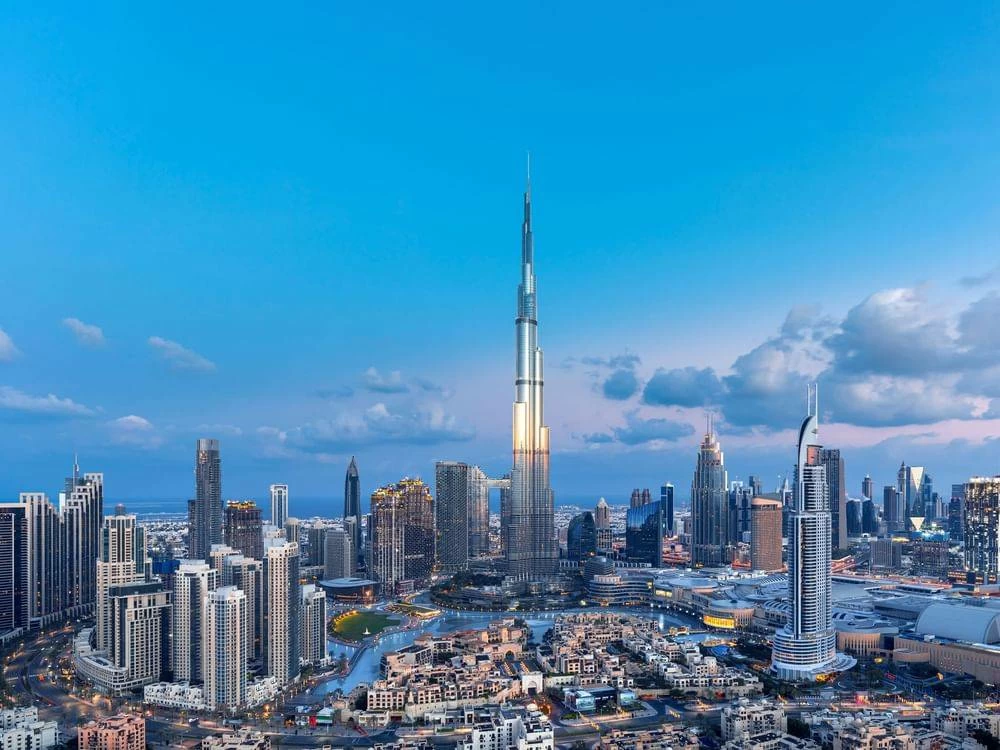
Dubai’s GDP Hits AED 473 Billion in H1 2026 Amid Sector Growth
The first half of 2026 has witnessed a remarkable expansion in strategic sectors within Dubai, highlighting the city’s economic diversity and resilience amid evolving global market conditions. This growth is indicative of Dubai’s ability to adapt and thrive in a dynamic landscape, making it a focal point for investment and innovation.
Growth in Key Strategic Sectors
Dubai’s economic landscape has seen significant growth across various strategic sectors. Notably, the financial and insurance industries have emerged as frontrunners, demonstrating robust performance and attracting both local and foreign investment. This sector’s expansion not only contributes to the GDP but also strengthens Dubai’s position as a global financial hub, offering a plethora of services and expertise. The insurance segment, specifically, has seen innovative product offerings and a surge in digital adoption, further cementing its relevance in today’s economy.
The human health and social work sector has also shown remarkable growth, spurred by increased demand for healthcare services and advancements in medical technologies. As Dubai continues to position itself as a leading healthcare destination, investments in hospitals and wellness centers are anticipated to rise. The integration of technology in healthcare delivery systems has revolutionized patient care, making it more efficient and accessible. This sector’s resilience in the face of global health challenges underlines its critical role in the economic framework.
Technological Advancements in Information and Communication
The information and communication technology (ICT) sector has made significant strides, driven by rapid digital transformation and innovation. With a strong focus on becoming a smart city, Dubai has implemented various initiatives that enhance connectivity, streamline services, and improve overall user experience. The rise of startups in the tech domain has fostered a culture of entrepreneurship and innovation, contributing to job creation and economic diversification. As a result, the ICT sector is not just a facilitator of growth but a vital driver of Dubai’s economic future.
Construction has also been pivotal in Dubai’s economic rejuvenation, particularly with infrastructural projects and real estate developments. Major investments in infrastructure, hospitality, and residential projects are setting the stage for continued growth in this sector. The momentum generated by upcoming events and global exhibitions is likely to further stimulate construction activities, attracting international firms and creating a competitive landscape.
Resilience Amid Global Economic Changes
Dubai’s ability to thrive amid changing global economic conditions speaks volumes about its resilience and adaptability. The ongoing diversification of its economy is essential in mitigating risks associated with reliance on specific sectors. By fostering development across various industries, Dubai is building a robust economic framework that can withstand fluctuations in the global market. This approach emphasizes the importance of strategic planning and sustainable practices in ensuring long-term prosperity.
As we move forward, it is critical for stakeholders to remain vigilant and responsive to global trends. Continuous investments in emerging sectors and innovation will be key in maintaining Dubai’s competitive edge. The collaborative efforts of the government, private sector, and academia will further bolster the city’s economic trajectory, paving the way for future growth and stability.
In conclusion, the first half of 2026 has not only showcased Dubai’s economic resilience but also its potential for sustained growth across strategic sectors. The concerted efforts to diversify and enhance key industries will ensure that Dubai remains a thriving hub for business and innovation in the years to come.