
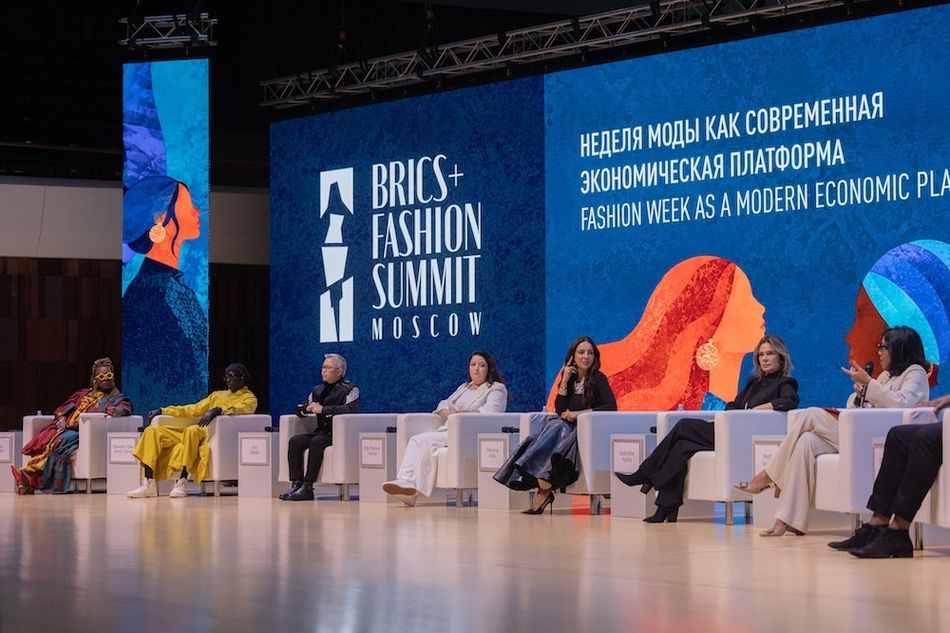
Dubai Culture Showcases Fashion’s Economic Influence at BRICS+ Summit
The recent conclusion of the BRICS+ Fashion Summit in Moscow marks a significant milestone for the fashion industry, particularly among fast-growing economies. This international gathering attracted representatives from over 60 countries, including key players from manufacturers, retailers, investors, and fashion associations across Asia, Africa, Latin America, Europe, and the Middle East. The summit serves as a vital platform for businesses aiming to expand into emerging markets, allowing participants to forge meaningful connections with potential partners, suppliers, and buyers.
Bridging Cultural and Economic Gaps
For countries in the Middle East, characterized by rich cultural heritage and rapidly developing markets, discussions on fashion’s economic impact are particularly essential. At the summit, Khulood Khoory, director at Dubai Culture & Arts Authority, emphasized that to accurately assess fashion’s role, it’s crucial to examine not just retail, but also manufacturing and logistics. This comprehensive approach helps highlight the industry’s full economic potential and underscores the necessity for supportive measures.
Khoory also showcased Dubai’s best practices, noting that an effective collaboration between the public and private sectors is vital for nurturing the fashion ecosystem. The establishment of creative hubs like the Dubai Design District and Al Quoz Creative Zone, in conjunction with events such as Dubai Fashion Week, helps to cultivate innovation. Furthermore, initiatives like ten-year Golden Visas for creatives provide incentives to attract and retain talent, ensuring that the city remains a nurturing ground for designers.
Harnessing Heritage for Modern Design
Senan Kamel from Iraq’s Baghdad Organization for Arts and Culture discussed the importance of leveraging cultural heritage for modern product design. He proposed that traditional crafts such as hand weaving and intricate embroidery can synergize with cutting-edge technology like artificial intelligence, leading to a manufacturing sector steeped in national craftsmanship. Kamel advocates for these cultural techniques as instruments of soft power, enhancing economic independence within BRICS+ nations.
In Lebanon, organizations like Creative Space Beirut are working tirelessly to empower new designers through accessible professional education. Waleed Jarjouhi, an advisor at the Creative Space, highlighted the importance of understanding varied career paths for graduates. He remarked that career flexibility is crucial in today’s fashion landscape, as designers often transition between roles in fashion houses, independent ventures, and educational settings.
The Lasting Impact of Fashion Weeks
Shirene Rifai, founder of Jordan Fashion Week, shared insights on the economic significance of fashion weeks. These events do not merely convene industry stakeholders; they help forge enduring business relationships, create job opportunities, and stimulate tourism. Rifai has been a regular participant at the summit for four years, emphasizing the transformative nature of such experiences that influence strategic industry thinking long after the events conclude.
The BRICS+ Fashion Summit distinguishes itself by addressing the unique challenges faced by fast-growing economies. By fostering connections among dynamic markets, the summit significantly accelerates progress toward tangible outcomes. Such dedicated focus positions Moscow as a pivotal meeting point for visionaries shaping the future of the global fashion industry. The insights and collaborations formed during this summit are expected to resonate throughout the industry, supporting and prioritizing innovation, sustainability, and inclusivity.
In conclusion, the BRICS+ Fashion Summit has proven to be a vital platform that not only showcases the potential of fast-growing economies but also highlights the importance of cultural heritage, collaboration, and education in shaping a robust future for the fashion industry.