
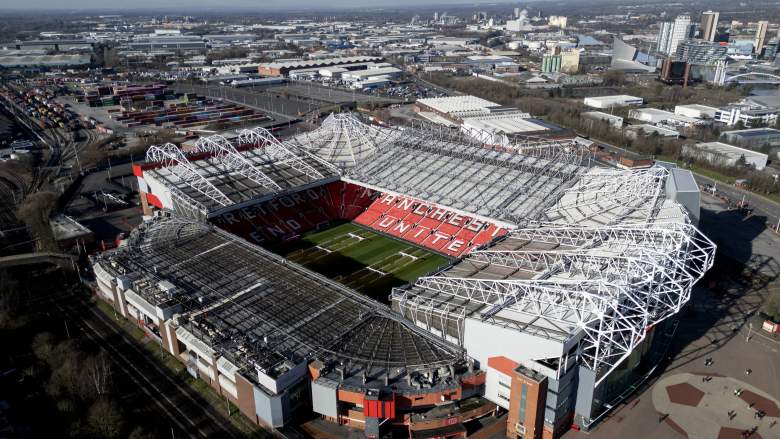
Dubai Tycoon’s Hidden Strategy for Manchester United: Revamping Old Trafford
As Manchester United continues to face challenges both on and off the pitch, a potential shift in ownership has emerged that could reshape the future of the iconic club. Amid scrutiny related to performance and management, Dubai real estate mogul Hussain Sajwani has garnered attention for his rumored interest in acquiring a stake in Manchester United, raising questions about what such a move could mean for the club’s trajectory.
Hussain Sajwani’s Interest in Manchester United
Recent reports have positioned Sajwani, the founder of DAMAC Properties and a billionaire with an estimated fortune of $15.3 billion, as a key figure in ongoing discussions about the Glazer family’s ownership stakes. After more than 20 years since their controversial takeover, some members of the Glazer family are reportedly reconsidering their ownership strategy, particularly regarding the possibility of selling part or all of their remaining shares. Currently, the Glazers control 67.9% of the voting rights through Class B shares, while Sir Jim Ratcliffe’s INEOS owns 28.9% and manages football operations. Although no formal bid from Sajwani has been announced, these discussions suggest a potentially transformative period for Manchester United.
The timing of these rumors coincides with a challenging season for United, further fueling speculation about the club’s future. After a disappointing 1-1 draw against Fulham, Michael Carrick faces mounting pressure as manager, amplifying the urgency for change. Internal discussions within the Glazer family may open avenues that were previously unavailable during the 2023-24 ownership negotiations, indicating a possible willingness to entertain new investment.
A Real Estate Perspective on Sports Ownership
What sets Sajwani apart from other potential investors is his extensive background in real estate rather than traditional sports management. Since founding DAMAC in 1982, he has been involved primarily in large-scale luxury developments, showcasing a knack for creating mixed-use projects that incorporate residential, commercial, and leisure spaces. This expertise could be invaluable for addressing some of Manchester United’s most pressing challenges, particularly the need for stadium renovation and revitalization of the surrounding area.
While traditional sports owners often focus solely on athletic performance, Sajwani’s emphasis on infrastructure could mean a transformation of Old Trafford into a modern facility, paired with an integrated commercial district. This approach could ultimately enhance the fan experience and secure additional revenue streams, positioning the club for long-term success both on and off the field.
Private Investment and Its Implications
Unlike Sheikh Jassim’s previous bid for a full buyout or the Saudi Public Investment Fund’s involvement with Newcastle, Sajwani’s potential investment represents private capital from the UAE. This distinction may ease regulatory scrutiny from the Premier League and alleviate fan concerns, as private developers are often perceived as less politically motivated than sovereign wealth funds. However, any serious investment would still navigate complex governance structures established during the INEOS transaction.
Financial realities also play a crucial role in this scenario. While Sajwani boasts a significant fortune, a full multibillion-pound acquisition of the Glazers’ stake is not straightforward, particularly without seeking partners or leveraging additional financing options. It’s more plausible that Sajwani would aim for a substantial minority stake or a collaboration focused on stadium development.
In conclusion, while the narrative surrounding Manchester United’s ownership remains filled with speculation, Hussain Sajwani’s potential involvement introduces new dynamics. If the Glazers choose to consider offers seriously, an investor with strong real estate credentials and unique U.S. commercial connections could pave the way for substantive change at Manchester United. This situation promises to evolve, potentially transforming discussions around Old Trafford from mere speculation into actionable plans for the club’s future.