
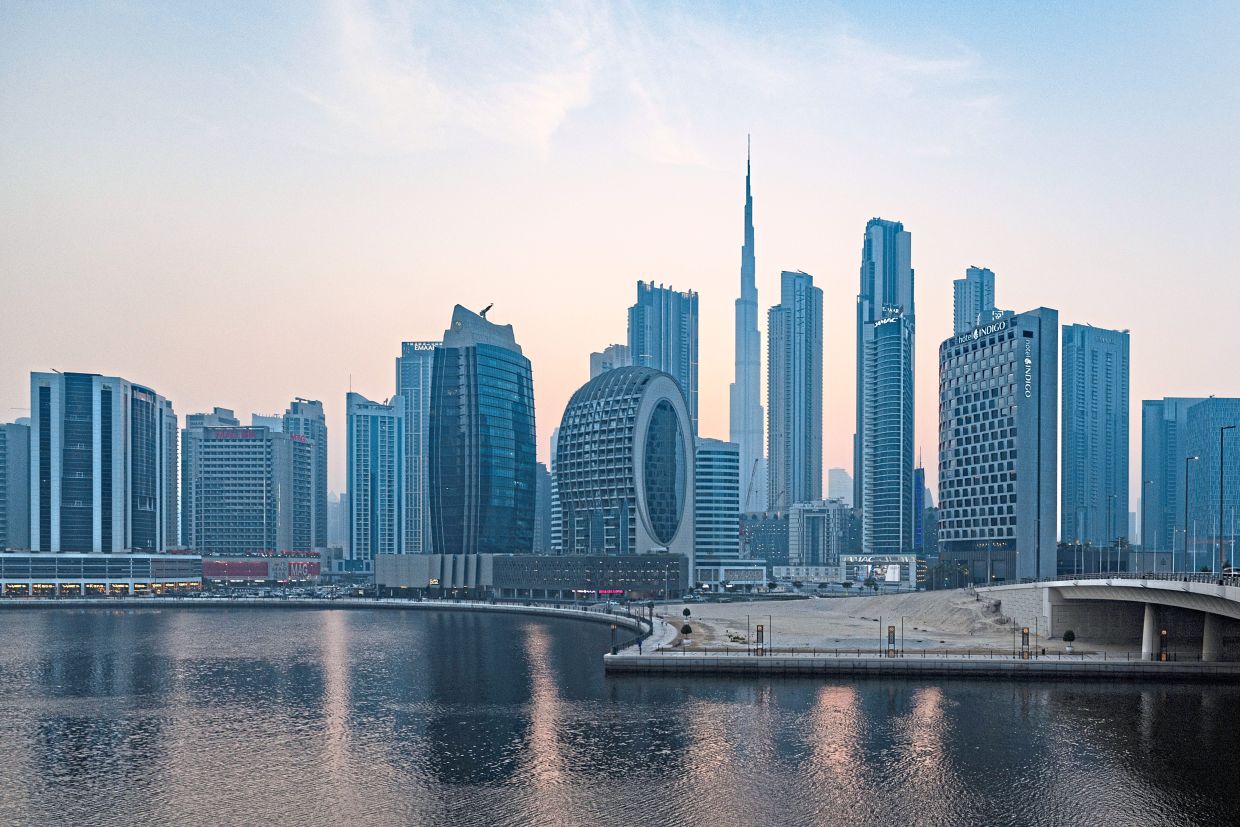
Malaysian Companies Encouraged to Explore Dubai for Middle East and Africa Access
Malaysian companies are being urged to view Dubai as a pivotal entry point to access markets in the Middle East, Africa, and Europe. With its advantageous location, robust logistics infrastructure, and favorable business environment, Dubai serves as an optimal hub for international expansion, according to officials from Dubai Chambers.
Support for Malaysian Businesses
Malcolm Leoi, the chief representative of Dubai Chambers in Singapore, who also oversees Malaysia and Brunei, emphasized the agency’s readiness to assist Malaysian firms looking to set up operations in Dubai. He highlighted various support services, including conducting market research, facilitating introductions to local partners, and navigating administrative procedures. Services offered also encompass company licensing, opening bank accounts, and the relocation of executives, ensuring a smoother transition into Dubai’s market.
Leoi pointed out Dubai’s strategic position at the crossroads of key international trade routes, enabling unmatched global connectivity. This location places the emirate at the epicenter of the broader Middle East, Africa, and Europe, making it an attractive destination for international business. During the Yalla Commerce Global E-Commerce Summit 2026, Leoi noted that Dubai International Airport saw a remarkable increase, with 95.2 million passengers recorded in 2025, reflecting a 3.1% rise year-on-year.
Attracting Foreign Investment
In addition to its connectivity, Dubai has consistently ranked as a leading destination for greenfield foreign direct investment (FDI) projects. In the first half of 2025 alone, the emirate attracted around $11 billion in FDI capital. This business-friendly environment permits foreign investors to retain 100% ownership of companies across numerous sectors, whether they choose to establish their operations on the Dubai mainland or within specialized free trade zones.
Under the ambitious Dubai Economic Agenda D33, the emirate aims to double its economic size by 2033 while increasing its foreign trade and adding new trading partners. Leoi underscored the importance of Southeast Asia in achieving these aspirations, signifying a strategic interest in fostering partnerships within this region.
Opportunities in Digital Commerce
Yalla Commerce’s CEO, Arfa Hussain, shared insights into the burgeoning digital commerce potential between Malaysia and the United Arab Emirates (UAE). She noted that the Comprehensive Economic Partnership Agreement (CEPA), established between Malaysia and the UAE last year, lays a solid foundation for enhancing commercial ties. According to Hussain, Yalla Commerce aims to translate this momentum into tangible business opportunities.
She emphasized Malaysia’s established e-commerce ecosystem and its strategic position within the ASEAN region, which complements the UAE’s status as an internationally connected commercial hub. This collaboration could foster a robust digital commerce corridor, benefiting both nations significantly.
The Yalla Commerce Summit, backed by the Malaysia External Trade Development Corporation (MATRADE) and the Malaysia Digital Economy Corporation (MDEC), gathered over 1,000 participants, including 40 partners and 20 speakers. Together, they explored pathways for Malaysian businesses to enter the UAE market and the broader Gulf region, marking a vital step toward enhanced international collaboration.