
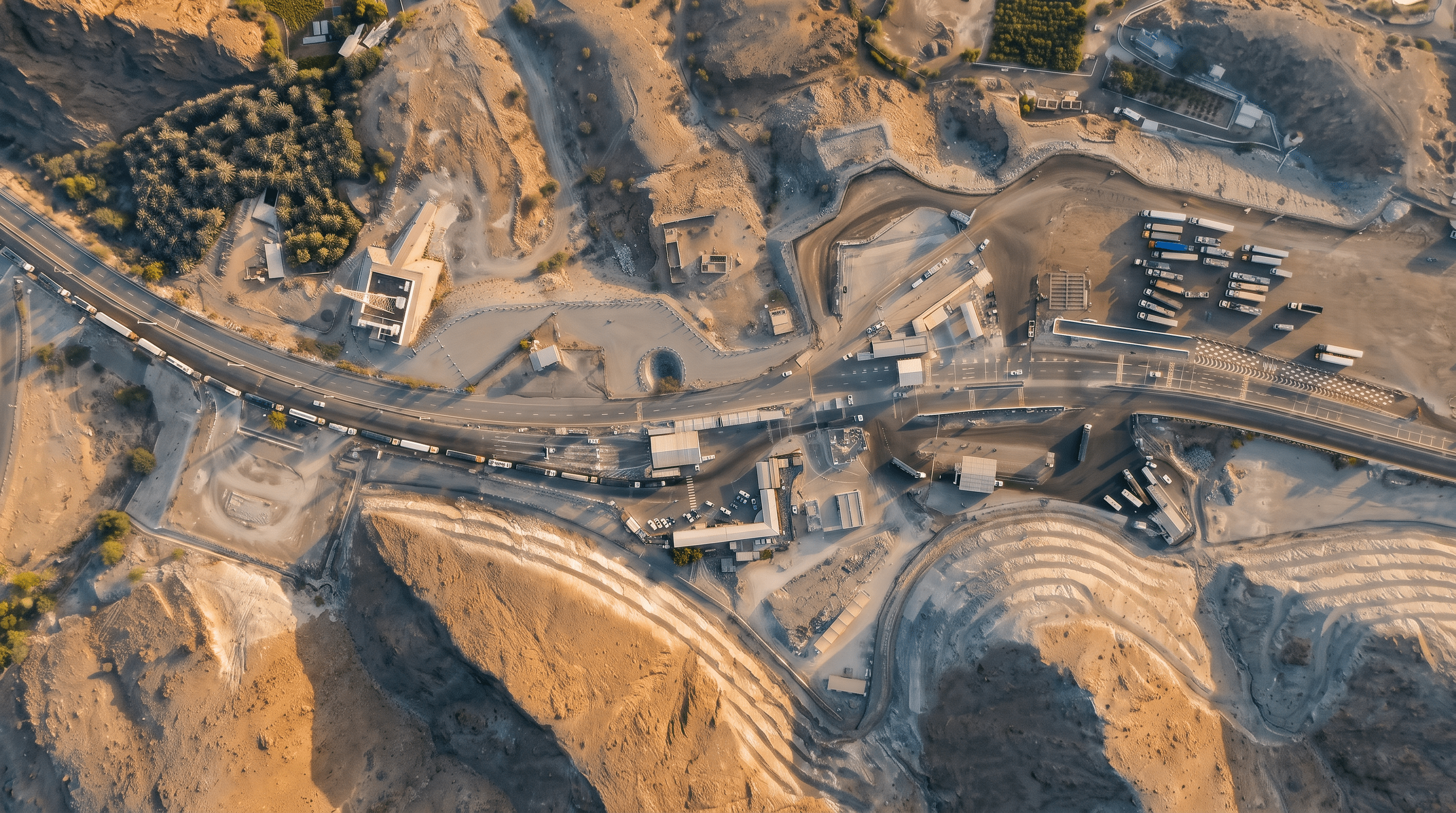
Hatta Trade Experiences 175% Growth in First Half of 2026
Dubai’s Hatta Customs Crossing has demonstrated remarkable operational success in the first half of 2026. This achievement not only underscores the emirate’s resilience but also reinforces its position as a global hub for trade and investment. Under the guidance of visionary leadership, Dubai has built a robust framework of economic adaptability, government efficiency, and strategic planning. These attributes are pivotal in driving the objectives outlined in the Dubai Economic Agenda D33, aiming to double the city’s economy and solidify its standing as one of the world’s top three urban economies.
Significant Growth in Trade Volumes
In an era where global trade dynamics are rapidly changing, the Hatta Customs Crossing has excelled in facilitating trade. The total trade value recorded through this gateway exceeded AED37.08 billion, marking an impressive 175% increase from AED13.48 billion during the same time frame a year earlier. This surge showcases Dubai’s ability to adapt to shifts in regional trade movements and transform challenges into economic opportunities, further enhancing its role as a vital conduit for overland trade between the Arab region and the rest of the world.
Such growth is not limited to trade volume. The number of loaded trucks crossing the Hatta Customs increased by 160.1%, reaching 108,811 from 41,831 in the previous year. This significant uptick in transport activity not only underscores the burgeoning trade flows through the crossing but also illustrates its essential contribution to overland commerce. Furthermore, the crossing facilitated the movement of approximately 919,000 travelers and 322,000 light vehicles in the same period, meeting the growing demand for cross-border connectivity within the region.
Proactive Strategies for Trade Efficiency
His Excellency Abdulla bin Damithan, Chairman of the Ports, Customs, and Free Zone Corporation, highlighted the importance of adaptability in today’s volatile trade environment. As trade routes are constantly evolving, Dubai’s commitment to ensuring the seamless operation of supply chains remains critical. The emirate’s strategic policies and integrated systems are designed to be responsive to these changes, thereby instilling confidence among investors and stakeholders alike.
Initiatives like the ‘Green Corridor’ have been pivotal in facilitating this trade continuity. By implementing a range of logistical measures, Dubai Customs has not only attracted new trade flows but also enhanced the overall efficiency of the Hatta Crossing. Additionally, the expansion of logistics service providers has intensified market competition, which further contributes to a more vibrant and competitive business ecosystem.
Innovation and Security in Supply Chains
Dubai Customs has taken significant strides in adopting smart technologies to fortify its supply chain security. The implementation of the ‘Shahin’ smart electronic seal system has enabled the tracking and protection of shipments without imposing extra fees, thereby minimizing operational risks while enhancing reliability. His Excellency Dr. Abdulla Busenad, Director General of Dubai Customs, emphasized that a competitive global trade hub must not only rely on its geographic advantages but also on an integrated and responsive system.
Reflecting this approach, Hatta Customs utilized 7,870 electronic seals for trucks in the first half of 2026, showcasing the increasing reliance on technology to bolster the security and efficiency of trade operations. By employing such innovative methodologies, Dubai is not just navigating the challenges presented by global shifts; it is actively shaping the future landscape of trade and logistics.
Overall, the activities at Hatta Customs reveal not only the operational excellence of Dubai Customs but also its overarching commitment to maintaining trade continuity, ensuring supply chain security, and fostering an environment conducive to economic growth. As geo-economic dynamics evolve, Dubai’s strategic initiatives position it to lead in the ever-changing arena of global commerce, effectively turning potential hurdles into opportunities for sustainable development.