
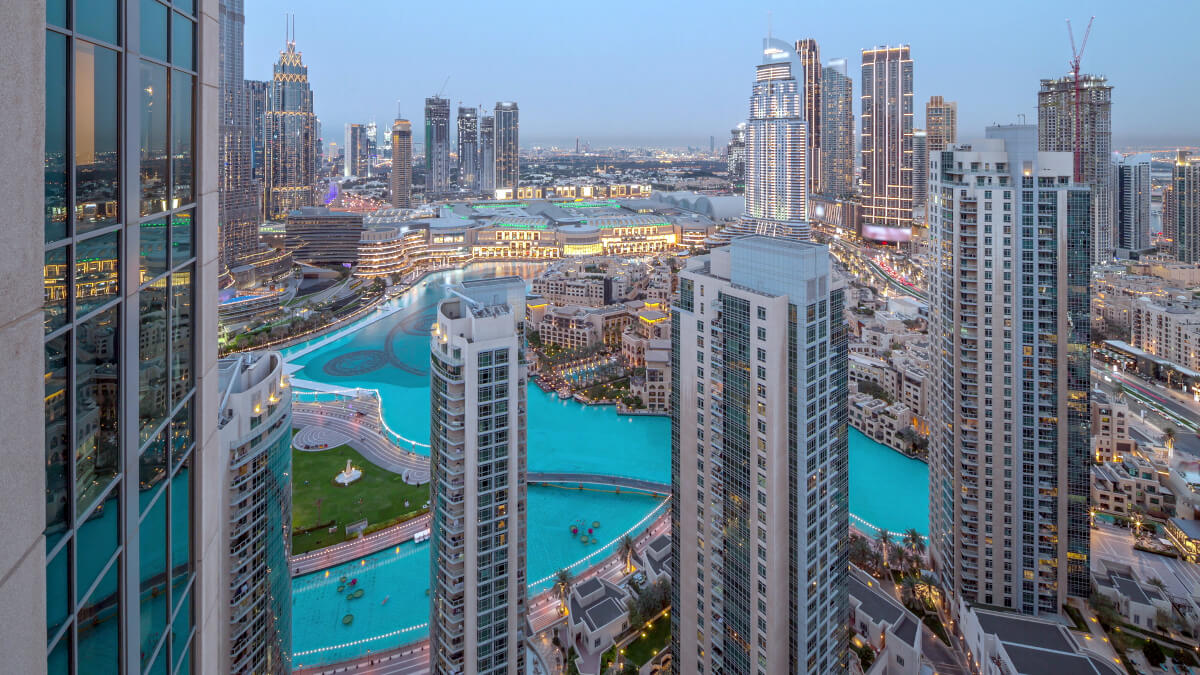
UAE and Saudi Arabia: Top Corporate Travel Spots for 2025
The Middle East has emerged as a prominent hub for corporate travel, experiencing a substantial increase in revenue over the past year. This region, rich in culture and innovation, offers a unique blend of business opportunities that cater to various industries. As corporations increasingly recognize the potential of this market, it becomes essential to explore why the Middle East is rapidly becoming a favored destination for corporate travelers.
The Rise of Corporate Travel in the Middle East
In recent years, the Middle East has seen a remarkable surge in corporate travel activities. Major cities like Dubai, Abu Dhabi, and Riyadh have positioned themselves as key players on the global business stage. This growth can be attributed to several factors, including extensive investment in infrastructure, a favorable business climate, and a commitment to diversifying economies. By creating world-class venues for meetings, conferences, and exhibitions, these cities have established themselves as prime locations for multinational companies seeking to expand their reach.
Infrastructure and Connectivity
One of the driving forces behind the rise of corporate travel in this region is the state-of-the-art infrastructure. International airports, luxury hotels, and modern transportation systems are crucial in ensuring that business travelers enjoy a seamless experience. Dubai International Airport, for example, consistently ranks among the busiest airports globally, providing easy access to destinations across the globe. Furthermore, improvements in local transportation, such as the development of metro lines and ride-sharing services, allow for efficient movement within cities. This infrastructure not only enhances the travel experience but also assures companies that their employees can navigate the area with minimal disruptions.
Cultural Appeal and Networking Opportunities
Another factor contributing to the Middle East’s attractiveness for corporate travel is its rich cultural landscape. The region offers a unique environment where tradition meets modernity, providing a setting ripe for networking and collaboration. Business events often embrace local culture, allowing participants to engage with local customs and cuisine, thereby enhancing their overall experience. Conferences and exhibitions held in the Middle East frequently attract a diverse range of international attendees, offering unparalleled networking opportunities. This cultural appeal not only enriches the business experience but also fosters long-lasting professional relationships among attendees.
Challenges and Considerations
While the Middle East presents immense opportunities for corporate travel, it is essential to recognize potential challenges. Familiarizing oneself with local customs, business etiquette, and legal regulations can be daunting for first-time visitors. Companies must invest time in educating their employees on cultural sensitivities to ensure smooth interactions. Additionally, geopolitical instability in certain areas can also affect travel plans, making it vital for businesses to stay informed about regional dynamics. Awareness of these challenges can help organizations navigate the landscape effectively and ensure successful outcomes.
In conclusion, the Middle East stands out as an evolving hotspot for corporate travel. With its extensive infrastructure, vibrant culture, and numerous networking opportunities, the region is quickly becoming a preferred choice for businesses aiming to thrive in the global marketplace. By understanding both the advantages and challenges associated with corporate travel in the Middle East, is better equipped to make informed decisions that can lead to successful business ventures.