
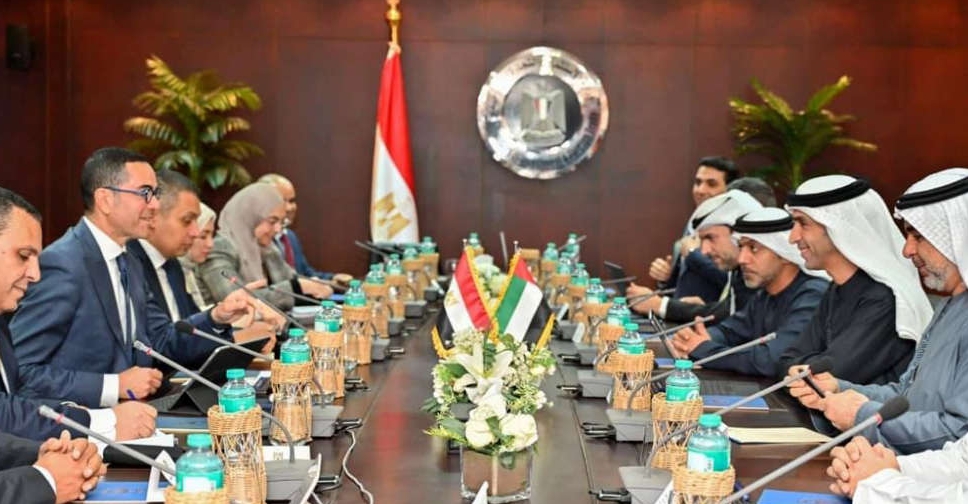
UAE Heads Delegation to Egypt for CEPA Talks
Dr. Thani bin Ahmed Al Zeyoudi, the Minister of Foreign Trade for the UAE, is currently spearheading a significant governmental delegation to Egypt. This visit aims to advance negotiations for a Comprehensive Economic Partnership Agreement (CEPA) between the UAE and Egypt, an initiative that could greatly enhance trade relations and economic collaboration.
Importance of CEPA Between UAE and Egypt
A Comprehensive Economic Partnership Agreement serves as a robust framework for strengthening economic ties. The UAE and Egypt have historically shared strong bilateral relations, and a CEPA could further unlock potential trade opportunities between the two nations. This agreement is expected to facilitate trade in goods and services, promote investment flows, and foster cooperation in various sectors, including technology, infrastructure, and agriculture.
The focus on a CEPA highlights the urgency for both nations to diversify their economies in a rapidly evolving global market. By formalizing their economic relationship, the UAE and Egypt can tackle emerging challenges and leverage their respective strengths. This partnership could also act as a model for other Arab countries seeking to establish comprehensive economic agreements, making it a pivotal development in the region.
Strategic Economic Cooperation
The UAE delegation’s visit aims not only to discuss trade agreements but also to explore avenues for deeper strategic cooperation. The discussions may include investment in key sectors such as renewable energy, tourism, and technology transfer, reflecting the priorities of both nations. Given the UAE’s advanced infrastructure and Egypt’s vast labor force, there is significant potential for collaboration that goes beyond traditional trade.
By aligning their economic strategies, both countries can benefit from mutual growth opportunities. For instance, the UAE’s investment in Egyptian projects could lead to job creation and technology enhancement, which are critical in a region striving for sustainable development. The shared goal of fostering innovation is likely to play a crucial role in the upcoming negotiations.
Prospects for Future Growth
The ongoing negotiations for the CEPA mark a crucial step toward deepening economic ties and building a more integrated regional economy. The potential outcomes include reduced tariffs, more accessible markets, and improved trade facilitation, which could significantly boost trade volumes between the UAE and Egypt. Analysts believe that such agreements can contribute substantially to GDP growth in both nations, creating a more resilient economic landscape.
Moreover, as countries face challenges like climate change and economic disruptions, partnerships like the one between the UAE and Egypt could offer a pathway to collective resilience. With a shared vision for sustainable development and economic prosperity, both nations are well-poised for future growth.
As Dr. Thani bin Ahmed Al Zeyoudi leads the UAE delegation in talks, the focus will be on crafting a mutually beneficial agreement that fosters not only economic advancement but also strengthens ties in various sectors. This collaboration holds immense promise for elevating the partnerships to new heights, demonstrating the importance of such agreements in today’s interconnected world.
In conclusion, the successful negotiation of a Comprehensive Economic Partnership Agreement between the UAE and Egypt could pave the way for enhanced economic cooperation and growth opportunities, solidifying their status as key players in the regional economy.