
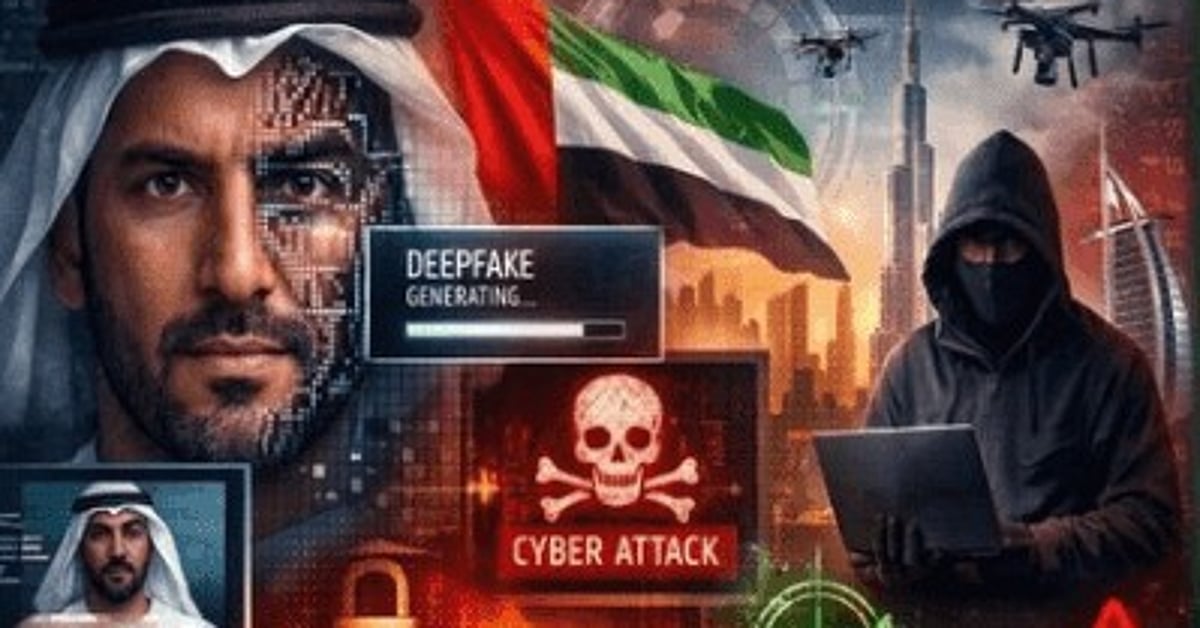
Dubai Police alert on deepfake risks to online safety.
In today’s digital landscape, distinguishing fact from fiction has become increasingly complicated. The rise of advanced technology and social media has made it easier than ever for misinformation to spread, challenging our ability to trust our own senses. Various stakeholders, from individuals to governments, must confront the repercussions of a world where seeing may no longer equate to believing.
When Seeing Is No Longer Believing
The notion of “seeing is believing” has been a core principle of human cognition. However, with the advent of deepfakes and manipulated visuals, this principle is under siege. We are witnessing a time when photographs and videos can be so convincingly altered that discerning reality from fabrication is nearly impossible. This deterioration of visual trust is concerning, as it threatens not only personal relationships but also the way we perceive critical information—especially in areas like politics, health, and security.
Misinformation Among Top Global Risks
Misinformation is ranked among the most pressing risks facing the global community today. Various studies indicate that false information can significantly influence public opinion and decision-making, leading to harmful consequences. In the realm of public health, for instance, misinformation surrounding vaccines has contributed to widespread hesitancy, undermining efforts to combat diseases. As we navigate this intricate landscape, it becomes crucial to understand how misinformation can disrupt social cohesion and trust in institutions.
A New Challenge: Proving What Is Real
The challenge of proving authenticity is growing. As technologies such as artificial intelligence become more sophisticated, so too do the methods used to create convincing forgeries. The rise of generative AI tools means that it’s not just professional manipulators who can forge content, but virtually anyone with access to technology. Consequently, establishing credibility has transformed into a rigorous endeavor that requires a combination of technological innovation and critical thinking skills. The need to implement verification methods and protocols has never been more urgent to uphold truthful discourse.
Using AI to Fight Digital Manipulation
In combating misinformation, technology can be a double-edged sword. On one hand, AI can be used to produce misleading content; on the other, it offers powerful tools to detect and counteract digital deception. AI-driven algorithms can analyze vast amounts of data to flag suspicious content, identify patterns of misinformation, and help verify sources. By harnessing the capabilities of machine learning, organizations can create systems designed to enhance content authenticity and mitigate the effects of deceptive practices.
Public Awareness and Digital Skills
Raising public awareness and enhancing digital literacy are essential steps in tackling the misinformation crisis. Individuals must be equipped with the necessary skills to critically evaluate the information they encounter online. Educational programs aimed at improving digital literacy can empower users to question the credibility of various sources and discern factual information from misleading content. Weaving these skills into the fabric of our educational systems can cultivate a generation equipped to navigate the complexities of the digital age.
Preparing for a More Secure Digital Future
As we move forward, a multi-faceted approach is needed to foster a secure digital environment. Collaboration among governments, tech companies, and educational institutions is critical in developing strategies to combat misinformation. By promoting transparency, investing in advanced technologies, and advocating for media literacy, we can create a more resilient society. The future hinges on our ability to adapt and innovate, ensuring that truth and authenticity prevail in the face of growing digital challenges.