
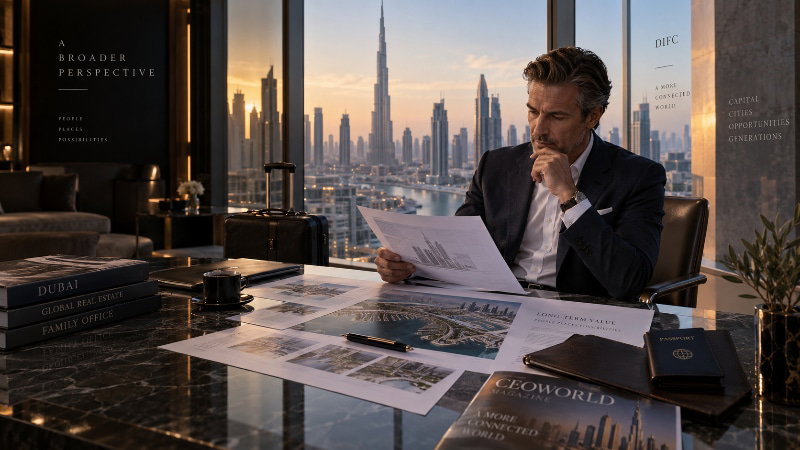
Dubai Real Estate Investment in 2026: The Shift from Speed to Selectivity.
Dubai’s property investment landscape is shifting, moving away from previous trends of rapid growth to a more deliberate and discerning approach. The remarkable activity seen in 2025 has transitioned into a more nuanced market characterized by fluctuating prices, varying transaction volumes, and heightened scrutiny of both developers and the benefits of residency. For investors looking globally, the question has shifted from whether Dubai is a viable option to exploring the specific role it can play in their portfolios.
The Transition from Momentum to Merit
As we venture into 2026, it’s clear that the Dubai property market is entering a new chapter. While the emirate remains a key player in attracting global capital, the fast-paced momentum seen earlier is giving way to a period of merit-based decision-making. The confidence remains, but investors are now taking a more asset-specific stance, carefully weighing their options rather than relying on overall market trends.
The striking figures from 2025 illustrate the market’s previous vibrancy, with over 205,000 residential transactions worth AED 544.2 billion. However, the subsequent quarter revealed a stark contrast, with a substantial decline in transactions indicating a market correction. Reports showed a 29% drop in transaction volume from the previous year, highlighting the need for more strategic thinking among potential buyers.
Additionally, CEOWORLD Magazine has termed this phase the “Momentum-to-Merit Rotation,” where the luxury of a broad market rise is replaced by the demand for careful asset selection. This signals that investors must now distinguish between high-potential assets and those that offer inferior returns, a tactic that was previously less critical when market averages were more forgiving.
Understanding Market Dynamics
The importance of distinguishing between a slowdown and a deeper market contraction is evident. While the average residential values showed a modest increase of 1.9% year-on-year, it’s crucial to recognize that different segments are experiencing varying degrees of success. For instance, villas have appreciated by 5.7%, whereas overall rents have taken a hit, declining by 2.6% year-on-year.
This variance is particularly noticeable at the community level. Areas like Palm Jumeirah, Business Bay, and Downtown Dubai saw significant quarterly price drops, whereas locations like DIFC maintained better stability. This suggests that a broad-brush approach to investing in Dubai is no longer viable; buyers must carefully evaluate specific properties and neighborhoods to maximize their investments.
Supply considerations add another layer to the dynamic. With approximately 18,000 new units completed in the first half of 2026, and a distinct decline in new launches, it’s essential for investors to scrutinize micro-market conditions rather than relying on general forecasts. As transaction speeds decrease, the emphasis on asset quality has never been more paramount.
The Importance of Residency Benefits
Residency remains a critical factor in Dubai’s investment appeal. Under the existing UAE Golden Visa program, real estate investors can obtain a renewable five-year residency by investing in properties worth at least AED 2 million. This residency offers significant advantages, such as continuity and flexibility for internationally mobile families. However, it should not be viewed as a fallback option for subpar investment returns.
The concept of the “Residency Optionality Premium” recognizes the added value of residency rights. Investors should calculate how much this premium can justify accepting lower returns, yet it should not mask weaknesses in rental yields or exit potential. The CEOWORLD Five-Lens Investment Test provides a robust framework for evaluating investment opportunities, emphasizing factors like asset economics and developer performance.
Future Considerations for Investors
With the evolving nature of Dubai’s real estate market, international mobility has transformed into a strategic portfolio decision. For business leaders and investors, determining how Dubai fits into a broader jurisdictional framework is crucial. Instead of relying on a singular jurisdiction for all needs, families and investors are now seeking ways to optimize various functions—whether that involves running a business, managing investments, or ensuring educational opportunities for children.
The ensuing months will be crucial in determining how Dubai’s market adapts to these changes. Investors should stay vigilant, analyzing transaction volumes, rental trends, and project delivery timelines to discern the market’s future trajectory. The next cycle of Dubai’s property market will largely reward those who prioritize informed decision-making over urgency, requiring a deeper level of scrutiny on each investment opportunity.