
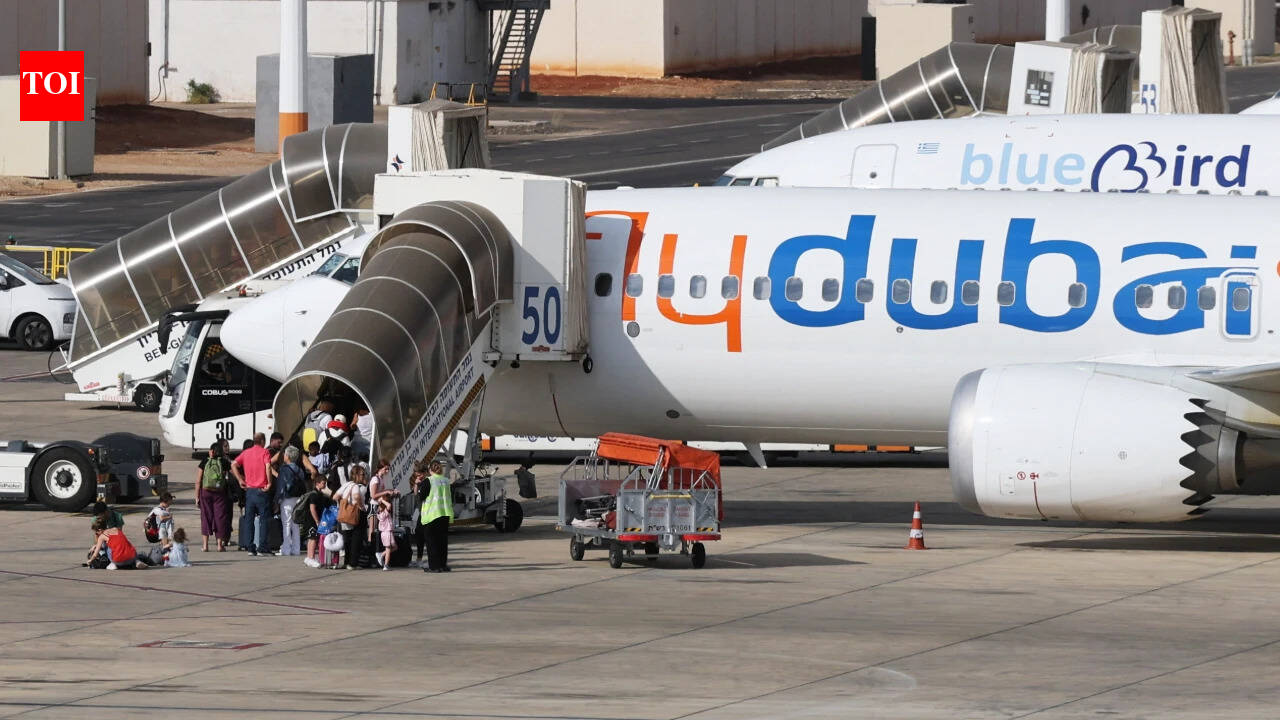
Captain Smit Machchhar’s Swift Action Saved 174 Lives
Introduction
A recent harrowing incident aboard Flydubai Flight FZ1073 showcased remarkable bravery and quick thinking in the face of peril. Captain Smit Machchhar’s determined actions not only ensured his own survival but also saved the lives of 174 passengers on board. This frightening event has sparked discussions on cockpit security and the underlying protocols that govern airline safety.
Incident Overview
Shortly after departing from Dubai, the flight, which was en route to Tel Aviv, faced a life-threatening crisis approximately two hours in. The aircraft began a rapid descent of 17,400 feet within less than two minutes, prompting an urgent distress call. In a dramatic turn of events, the wounded Captain Machchhar, despite being stabbed by his co-pilot, managed to open the cockpit door from the floor, enabling passengers to enter. As chaos ensued, several courageous travelers rushed in, subduing the assailant before he could inflict further damage. Eventually, a second crew, scheduled to take over the flight, landed the aircraft safely at Tabuk airport in Saudi Arabia.
Heroic Actions of Captain Machchhar
Jinit Shah, a family acquaintance and urologist from Mumbai, noted Captain Machchhar’s aptitude for swift decision-making. His extensive training as a pilot, along with his experience running a pilot academy, likely contributed to his calmness under pressure. “Because of muscle memory, he might have been able to handle the situation even after being stabbed,” Shah remarked, underscoring the captain’s professionalism amidst crisis. This ability to act decisively in dire circumstances exemplifies the critical training that pilots undergo to manage emergencies effectively.
Implications for Cockpit Security
This troubling incident has reignited discussions surrounding cockpit security protocols. Following the attacks on September 11, 2001, cockpit doors were reinforced to prevent unauthorized access. However, the current security measures prompt questions about the effective management of crew member access. While new regulations require a secondary barrier for cockpit doors, the underlying issue remains—the inherent trust placed in pilots operating aircraft. In cases where a crew member intends to commit a crime, they may possess the means to bypass security measures.
Ongoing Investigation and Wider Implications
Authorities are investigating the incident as a potential terrorist attack. The alleged assailant, an Omani national, is currently in Saudi custody. His motives are unclear, although reports suggest he showcased rigid religious behavior. Compounding the situation is the scrutiny of how he was permitted to operate a flight destined for Israel, given the lack of diplomatic relations between Oman and Israel.
Despite the chaos, Captain Machchhar has been declared stable in the hospital, thanks to prompt medical intervention. Israeli Prime Minister Benjamin Netanyahu acknowledged the captain’s crucial role in safeguarding the lives of everyone aboard, emphasizing the need for stringent safety measures in the aviation industry moving forward.
The events of Flydubai Flight FZ1073 serve as a grim reminder of the vulnerabilities associated with air travel. As investigations continue, both passengers and airlines alike will be hopeful for enhanced safety protocols to prevent similar incidents in the future.