
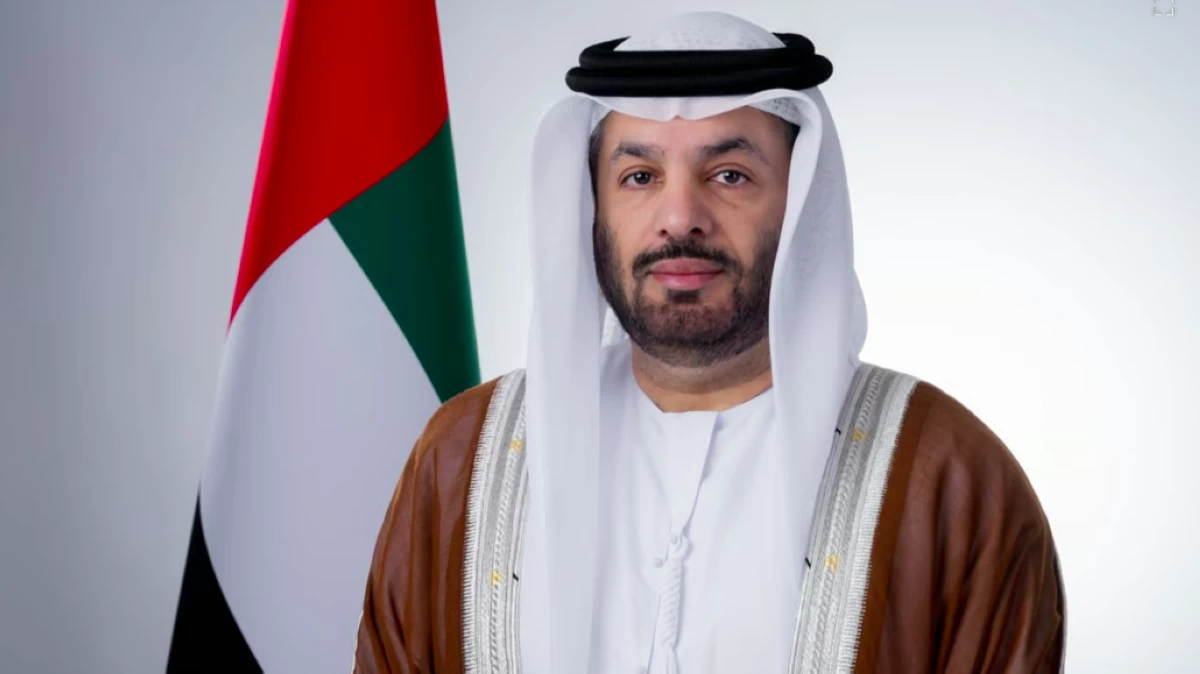
UAE plans to enhance AI collaboration with Germany, says Al Bannai.
Presidential Adviser Emphasizes UAE-Germany Collaboration in AI
Faisal Al Bannai, a strategic adviser to the UAE President, recently discussed the promising partnership between the United Arab Emirates and Germany in the realm of artificial intelligence (AI). In an interview with the renowned German business publication Handelsblatt, Al Bannai articulated the complementary strengths of both nations, focusing on how their collaboration could reshape the future of AI technology.
UAE’s Vision for AI Development
Al Bannai outlined the UAE’s ambitious agenda to lessen its reliance on oil, accentuating its commitment to becoming a powerhouse in AI. His remarks came during a state visit by UAE President His Highness Sheikh Mohamed bin Zayed Al Nahyan to Germany. Highlighting the UAE’s substantial investments in AI infrastructure, he revealed that the nation had allocated around $127 billion over the last two years towards developing data centers and energy systems specifically aimed at enhancing AI capabilities.
Germany’s Industrial Expertise Meets UAE’s Agility
According to Al Bannai, Germany boasts a formidable industrial base, skilled engineers, and a wealth of data, all critical components that can drive innovation in AI. Conversely, the UAE excels in creating an agile ecosystem that is adept at rapidly implementing new ideas and technologies. This dynamic positions both countries perfectly to collaborate: Germany’s industrial expertise can merge with UAE’s flexibility, resulting in pioneering advancements in AI.
Al Bannai remarked, “Germany has significant strengths, such as a strong base of industry, engineers, and talent. Meanwhile, the UAE is unafraid to champion new ideas and concepts, acting as a true pioneer.” This collaboration could offer both countries the opportunity to bolster their independence from existing AI ecosystems controlled by major players like the United States and China.
The Role of Open-Source Technology
In discussing AI frameworks, Al Bannai shared his support for open-source technology while recognizing the importance of proprietary models. The Technology Innovation Institute in Abu Dhabi has been a pioneer in developing and releasing AI models, now concentrating on creating smaller, cost-effective solutions tailored for industry-specific needs. This approach aligns well with the UAE’s mission to provide a large-scale testing environment for emerging technologies, described by Al Bannai as a “sandbox” for innovation in AI and autonomous systems.
He added, “If you have robots, you can extensively test them with us,” underscoring the UAE’s willingness to facilitate experimental endeavors in AI technologies. Furthermore, the UAE is keen to ensure that its regulatory framework evolves alongside industry advancements, further fostering a culture of innovation and trust.
Looking Ahead: Autonomous Systems in the UAE
Al Bannai revealed ambitious plans for the UAE, aiming to become a leader in the adoption of autonomous systems. By 2027, the nation intends to roll out more than 10,000 autonomous delivery vehicles. As technology evolves, visitors to the UAE can expect to witness a growing presence of autonomous features in public services, delivery systems, and security operations. The emphasis on creating a conducive environment for AI innovation positions the UAE as a notable player on the global stage.
Ultimately, the dialogue between the UAE and Germany presents an exceptional opportunity for both nations to harness their unique strengths, revolutionize the AI landscape, and push the boundaries of technological advancement.