
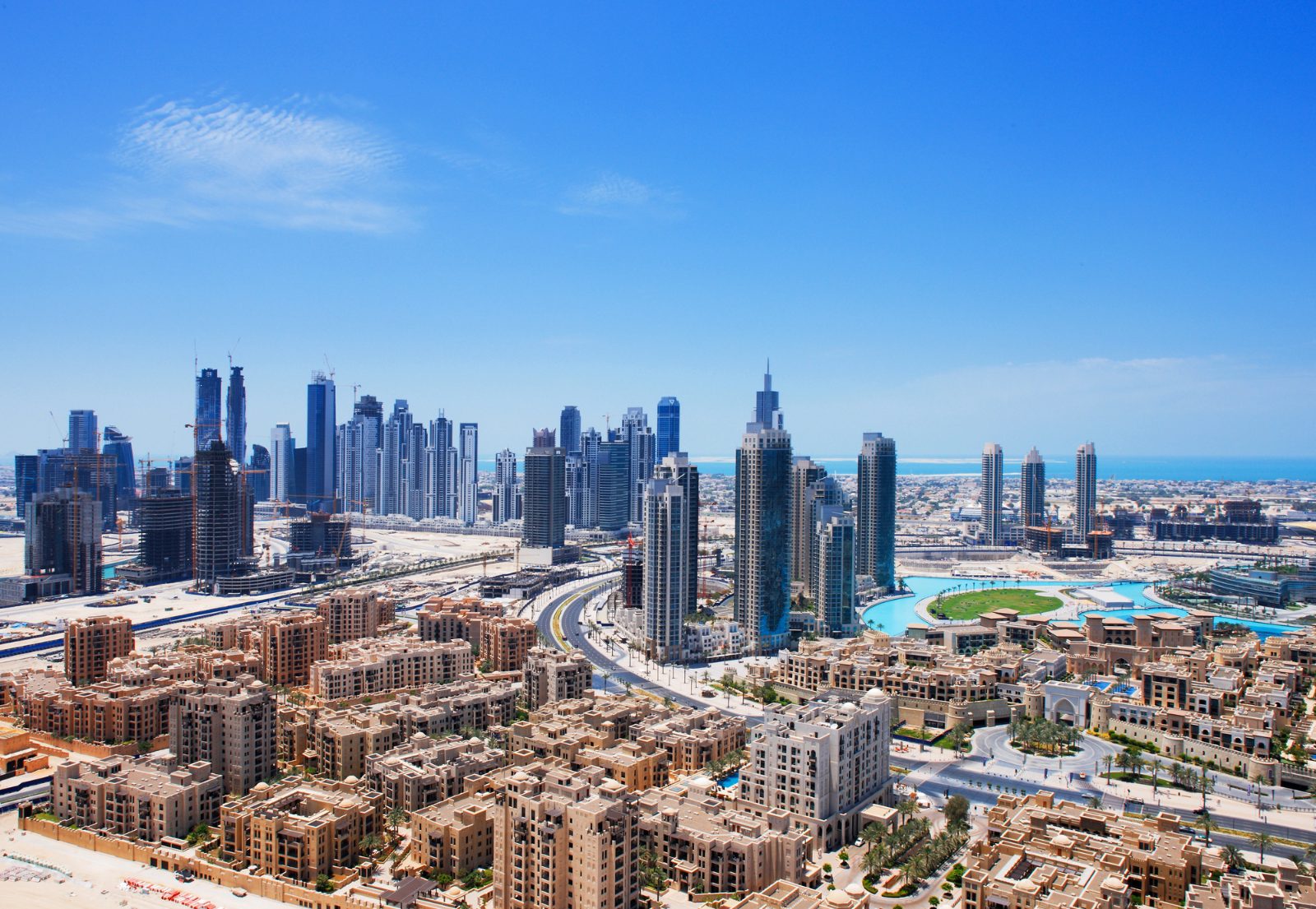
Dubai Real Estate Values Decline: Market Begins New Phase
Dubai’s real estate market has recently entered a period of adjustment, with residential property prices experiencing their first decline in over five years. As developers respond to a backlog of off-plan sales from the previous boom, the market dynamics are shifting. This trend is crucial for potential buyers and investors to consider.
Residential Prices in Decline
For the first time since February 2021, average sales prices in Dubai’s residential sector fell by 1.7% year-on-year, reaching about Dh1,636 (approximately A$675) per square foot, according to data from Cavendish Maxwell. This decline comes amidst a backdrop of strong price growth that previously positioned Dubai as one of the most sought-after property markets globally. Despite the recent downturn, transaction activity remains robust, with nearly 10,900 homes sold in August alone, amounting to Dh23.4 billion in sales.
Interestingly, while August’s sales volume was 14% lower than July’s figures, this decrease is attributed to Dubai’s traditional summer slowdown. Year-to-date transaction values have also fallen by 24% compared to the same period last year, signaling a shift in the market’s cycle. Real estate experts note that current figures reflect a transition rather than an impending collapse, with market conditions evolving into a more mature phase.
Supply Surge on the Horizon
The anticipated influx of new residential properties is noteworthy, with projections indicating that around 180,000 new homes will be delivered between 2026 and 2028. This translates to approximately 60,000 new properties entering the market annually, a figure that significantly surpasses the historical average of 30,000 to 40,000 homes. Developers have leveraged increasing property prices since 2021 by selling more off-plan properties, primarily preparing for their completion in the upcoming years.
Moody’s Ratings has highlighted that this additional supply may contribute to a cool-down in the market. They project modest price decreases and developer sales over the next 12 to 18 months as the new housing stock is absorbed. Of particular concern are the more affordable segments, such as studios and one-bedroom apartments, which might experience price declines due to the influx of new supply.
Market Fundamentals Remain Strong
Despite the cooling trends, the fundamentals supporting Dubai’s property market stay intact. Factors such as robust population growth and a welcoming environment for high-net-worth individuals continue to draw interest from overseas investors. In the previous year, around 130,000 new investors entered the market, coinciding with significant reforms aimed at attracting global interest, including residency changes for retirees and remote workers as well as the expansion of the UAE’s 10-year Golden Visa program.
Although the landscape is changing, the backlog of off-plan sales continues to drive market activity, showcasing the need for developers to adapt to a new reality. They enter this phase with stronger financial positions compared to previous cycles, equipped with significant cash flow and robust balance sheets, allowing them to weather potential market fluctuations effectively.
In conclusion, the current data suggests that while Dubai’s property market is navigating through turbulent waters, these changes may lead to a more sustainable and balanced future. For prospective buyers and stakeholders, understanding these trends will be essential in making informed decisions in an evolving real estate landscape. Rather than signaling an end to Dubai’s allure, the recent price adjustments indicate that the market is entering a crucial transitional phase, testing its ability to sustain growth amid increasing supply.