
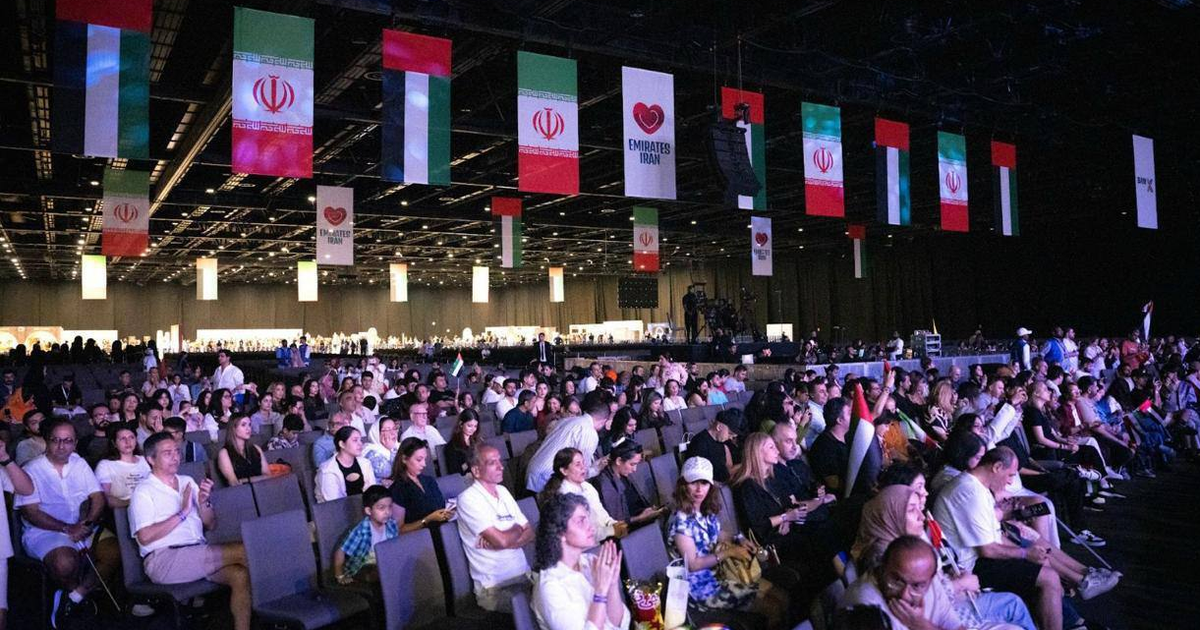
UAE trade suspension jeopardizes Iran’s crucial economic support.
On August 5, a significant financial maneuver unveiled the precarious state of Iran’s National Iranian Oil Company (NIOC). A state bank halted NIOC’s access to its accounts due to an outstanding debt of around $1 billion owed to the sovereign wealth fund, overdue by two years. Compounding this issue is another looming tax assessment of $1.5 billion that NIOC claims it cannot afford to pay. This situation reportedly only paused upon presidential intervention.
Reconstructing NIOC’s Financial Health
What makes this case noteworthy is the absence of transparent financial records from NIOC. The company does not publish audited accounts, and Iran’s national budget presents figures for state companies only in totals. As a result, analysts are forced to estimate NIOC’s debt by examining budgetary allocations and disclosures from other state entities. The current budget indicates a staggering €55 billion (approximately $63.5 billion) in deferred debts to the central and commercial banks, encompassing both principal and interest related to oil and gas development. This astonishing figure is merely tucked away in a table’s bottom row, shielded from detailed scrutiny, and refreshingly repeated each year since 2019.
Iran’s sovereign wealth fund, known as the National Development Fund, identifies NIOC as its largest debtor, with around $17 billion in unpaid loans. Collectively, these debts surpass $80 billion, yet no official document consolidates this alarming debt figure. Strikingly, the entire Iranian general budget for the year amounts to about $37 billion, positioning the deferred bank debts as significantly more than the government’s annual planned expenditures.
The Ripple Effect of Currency Depreciation
The situation surrounding NIOC becomes more critical when factoring in the currency depreciation of Iranian rial. The rial plummeted from about 900,000 to nearly 2 million against the dollar, exacerbating the significances of the $63 billion debt. This erosion in currency value amplifies the strain on NIOC’s financial situation, making it more daunting against the backdrop of dwindling domestic revenues. The maximum pressure exerted from international sanctions appears to be having a tangible impact that goes beyond just figures—it’s fundamentally reshaping the company’s operational viability.
The sanctions have transformed how Iran operates its oil production and sales. While Iran managed to cautiously rebuild its oil production from its low of nearly 2 million barrels a day in 2020 to around 3.6 million barrels by mid-2024, selling these barrels is another story. The country has resorted to clandestine methods, including selling oil to independent Chinese refiners at steep discounts and employing a shadowy fleet to navigate sanctions. These alterations indicate that even if production rebounds, the revenue from oil sales remains insufficient due to aggressive international economic pressures.
Looming Financial Pressures and Uncertainty
Payments for these oil exports have become further complicated. Proceeds from Iranian oil sales are often trapped within foreign banking systems or settled via barter, hindering the company’s cash flow. The volume of unpaid debts, compounded with the properties of foreign currency obligations, creates an unsustainable financial environment for NIOC. Although Iran’s parliament continues to sanction fresh lending, the reality is that NIOC’s operational model rests precariously on an unsustainable financial foundation, as shown by its historical defaults.
Notably, the pressure around NIOC is escalating. In a recent statement, U.S. Treasury officials suggested that even stronger measures against the Iranian economy are forthcoming, aimed at cutting off revenue sources crucial for settling outstanding debts. Even optimistic scenarios, such as lifting sanctions, reveal the grim financial reality for NIOC; the company would likely require additional borrowing to rehabilitate its capabilities before any substantial oil exports could resume.
The consequences of the maximum pressure campaign are clear—NIOC’s struggles are not mere financial miscalculations but reflect deep-rooted decisions made by Tehran. Rather than succumbing to external rivals, the company that once epitomized Iran’s oil wealth finds itself trapped in a cycle of unsustainable debt and operational inefficiency, sacrificed at the altar of geopolitical ambitions.