
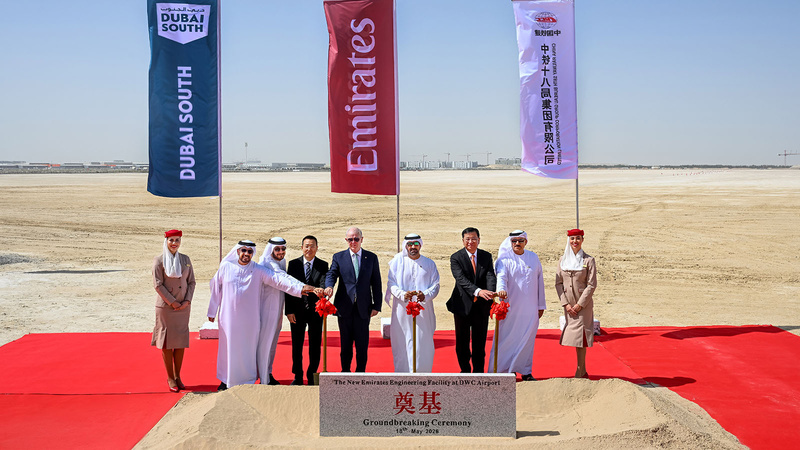
Emirates begins building $5.1 billion aviation facility in Dubai.
Emirates Airline is setting a new standard in sustainable aviation infrastructure with its latest engineering complex. Targeting top-tier certification, the project is designed to meet the Leadership in Energy and Environmental Design (LEED) Platinum rating. This ambitious initiative includes the installation of solar panels on rooftops and integrates various sustainable practices.
Sustainability Initiatives and Green Certifications
The engineering complex is aimed at setting unparalleled benchmarks in sustainability within the aviation sector. The emphasis on achieving LEED Platinum certification reflects Emirates’s commitment to environmentally friendly building practices. Features such as solar panels are just one facet of this broader initiative, which aims to create a fully eco-conscious facility from the ground up. This move not only showcases corporate responsibility but also positions Emirates as a leader in promoting a greener future for the aviation industry.
Timelines and Functionality of the New Hangar
Set for completion by the middle of 2030, the hangar complex will primarily focus on servicing aircraft in need of extensive maintenance. It is designed to alleviate workloads from the Emirates Engineering Centre located at Dubai International Airport, thereby enhancing operational efficiency. This new facility is more than just a maintenance hub; it represents a shift toward a more integrated approach to aviation engineering.
Strategic Vision for Future Engineering Needs
Sheikh Ahmed bin Saeed Al Maktoum, the chairman and chief executive of Emirates Airline and Group, emphasized the facility’s role in strengthening Emirates Engineering’s vertical integration strategy. By consolidating skills, infrastructure, and production capabilities, the complex is positioned to serve as a critical engineering partner. This strategic move underscores the airline’s preparedness for the evolving demands of the regional and global aviation market, ensuring that it remains at the forefront of industry advancements.
Pursuing International Collaboration and Quality Delivery
Dai Hegen, chairman of the China Railway Construction Corporation, highlighted the importance of international collaboration in the project’s execution. As the main contractor, his firm is committed to upholding high standards and maximizing resources. The goal is not only to deliver quality construction but also to create a model of cooperation between China and the UAE. This partnership seeks to deepen economic and trade relations, serving as a foundation for future collaborative projects in both countries.
In conclusion, Emirates Airline’s new engineering complex is a noteworthy advancement towards sustainable aviation infrastructure. With a strong focus on eco-friendly practices and a commitment to advanced engineering capabilities, this facility is set to become a vital asset for the airline and the broader aviation industry. Through strategic partnerships and a commitment to quality, Emirates is poised for future growth while maintaining its dedication to environmental stewardship.