
Dubai begins testing AI-driven Glydways transport system for 20,000 passengers hourly.
Dubai’s Roads and Transport Authority (RTA) has embarked on an exciting new initiative aimed at enhancing urban mobility. The authority has introduced a four-week pilot program for the Dubai Glydways autonomous electric vehicle system. This innovative approach leverages artificial intelligence technologies and operates along designated guideways, marking a significant stride toward improving first and last-mile transportation solutions.
Innovation in Urban Transportation
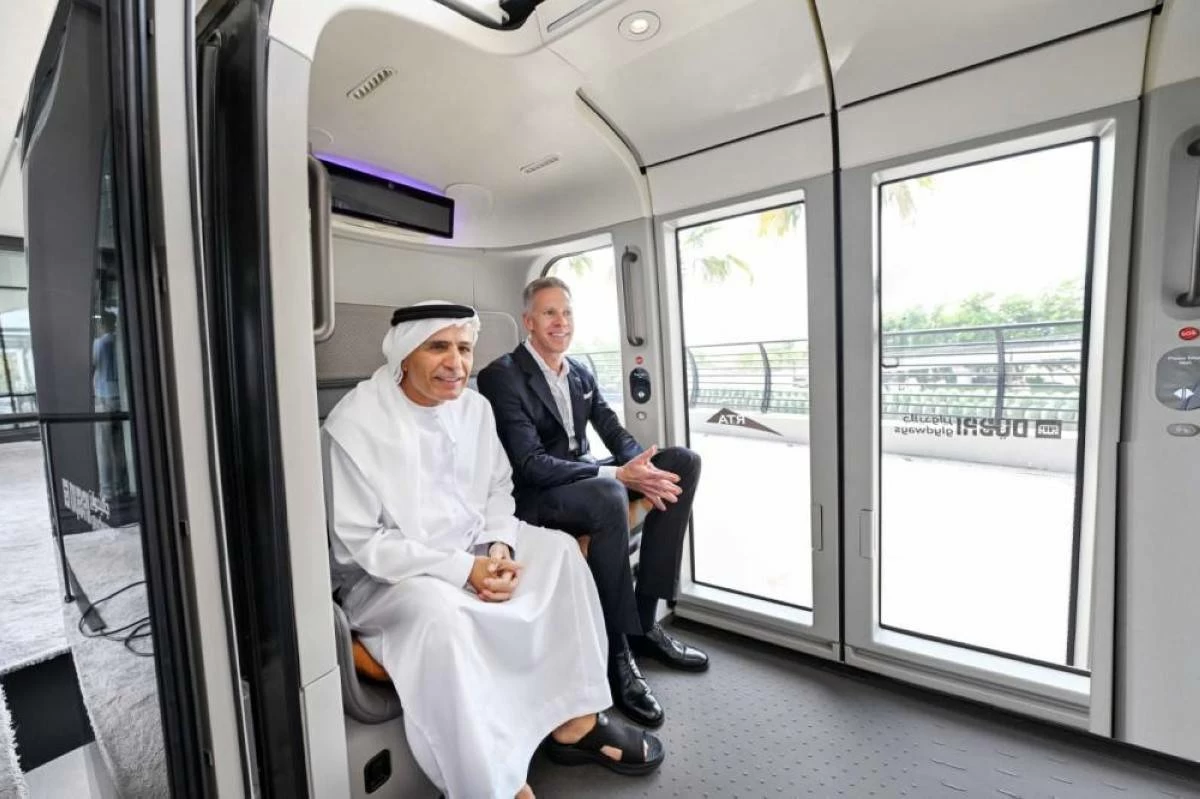
The launch of the Dubai Glydways system represents an essential component of the RTA’s strategy to create a smart, integrated, and sustainable transportation infrastructure. By incorporating cutting-edge transport technologies, the RTA aims to strengthen the synergy between various transportation modes and offer dynamic, efficient solutions for short-distance travel. During the inaugural event, RTA’s Director-General, Mattar Al Tayer, along with key officials from Glydways, showcased the system’s advanced technology, including autonomous driving features, vehicle traffic management, and safety controls.
The collaborative effort underscores a partnership between the RTA and Glydways, signifying the introduction of Dubai’s first automated transport network. Complemented by Dubai Holding’s operational support in providing the necessary infrastructure, this initiative aims to test and assess the viability of automated transit in an urban setting. During the unveiling, Al Tayer experienced a demonstration ride aboard the autonomous vehicle, which operated seamlessly on a dedicated guideway.
Technology and Performance Assessment
The pilot will evaluate the performance of the autonomous vehicles and their accompanying technical systems, focusing on factors like communication, safety, reliability, user experience, and operational efficiency. The Dubai Glydways vehicles are designed to operate independently of conventional road traffic on specialized, lightweight guideways that can be installed at ground level or elevated, allowing for flexible deployment within the existing city landscape.
Each vehicle in the system can transport between four and six passengers at speeds of up to 50 km/h, with a potential travel range of 250 kilometers on a single charge. Equipped with 20 advanced LiDAR sensors, radar, and camera systems, these vehicles utilize artificial intelligence to navigate efficiently. Furthermore, the system can connect over 10 vehicles at intervals of less than one second, significantly enhancing capacity and efficiency.
Significance of the Pilot Program
The RTA aims to cater to more than 20,000 passengers per hour, positioning the Dubai Glydways as a scalable solution tailored to meet urban demands and developmental needs. Financially, the project demonstrates high investment efficacy, with capital costs potentially reduced by up to 90% and operational costs by 70% compared to comparable transit systems. This innovative public-private partnership emphasizes collaboration with experienced firms in the realms of autonomous vehicles and artificial intelligence.
Alongside technical assessments, the pilot program will investigate various potential routes connecting major transport hubs, such as the National Paints Metro Station and Bluewaters, as well as other key areas like Jumeirah Village and Business Bay. This initiative is crucial in fulfilling the overarching goal of improving first and last-mile connectivity, a vital aspect of urban transportation.
In summary, the Dubai Glydways pilot represents a pivotal moment in redefining urban mobility, highlighting the capacity of automated transport networks to deliver efficient and flexible services. As the program unfolds, it promises to lay the groundwork for a more connected and sustainable future for public transportation in Dubai.