
AsiaOne: Your Gateway to Asia’s News and Insights
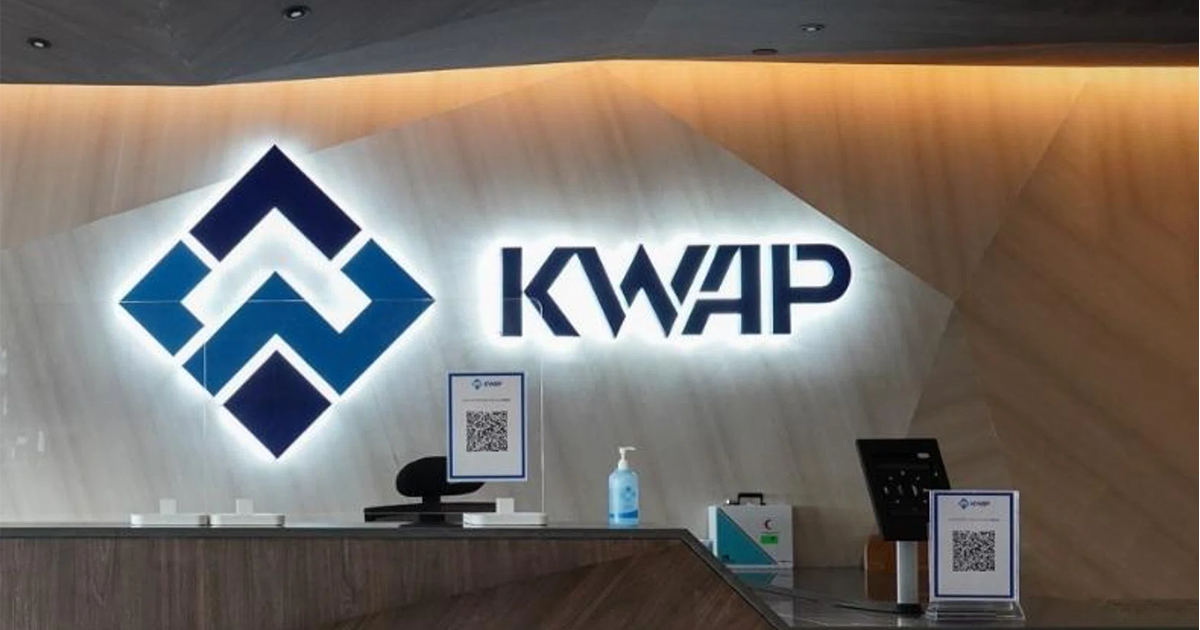
Malaysia’s anti-corruption agency is ramping up its efforts to investigate significant financial losses tied to the country’s public and retirement funds. On July 28, it announced plans to engage in a mutual legal assistance (MLA) process with Dubai, Indonesia, and Singapore to gather crucial documents related to this case. The focus of the investigation centers on the Retirement Fund (Incorporated) or KWAP, which reportedly suffered a staggering RM163.4 million (approximately S$51.6 million) loss in its investment in the Indonesian aquaculture technology firm, eFishery.
Background of the KWAP Investigation
The backdrop of this inquiry stems from KWAP’s investment strategy, which has faced scrutiny due to irregularities potentially linked to high-profile financial institutions. The investment in eFishery, a start-up specializing in aquaculture technology, seemed promising at the outset. However, subsequent events have prompted KWAP officials to reevaluate the legitimacy and return potential of this venture. As the anti-graft body delves deeper into this case, the consequences of such investments may signal a turning point in how institutions in Malaysia handle public funds.
Mutual Legal Assistance Process
The decision to initiate the mutual legal assistance process signifies Malaysia’s commitment to a thorough investigation. By collaborating with other jurisdictions like Dubai, Indonesia, and Singapore, the anti-corruption agency aims to collect vital information and documents that could elucidate this complicated situation. This MLA request is expected to involve extensive cooperation and legally binding obligations from the requested countries to ensure a transparent and constructive exchange of information.
Furthermore, securing cooperation from these countries may not only enhance the effectiveness of the investigation but also demonstrate Malaysia’s commitment to international standards in combating corruption. The collaboration can facilitate a deeper understanding of transnational financial dealings and pave the way for reforms in how public investment accounts are managed within the nation.
Implications for Public Funds Management
This investigation has far-reaching implications for the management of public funds in Malaysia. As KWAP faces scrutiny, stakeholders are becoming increasingly vocal about the need for transparency and accountability. The loss incurred from the eFishery investment raises questions about the vetting processes institutions use when managing public and retirement funds. This could lead to calls for stricter regulations and a reassessment of investment strategies to avoid similar pitfalls in the future.
Additionally, heightened public awareness and criticism of financial mismanagement could stimulate discussions around governance practices within public institutions. Stakeholders are likely to push for reforms that prioritize risk assessment and due diligence, ensuring that investments made with taxpayer money are subject to stringent evaluation and oversight.
Conclusion
The ongoing investigation into KWAP’s massive investment loss illustrates the potential risks associated with public fund management in Malaysia. The anti-graft agency’s move to secure international cooperation through the MLA process exemplifies a proactive approach to combating financial mismanagement. As the case unfolds, the resulting scrutiny could lead to significant shifts in policies governing public investments, promoting transparency and laying the groundwork for more secure financial practices in the future. In the long term, this could enhance public trust in institutions tasked with managing and safeguarding the nation’s resources.