
Sudan RSF Chiefs Accumulate KES 3.1 Billion Worth of Real Estate in Dubai
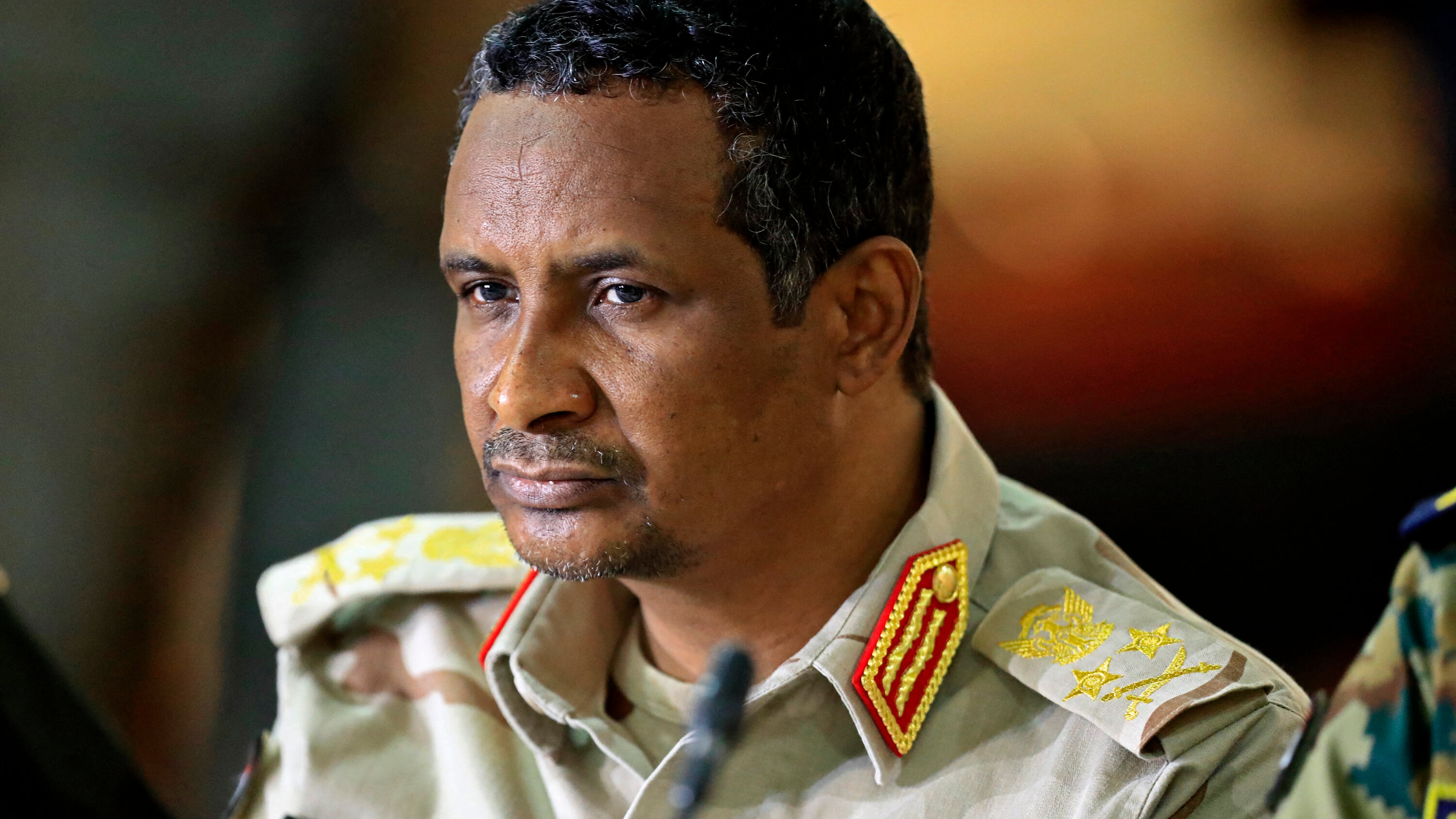
A thorough examination of the financial structures underpinning Sudan’s ongoing conflict reveals a troubling trend. The leadership of the Rapid Support Forces (RSF), under the direction of Mohamed Hamdan Dagalo—widely known as Hemedti—has reportedly redirected millions into luxurious real estate ventures in Dubai. While Sudan grapples with unprecedented humanitarian crises, members of Dagalo’s family and associates have acquired over 20 high-value properties in the United Arab Emirates (UAE).
### The Wealth Machine Behind the Conflict
Recent findings from the US-based investigative group The Sentry have uncovered an extensive “paramilitary-industrial complex” that enables the RSF to maintain its military operations while securing affluent lifestyles for its elite members. This property portfolio, valued at approximately £17.7 million (around KES 3.09 billion), acts as both a financial sanctuary and a logistical base for the militia, which is currently facing allegations of genocide and ethnic cleansing, particularly in the Darfur region.
The genesis of this wealth is deeply embedded in the exploitation of Sudan’s rich natural resources. After seizing control of the Jebel Amer gold mines in North Darfur in 2017, the Dagalo family gained dominance over the country’s gold export sector. Much of this gold is illicitly transported to the UAE, where it undergoes refinement and transformation into hard currency or luxurious assets.
### UAE’s Role as a Financial Enabler
The UAE has frequently come under international scrutiny for its pivotal role as both a financial and military supporter of the RSF. Although the Gulf state publicly refutes any allegations of providing lethal assistance, the findings from The Sentry suggest that their relationship is mutually beneficial. By permitting RSF-affiliated companies to operate within its borders, the UAE supplies the financial resources necessary for the militia to acquire weapons and hire mercenaries, all while the Sudanese state deteriorates.
This situation bears stark humanitarian implications, with about 33 million Sudanese—representing 66% of the population—requiring aid. The crisis has led to 19 million people facing acute food insecurity.
### Regional Implications for East Africa
For nations like Kenya, the instability in Sudan is far from a distant diplomatic issue; it’s a direct threat to regional peace and security. The ongoing conflict between the RSF and the Sudanese Armed Forces (SAF) has precipitated the largest displacement crisis globally. Thousands of Sudanese professionals and students have fled to Kenya, straining local resources and transforming the demographic composition of urban areas like Eastleigh and Hurlingham.
Moreover, the smuggling of gold through regional routes often destabilizes local markets. As a regional financial center, Kenya finds itself increasingly pressured to monitor cross-border financial transactions that may connect to the Dagalo family’s network in the UAE. Diplomatic efforts led by IGAD in Nairobi have repeatedly faltered, as the RSF’s access to external funds allows it to evade the usual incentives for ceasefires. If the militia can maintain a KES 3.1 billion financial buffer in Dubai, the likelihood of genuine negotiations is tragically diminished.
### The Need for Global Sanctions
International investigators contend that the most effective means to curb hostilities is to freeze the RSF’s overseas assets. Nick Donovan, a senior investigator with The Sentry, asserts that the UAE has evolved from a mere trading partner into a sanctuary for those perpetuating the conflict. Without stringent enforcement of financial sanctions against the Dagalo family’s holdings in Dubai, the “paramilitary-industrial complex” is likely to continue flourishing at the expense of humanitarian initiatives.
The human toll of this financial mobility is monumental. As Hemedti and his close associates indulge in opulent villas, the average Sudanese citizen faces a dire reality, caught in a dual struggle of famine and violence. With nearly 40% of the population at risk of starvation, the contrast between the affluent property developments of Dubai and the refugee camps in eastern Chad has become exceedingly stark.