
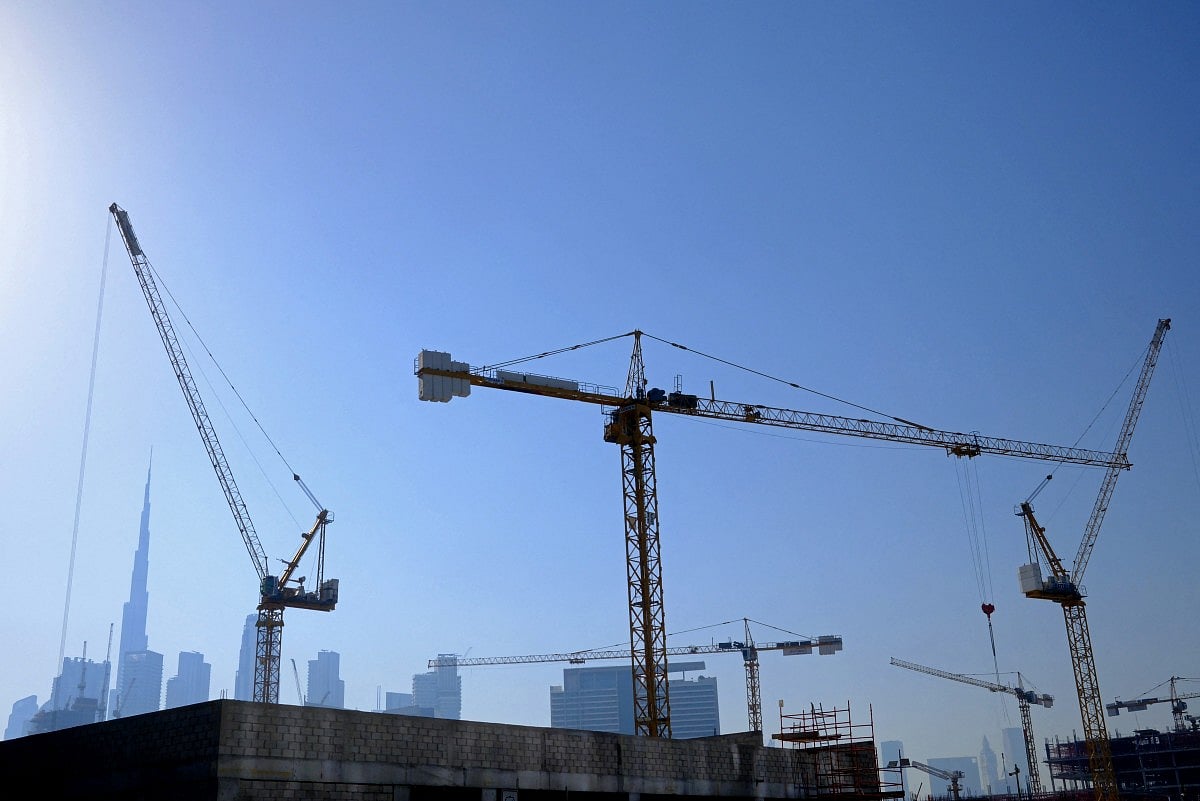
24,800 New Homes Increase Availability as Prices and Rents Stabilize
Residential real estate prices in Dubai experienced a slight decrease of 2.6% in the second quarter, while rental prices fell by 2.5%. Despite these declines, property values remain approximately 2% higher than the same period last year, with rental rates showing a substantial increase of 7.8% annually. This shifting landscape indicates a complex evolution in Dubai’s real estate market, prompting analysts and potential investors to closely monitor the trends.
Surge in Project Completions
The first half of the year marked a significant milestone for Dubai, as it witnessed its most robust period for residential project completions in several years. This surge was largely fueled by the successful delivery of developments initiated during the market’s recent growth phase. A shift from planning to execution has allowed many developments to come to fruition, providing residents and investors with new opportunities within the thriving metropolitan landscape.
However, the pace of new launches saw a downturn, with 28,000 units introduced across 124 projects in the first half of this year—an unexpected contrast to the staggering 102,000 units across 410 projects launched during the same timeframe a year prior. This shift suggests a more cautious approach among developers, likely influenced by the regional uncertainties affecting market dynamics in the area. The reduction in new launches indicates that while projects may be concluding successfully, the future growth trajectory could be tempered.
Cavendish Maxwell noted that this slowdown began in the first quarter after record-high project launches in 2024 and 2025. Many developers opted to delay their upcoming projects during the second quarter, responding to shifting market conditions. As Ronan Arthur, Director and Head of Residential Valuations at Cavendish Maxwell, remarked, “Dubai’s residential market is showing clear signs of transitioning to a new cycle following exceptional levels of activity over the last two years.” This remark encapsulates the prevailing sentiment in the industry, suggesting a natural evolution rather than a fundamental decline.
Market Dynamics and Future Trends
As we analyze the current trends in Dubai’s residential market, it becomes clear that adaptability remains key. While the recent dips in prices and rental rates may raise questions, the overall year-on-year increases signal ongoing demand. The 7.8% annual rise in rents indicates that despite short-term fluctuations, a solid foundation for rental demand persists. Investors and residents alike should consider these factors when navigating their strategies in the current landscape.
Additionally, with various housing projects reaching completion, the availability of diverse housing options is likely to attract both local and international buyers. This influx is essential for sustaining interest in Dubai’s real estate market and could play a pivotal role in stabilizing prices moving forward.
In conclusion, while the current environment presents a mix of challenges and opportunities, stakeholders must remain vigilant. Understanding the underlying factors that drive these trends is crucial for making informed decisions in Dubai’s ever-evolving residential real estate market. As the sector transitions into a new phase, potential investors and homeowners should take advantage of favorable conditions while preparing for the changes ahead.