
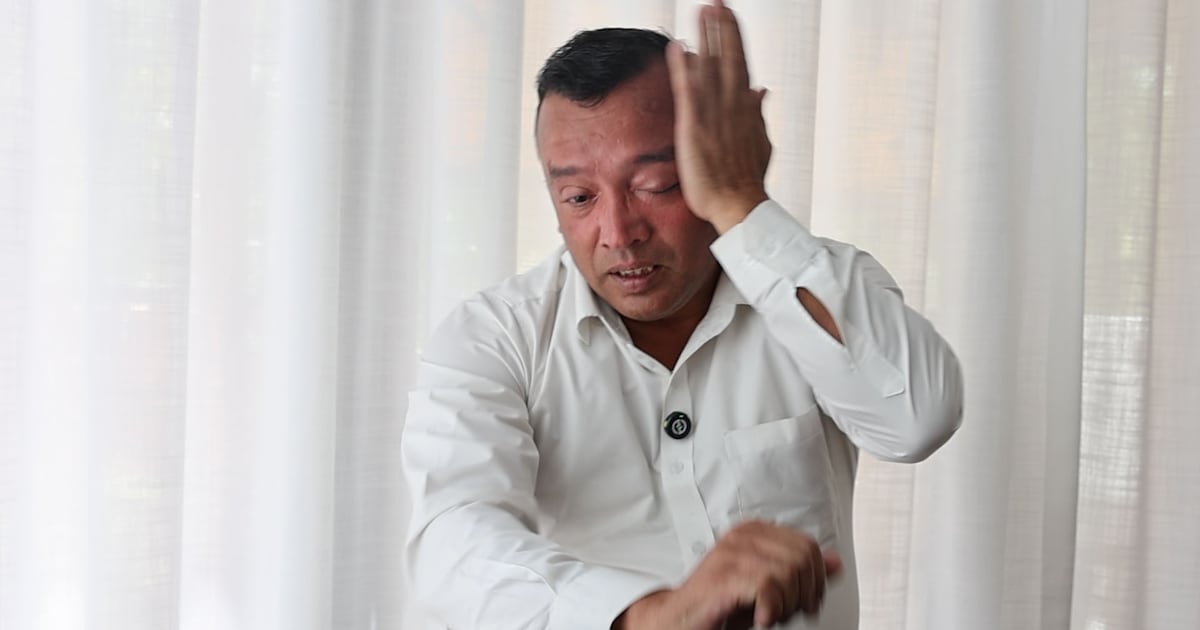
Nepali Man in Dubai Grieves Loss of Over 100 Friends in Floods
The recent catastrophic floods in Nepal have left countless communities devastated, with loss and sorrow permeating the lives of many residents. Among those grappling with this tragedy is Ram Kumar Rijal, a Nepali living in Dubai, who is heartbroken after losing over a hundred friends and neighbors from his hometown. The calamity has not only robbed him of his community but has also taken the life of his nephew, deepening his despair.
Grief and Loss
Ram Kumar Rijal’s heartache is palpable as he recalls the faces of his friends, neighbors, and business acquaintances from Trishuli Bazar, a bustling market area in the Nuwakot district, which has been ravaged by flooding. This disaster has truly shattered lives and uprooted entire families. Rijal learned of the devastating news through phone calls with his family back home. Fortunately, his wife, two sons, and granddaughter managed to escape the rising waters of the Trishuli River, seeking refuge on higher ground. However, for many, this tragedy has been insurmountable.
“Countless names weigh heavily on my mind,” Rijal laments. “I know who welcomed new grandchildren and celebrated weddings. The scope of our loss is overwhelming.” This 47-year-old, who moved to Dubai four months ago for work, feels an unshakable grief. He recounts that one friend lost 57 family members, while entire households, once bustling with life, have vanished. “More than 570 neighbors are gone. The pain is too immense to bear,” he shares.
The Scale of the Catastrophe
The floods, which are believed to have resulted from a glacial collapse, have claimed over 1,200 lives, with more than 4,200 individuals still unaccounted for. In Rijal’s hometown, numerous people were swept away while working in their fields or shopping at local markets, while families were cruelly separated by the rising waters. “This was something no one prepared for; it’s beyond imagination,” he expresses. “Our community, anchored by the river and its bridges, has been completely erased. The central market, the heart of our gatherings, is unrecognizable.”
Amid these tragic tales, stories of heroism also emerge. Rijal recalls Rajendra Dawadi, a classmate who was instrumental in evacuating 900 children from the local school before the floodwaters overwhelmed the building. “These children are our futures,” Rijal explains, expressing gratitude for Dawadi’s quick actions. Yet, the loss of a beloved teacher and the man who rang the school bell for decades draws a stark reminder of the cost of this disaster.
Lessons Learned and Hope
As news of the floods spread, many townsfolk initially dismissed the warnings, believing them to be exaggerated. Last year’s minor flood led to a sense of complacency; people took to social media, capturing videos of the swelling river rather than seeking safety. Rijal recalls that these moments of distraction were perilous, with the river surging in mere seconds.
Although Rijal’s hillside home survived, the land where his family once cultivated rice is now submerged. His connections to the community run deep, having served as a bus driver for years. The sudden loss of life and livelihood weighs heavy on him. “Everyone knew me, and I knew everyone,” he shares. “These hardworking individuals, who filled our market with life, are no longer here.”
However, beneath the layers of sorrow, Rijal expresses a resilient hope. “There is nothing left but mud, but we will rebuild,” he affirms. “My family is frightened, but I remind them not to lose hope. We will return stronger, even if it takes years.” His steadfast determination embodies the spirit of resilience that many communities need to foster as they navigate the long road ahead to recovery.