
US Expands Sanctions in Economic Assault on Iran
The Biden administration is intensifying its economic pressure on Iran, announcing the expansion of secondary sanctions aimed at foreign entities and nations that maintain business connections with Tehran. This escalation comes as the conflict approaches its six-month mark, highlighting Washington’s commitment to isolating Iran economically.
New Strategies and Goals
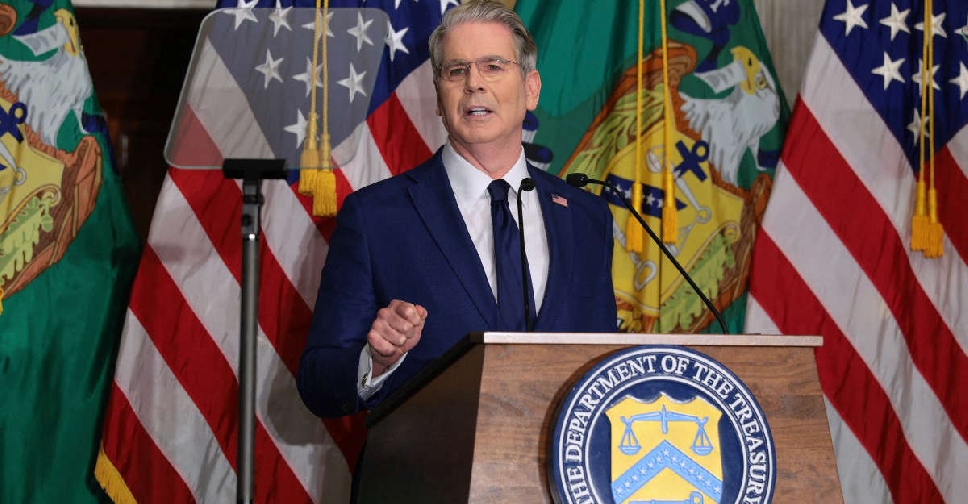
During a recent press briefing, Treasury Secretary Scott Bessent introduced what he termed an “economic D-Day.” This initiative serves as a stern warning to countries that they must cut ties with Iran or face being excluded from the dollar-denominated financial system. “We are launching an economic onslaught against Iran’s financial connections around the globe. Our objective is to sever every economic lifeline that sustains this tyrannical regime until Tehran stands alone,” Bessent asserted, making it clear that the U.S. aims to diminish Iran’s financial capabilities.
The U.S. Treasury Department has conducted a thorough analysis of the various financial networks that Iran utilizes to smuggle oil and circumvent sanctions. They have indicated their readiness to collaborate with U.S. allies to disrupt any source of Iran’s illicit revenue streams. The administration has spotlighted five key sectors—digital assets, technology, gold, aviation, and shipping—that the Iranian government exploits to bolster its economy.
Targeted Sanctions and Impacts
In addition to the identified sectors, the Treasury has rolled out sanctions against nearly 60 entities, individuals, and vessels, aiming to clamp down on Iran’s economic activities. China’s status as the primary buyer of Iranian oil complicates the situation; although the U.S. has ramped up efforts to curtail China’s oil purchases, larger Chinese banks that potentially facilitate these transactions remain unscathed.
The ongoing tensions, driven largely by Trump’s hardline stance against Iran, have contributed to rising global energy prices. As diplomatic negotiations have stalled, aggressive attempts to secure shipping routes, especially through the vital Strait of Hormuz, have yet to yield significant results. The situation remains volatile, with the potential for sustaining high energy prices.
Political Ramifications and Long-Term Strategy
As these economic measures unfold, Trump’s popularity appears to be waning, with a recent Reuters/Ipsos poll showing his approval rating plummeting to only 33%. Despite this, he maintains that the economic repercussions are a necessary step to ensure Iran does not acquire nuclear capabilities. The U.S. has enforced sanctions on Iran for decades, primarily to limit the nation’s oil revenues and its military endeavors, especially controlling the financial activities of the Islamic Revolutionary Guard Corps, a significant player in Iran’s economy.
Although these sanctions aim to restrict Iran’s access to the global financial system, Tehran has adeptly navigated the restrictions by establishing new front companies and alternative vessels to continue its operations. This resilience poses ongoing challenges for the U.S. as it seeks to enforce its economic strategy against Iran effectively.
While the enforcement of secondary sanctions signals a strong commitment from the U.S. government, the long-term effects on Iran, regional geopolitics, and energy markets remain to be fully realized. As the international community watches closely, the dynamics between the U.S. and Iran will continue to evolve, underscoring the complexities of global finance and diplomacy in a multifaceted geopolitical landscape.