
UAE Council Prioritizes Food Security and Sustainable Development
The UAE is making significant strides in promoting a sustainable future through its Circular Economy Council’s recent meetings. In their latest gathering, crucial topics such as food security and sustainable practices were on the agenda, aimed at driving investments in the circular economy sectors.
Key Discussions at the Circular Economy Council Meeting
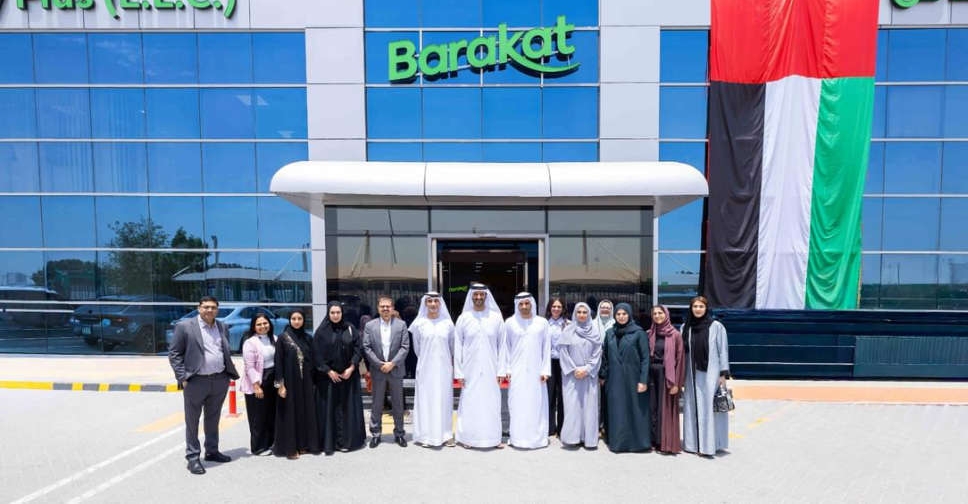
Chaired by Abdulla bin Touq Al Marri, the Minister of Economy and Tourism, the council convened at Barakat Quality Plus Group, a well-known player in the fresh foods and juices market. This meeting brought together representatives from government, academia, and the private sector, showcasing a collaborative approach to addressing pressing environmental challenges.
During the meeting, officials assessed the progress of national policies that encourage the UAE’s transition to a circular economy. They emphasized the importance of effective governance, updated regulations, and practical systems that ensure these policies are successfully implemented. The gathered experts recognized that a robust framework is crucial for promoting sustainability in various sectors, particularly in food production and distribution.
Investment Opportunities in Sustainable Practices
The discussions also highlighted the potential investment opportunities within the circular economy, especially in the food industry. Innovation emerged as a critical factor in enhancing production processes, storage solutions, and distribution methods. Participants acknowledged the need to bolster national talent and readiness for the workforce, ensuring that the UAE’s economic sectors can adapt to sustainable production models efficiently.
Abdulla bin Touq emphasized the significance of the food industry as a fundamental element of the UAE’s food security strategy. He pointed out that global supply chains are under unprecedented strain from various geopolitical and economic challenges. Strengthening circular economy initiatives within the food sector is seen as a vital step towards enhancing resilience, efficiency, and responsiveness to any disruptions that may arise.
The Role of Public-Private Partnerships
The minister underscored the necessity of fostering stronger public-private partnerships, particularly through initiatives such as the Food Economic Cluster. This framework aims to support food-related industries nationwide, facilitating progress toward the UAE Circular Economy Agenda 2031. By encouraging more collaboration between government entities and private firms, the UAE is poised to enhance its food security landscape while promoting sustainable practices.
Following the meeting, Abdulla bin Touq toured the production facilities of Barakat Quality Plus Group. There, he reviewed various manufacturing processes related to food and juice production. His visit also included a look at the company’s future expansion plans, which are designed to boost output and contribute to the growing demand within the UAE market.
Founded in 1976, Barakat Group has established itself as one of the UAE’s top producers and suppliers of fresh food products and beverages. Catering to hotels, restaurants, cafés, retailers, and catering companies, Barakat Group plays an essential role in the region’s food supply chain. As the UAE continues to prioritize sustainability and food security, the collaboration between various sectors will be instrumental in achieving these goals and fostering a circular economy.