
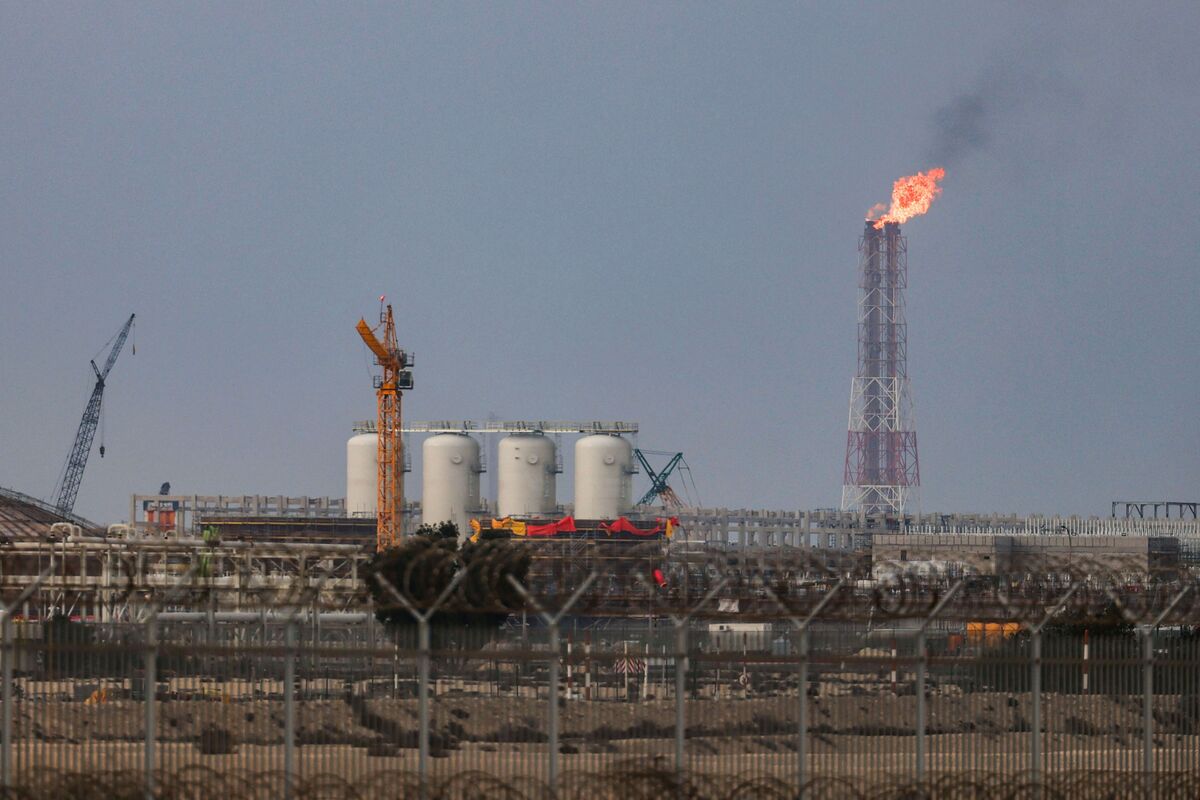
Gulf Wealth Dwindles as Iran War Ends Petrodollar Boost
In recent years, the economic landscape of Gulf states has undergone significant changes due to fluctuating oil prices and global energy trends. These nations, known for their abundant oil and gas reserves, have traditionally operated under a model where they export these resources, utilize some of the earnings domestically, and invest the remaining profits in overseas ventures. This approach has molded their economies, but evolving circumstances are demanding a reassessment of their financial strategies.
The Traditional Oil Economy of Gulf States
Historically, Gulf Cooperation Council (GCC) countries such as Saudi Arabia, the United Arab Emirates, and Qatar have relied heavily on the sale of hydrocarbons. This revenue stream has funded infrastructure projects, social programs, and public services, providing a robust foundation for their economies. The oil and gas sector not only generates vast amounts of wealth but also serves as the backbone of regional development. Many of these states have enjoyed an influx of investment from their energy exports, which has allowed them to create substantial sovereign wealth funds.
However, the volatility of global oil prices poses challenges. With prices swinging wildly due to geopolitical tensions, fluctuations in demand, and the transition to renewable energy, these states must adapt their strategies. Diversifying their economies has become a priority to ensure long-term sustainability, moving beyond an over-reliance on fossil fuels.
Shifts Towards Economic Diversification
In response to these challenges, Gulf nations are implementing comprehensive economic diversification plans. Notable initiatives, like Saudi Arabia’s Vision 2030 and the UAE’s National Innovation Strategy, aim to reduce dependency on oil revenues and foster growth in other sectors such as tourism, technology, and renewable energy. These strategic roadmaps prioritize investments in education and innovation, seeking to create a more balanced economic structure.
Moreover, the rise of tourism represents a significant opportunity for Gulf states as they work to attract international visitors and stimulate domestic spending. Iconic events, cultural events, and sporting competitions are increasingly becoming focal points of their strategies. By building world-class infrastructures, such as hotels and entertainment facilities, these nations are creating new revenue streams and job opportunities for their citizens.
Investment Strategies and Future Outlook
As Gulf states adapt to a changing economic landscape, their investment strategies are also evolving. Sovereign wealth funds, originally established to manage surplus oil revenues, are now embracing a broader scope of investment opportunities. By targeting sectors like technology, healthcare, and green energy, these funds are positioning themselves to thrive in a post-oil world.
In addition, there is a growing recognition of the need for sustainable investments that align with global trends toward social responsibility and environmental stewardship. Investments in renewable energy technologies and sustainable agriculture are examples of how Gulf states are reorienting their financial strategies to appeal to a changing market. This shift not only aids in achieving sustainability targets but also helps bolster their global competitiveness.
In summary, while Gulf states have historically depended on oil and gas revenues, the current economic climate necessitates a shift toward diversification and innovation. By embracing new sectors and sustainable practices, these nations are laying the groundwork for a resilient and dynamic economic future. As they navigate these transitions, the focus will remain on securing long-term growth and prosperity beyond their traditional economic models.