
Dubai and Abu Dhabi Residents Adapt to Uncertain New Reality
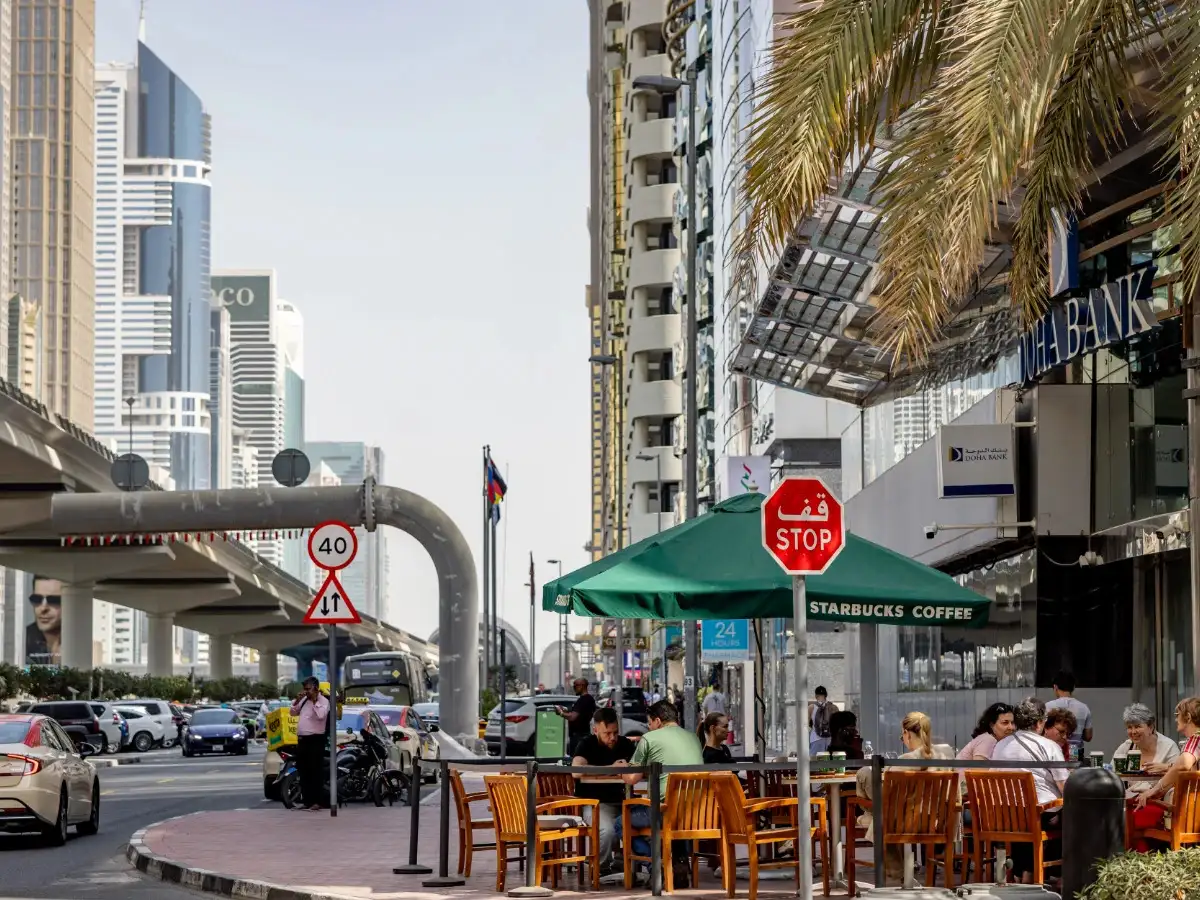
The United Arab Emirates (UAE) sees a significant shift each September as the summer lull gives way to renewed activity. This transition involves bustling offices, school children boarding buses, hotels welcoming tourists seeking winter sun, and professionals flocking to various conferences. As this year’s wave of activity unfolds, it reflects the resilience of the UAE’s economy in the wake of the pandemic and amidst ongoing geopolitical tensions.
Economic Resilience Amid Conflict
As the seventh month of regional conflict drags on, the UAE’s economic environment continues to show signs of life. Abu Dhabi’s sovereign wealth funds remain active, investing billions and prompting major Wall Street banks to expand their presence in the Gulf region. Concurrently, Dubai and Abu Dhabi’s malls are filled with families looking for “back to school” deals, while the restaurant industry continues to thrive. However, pressures from the prolonged conflict pose challenges, disrupting supply chains and inflating costs of imports and fuel.
Despite the lowering of airport traffic and property sales, and the adjustment of recruitment packages to entice talent, the UAE has demonstrated its ability to weather the storm. On August 31, recent drone activity over Emirati waters served as a reminder of the ongoing conflict. However, the daily routines of life—school runs and bustling markets—remain largely undisturbed, indicating a remarkable capacity for adaptation within the economy.
Educational Growth in a Turbulent Landscape
The education sector reflects promising trends despite the ongoing conflicts. GEMS Education has observed a noteworthy return of students, with around 700 of the 1,800 who relocated due to the war coming back. This year, an expected 147,000 students will enroll, which surpasses previous numbers. Similarly, Taaleem Holdings PSC reported a 7% increase in enrollment across its private institutions, underscoring a demand that exceeds supply even during challenging circumstances. New schools are also sprouting in Dubai, adding thousands of new places, with international institutions expanding their reach.
Such educational developments signal broader economic momentum, as the UAE’s central bank forecasts GDP growth slowing to 1.7% for the year, while optimistic economists predict a rebound of about 7% by 2027. The financial landscape remains dynamic, with Dubai International Financial Centre surpassing 10,000 active firms and Abu Dhabi’s ADGM licensing almost 2,000 new companies just in the first half of the year.
Challenges and Opportunities in the Hospitality Sector
While the hospitality sector in Dubai shows signs of softness, with a decrease in occupancy and room rates, there are promising initiatives to foster recovery. The city’s hotels are launching campaigns targeting both tourists and residents, offering attractive deals that include medical insurance and visa-free travel. August saw a dip in hotel occupancy from 76% to about 64%, but this decline was still considered a positive outcome given the circumstances.
Moreover, signs of improvement are burgeoning, with international travel beginning to recover and local demand supporting the hospitality industry. As major events like the Formula One Abu Dhabi Grand Prix and the opening of the Guggenheim museum approach, the sector looks forward to a busy end-of-year tourism period, which may provide a much-needed lift to the local economy.
Long-Term Confidence in the UAE
As uncertainties persist, confidence in the UAE remains robust. Factors such as low taxes, world-class infrastructure, and an attractive business environment play pivotal roles in retaining expatriates and attracting foreign investment. Economists like Monica Mali suggest that beneficial conditions will likely continue to appeal to those looking to establish themselves in the UAE, reinforcing its position as a significant player in the global market.
In summary, while challenges from ongoing geopolitical tensions loom large, the UAE’s economy has shown remarkable resilience. The interplay of educational growth, the hospitality sector’s adaptations, and long-term confidence in the region’s stability suggest that the UAE will continue to thrive, even amid uncertainty.