
Dubai Builder Disbursed $12.5 Million to Trump Amid U.S. Data Center Expansion
In the realm of international business, controversial deals and connections often arise. One such instance involves a Dubai-based real estate firm that made headlines due to a significant financial transaction with Donald Trump, amounting to $12.5 million. This financial engagement unfolded alongside the company’s plans to establish data centers in the United States, raising eyebrows and sparking discussions about the implications of foreign investments in American infrastructure.
Financial Transactions and Their Implications
The recent revelation that a prominent Dubai real estate firm transferred $12.5 million to Donald Trump has attracted significant attention. The transaction comes during a period when the company is looking to develop data centers across the United States. Such monetary exchanges between foreign corporations and American political figures are not uncommon, but they do raise critical questions about transparency and potential conflicts of interest. The timing of this deal coinciding with the company’s expansion plans has led many to speculate on the motivations behind it.
These types of transactions underscore the delicate balance between foreign investment and national security. Critics argue that significant financial ties between foreign entities and U.S. politicians could compromise decision-making and policy formulation. This situation calls for a closer examination of the interplay between global business interests and political ethics, highlighting the necessity for clear regulations governing such interactions.
The Growing Data Center Market in the U.S.
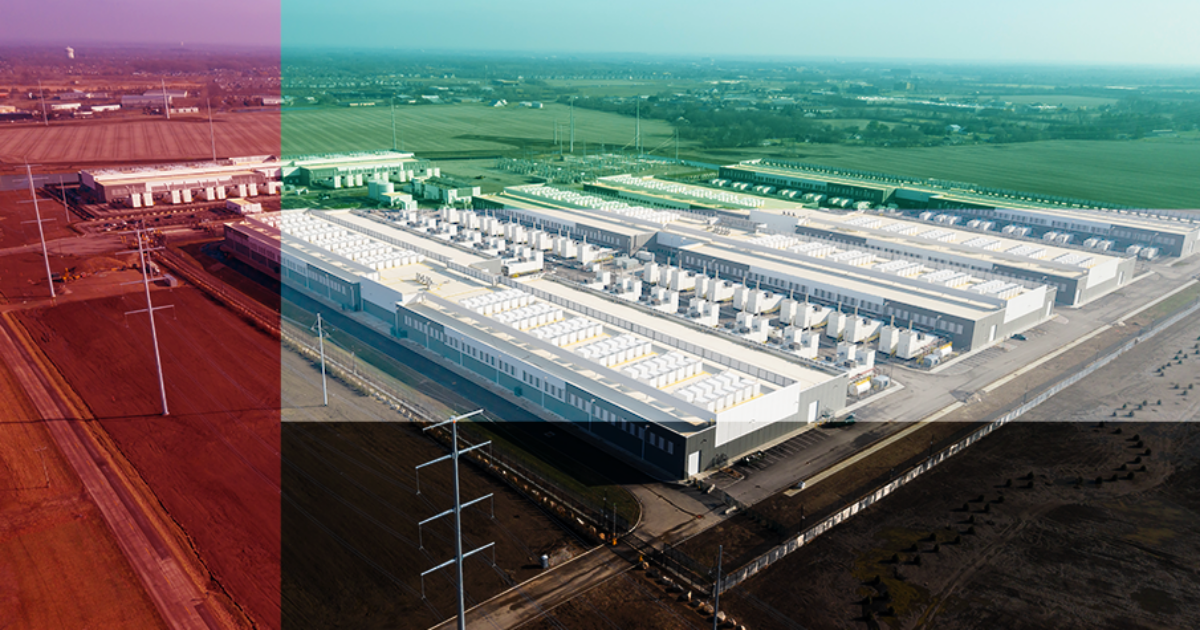
Simultaneously, the company’s aspiration to construct data centers in the United States speaks to the burgeoning demand for data management and storage solutions. As the digital age progresses, businesses across various sectors are increasingly reliant on robust data infrastructure. Establishing data centers within the U.S. not only caters to this growing need but also positions the company to leverage the country’s technological advancements and consumer base.
The U.S. offers a favorable environment for data center operations, given its technological expertise and significant market potential. However, foreign investments in this sector come with a spectrum of regulatory challenges. Companies looking to establish a presence face scrutiny regarding their data handling practices, security measures, and compliance with U.S. laws. The interplay between securing foreign investment and ensuring national security is a crucial aspect of the ongoing conversation around data centers in the United States.
The Significance of Transparency in Foreign Investments
Transparency remains a pivotal aspect of discussions surrounding foreign investments, particularly in light of recent transactions involving high-profile figures. Ensuring that any financial dealings are well-documented and publicly available helps mitigate concerns over corruption and the undue influence of foreign interests on local policies. Stakeholders, including governmental agencies and private citizens, benefit from understanding these connections.
For businesses considering investments in the U.S., demonstrating transparency can enhance their credibility. Showing a commitment to ethical practices and compliance can foster trust among consumers and regulators alike. As the landscape changes, building public trust through transparent operations will be essential for foreign companies seeking to thrive in the competitive American market.
As this situation unfolds, the dialogue around the implications of foreign investment in American infrastructure will only intensify. Understanding the complexities involved in such dealings is vital as stakeholders navigate the intersections of economics, ethics, and politics in today’s globalized world.