
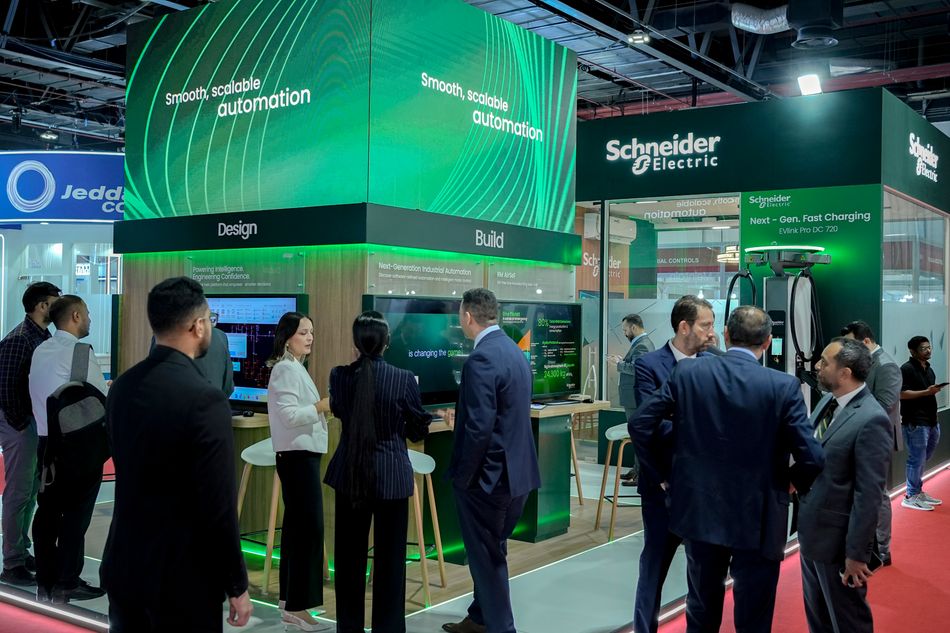
Schneider Electric Showcases SF₆-Free Grid Tech at WETEX 2026
Introduction to the Shift in Energy Practices
As the Middle East gears up for significant energy transformation, a recent IDC survey reveals that almost half of regional organizations are poised to transition to sulfur hexafluoride (SF₆)-free practices within the next two years. This shift signals a pivotal change in how energy firms operate, aligning with global movements toward more sustainable resources and regulatory compliance.
Growing Momentum for SF₆-Free Solutions
The study, which surveyed 700 decision-makers in medium-voltage infrastructure across various sectors, highlights a rapidly evolving landscape. In the Middle East, 14% of entities have already initiated the move to SF₆-free gear, with an additional 32% planning to do so within two years. Impressively, 99% believe that SF₆ regulations will be enacted in their countries within five years. This data suggests a collective urgency among organizations to adopt safer and more efficient operational practices.
Nevertheless, the research also underscores barriers that need to be addressed before widespread adoption can occur. Key challenges identified include technical readiness (58%), availability of supply chains (47%), product access (46%), and overall costs (42%). Interestingly, only 29% of participants evaluated the complete lifecycle costs of their equipment, especially the end-of-life management of SF₆. This oversight could significantly impact financial considerations, as 92% acknowledge that the management of SF₆ at the end of its lifecycle represents a substantial cost.
Utilities as Influential Catalysts
One striking revelation from the study is the role of utilities in shaping procurement decisions. A significant 73% of respondents indicated that guidance from utilities or grid operators heavily influences their purchasing choices. This is particularly salient in the Gulf Cooperation Council (GCC) region, where national utilities are expected to lead the transition towards eco-friendly practices rapidly, once they establish clear directives. Notably, electric utilities are at the forefront of this readiness, with 79% expressing a willingness to adopt SF₆-free technologies and 62% currently piloting innovations ahead of regulatory mandates.
Amel Chadli, Gulf Cluster and Countries President at Schneider Electric, emphasizes that utility decisions made today will profoundly impact grid management for years to come. The findings reflect a wholesale readiness for action within the region, anticipating that utilities will guide the charge toward sustainable practices. Events like the Water, Energy, Technology, and Environment Exhibition (WETEX) serve as critical platforms for disseminating these insights and showcasing enabling technologies.
Showcasing Innovations at WETEX 2026
At the upcoming WETEX 2026, Schneider Electric will be presenting its SF₆-free switchgear solutions at stand GSP3, embodying a commitment to sustainability throughout the lifecycle of energy and water assets. Visitors can expect to see innovative products such as RM AirSeT and GM AirSeT that leverage pure air and vacuum interruption technologies, effectively replacing SF₆.
Moreover, other thrilling innovations will be on display, such as ETAP’s digital twin for electrical grid design, the One Digital Grid Platform, and advanced automation systems for real-time operations. These solutions are framed within Schneider Electric’s extensive experience, which includes over 40,000 water and environmental installations worldwide. By integrating modern technologies, Schneider Electric aims to facilitate the transition for utility operators, maximizing efficiency while minimizing environmental impact.
Conclusion
As the energy landscape in the Middle East evolves, organizations are increasingly prepared to adopt SF₆-free technologies. The momentum is clear, with utilities leading the way in shaping practices and policies. Schneider Electric’s participation in WETEX 2026 is poised to drive the conversation forward, linking innovative technologies with urgent sustainability needs. The industry’s collective readiness suggests that change is not just imminent; it is already underway.