
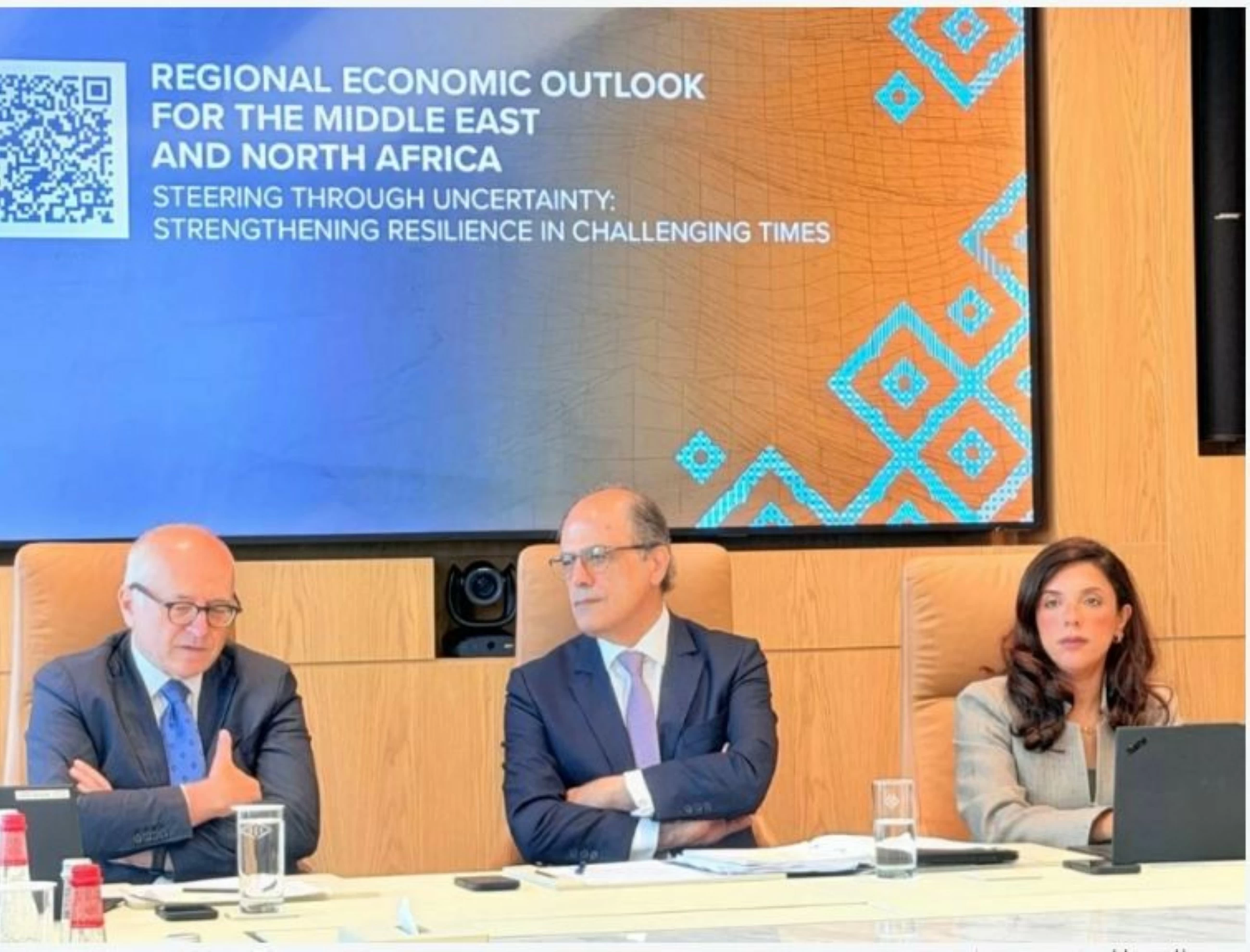
IMF Projects 7.7% Economic Growth for UAE by 2027
The economic outlook for the United Arab Emirates (UAE) is exceptionally promising, with forecasts indicating significant growth in the coming years. According to the International Monetary Fund (IMF), the UAE’s real Gross Domestic Product (GDP) is now expected to hit a remarkable 7.7% by 2027, building on a solid growth rate of 6.2% previously recorded.
Growth Drivers and Economic Diversification
The anticipated economic upswing is attributed to a number of key factors. One of the most notable is the UAE’s strategy of economic diversification, which has gained momentum in recent years. By reducing its reliance on oil, the nation has successfully transitioned toward a more varied economic landscape, embracing sectors such as tourism, technology, and renewable energy. Initiatives aimed at bolstering foreign direct investment (FDI) also play a crucial role in this trajectory, attracting international businesses and talent.
Furthermore, infrastructural development within the UAE acts as a catalyst for growth. With projects ranging from state-of-the-art transportation systems to modern commercial hubs, the country is becoming increasingly appealing to investors. Major initiatives like Expo 2020 and the ongoing development of smart cities are integral to the ongoing economic transformation, fostering an environment ripe for innovation and entrepreneurship.
Impact of Global Economic Trends
In addition to domestic factors, global economic trends significantly influence the UAE’s growth. The resilience of international markets, coupled with the increasing demand for goods and services, positions the UAE favorably on the world stage. As global trade resumes following pandemic-induced slowdowns, the UAE stands to benefit from enhanced trade routes and partnerships, particularly with its strategic location between East and West.
Moreover, fluctuations in oil prices remain a pertinent factor affecting the UAE’s economy. While recent forecasts suggest stability, the diversification efforts undertaken by the government have equipped the country to better weather potential market changes. With an agile economy, the UAE is poised to adapt to shifts in energy consumption trends, ensuring long-term sustainability.
Future Challenges and Opportunities
Despite the promising growth projections, the UAE’s economic journey is not without challenges. The nation must navigate issues like labor market dynamics, regulatory frameworks, and adaptation to technological advancements. The focus on sustainable development also necessitates careful planning and investment to ensure environmental stability.
Nevertheless, these challenges present opportunities for growth. The UAE’s proactive approach to innovation—such as advancing in artificial intelligence and eco-friendly initiatives—positions it as a leader in the region. Furthermore, nurturing a skilled workforce and attracting global talent will be essential in maximizing the benefits of emerging sectors.
Conclusion: A Bright Economic Horizon
In summary, the UAE’s economic future appears highly promising, bolstered by comprehensive strategies for diversification and growth. The IMF’s forecast of a 7.7% increase in real GDP by 2027 reflects the nation’s resilience and adaptability in a changing global landscape. By leveraging infrastructure development, staying attuned to global economic shifts, and tackling challenges head-on, the UAE is well-equipped to sustain its upward trajectory and reinforce its position as a vital economic hub in the region.