
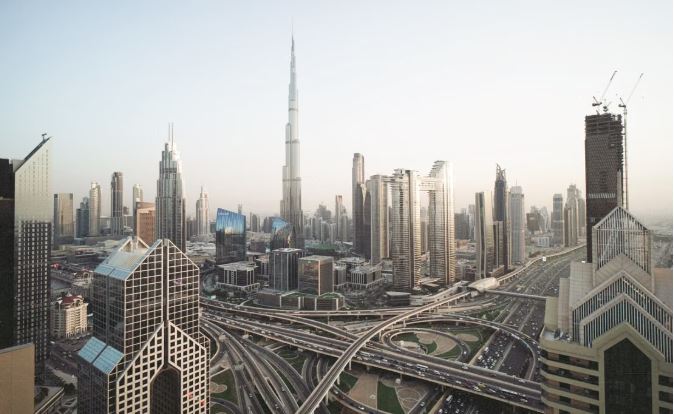
Dubai’s Tech Potential: Innovations in Smart City Business
Dubai is rapidly transforming into a smart city, thanks to its substantial investments in technology. This shift not only enhances urban living but also opens up new business avenues across various sectors, including artificial intelligence (AI), real estate, transportation, construction, and energy management. As the city enhances its digital infrastructure, firms are leveraging these advancements to offer better services, minimize operational expenses, and innovate their product lines.
The Role of AI and Digital Solutions in Business Expansion
Artificial intelligence is becoming a significant element of Dubai’s commercial environment. Enterprises are integrating AI to automate repetitive tasks, analyze data, boost customer service, and expedite decision-making. This presents numerous opportunities for tech startups and established companies specializing in AI software, cloud services, cybersecurity, and business automation. Small to medium-sized businesses can also reap the benefits, becoming more efficient and reducing manual workloads. Supported by innovation hubs and developmental programs, Dubai’s startup ecosystem is fostering entrepreneurs in testing and launching cutting-edge ideas.
Innovations in Real Estate with Smart Building Technology
Technology is revolutionizing Dubai’s real estate market. Developers and property managers are increasingly adopting smart building systems that monitor energy consumption, enhance security, and improve facility management. Digital tools, such as property management platforms and virtual property tours, are creating a fertile ground for businesses in PropTech. These innovations enable developers to manage operating costs effectively, while offering superior living experiences for residents. This presents a growing market for software developers, sensor manufacturers, and connected device providers.
Investment Opportunities in Transportation and Construction
Dubai’s ambition to enhance autonomous transportation and urban mobility is presenting fresh investment opportunities. Businesses specializing in transportation tech, traffic management, electric mobility, and connected infrastructure stand to gain as the city rolls out more tech-driven services. In the construction sector, digital design tools, automation, and smart monitoring systems are streamlining project management, helping firms mitigate delays and optimize material usage. As Dubai continues expanding its residential, commercial, and infrastructural projects, the need for these advanced solutions becomes increasingly critical.
Emphasizing Energy Efficiency in Smart City Initiatives
Sustainable practices are becoming paramount in Dubai’s smart city agenda, particularly concerning energy and water management. Technologies like smart meters, automated building controls, and energy monitoring systems enable businesses to identify inefficiencies and cut utility expenses. Companies developing renewable energy solutions, energy-efficient cooling systems, and advanced water management technologies are likely to find growing demand as the city prioritizes sustainable development.
Overcoming Challenges in Technology Adoption
Despite the vast potential of smart city technologies, businesses face challenges such as the need for investment, skilled personnel, and reliable digital infrastructures. Cybersecurity concerns also come into play, requiring companies to ensure that new technologies integrate seamlessly with existing systems. For smaller businesses, the high upfront costs of adopting advanced technologies can present significant barriers. Hence, affordable solutions, access to financing, and collaborations with technology providers are crucial to fostering broader adoption.
In conclusion, Dubai’s evolution into a smart city is paving the way for innovation across various sectors. Startups, construction firms, property managers, and service providers can capitalize on these opportunities by crafting practical solutions for urban challenges. As the city commits to enhancing its digital framework, the demand for technologies that streamline operations, cut costs, and elevate urban service reliability will only increase. The focus for businesses will not only be on advanced technology development but also on making these solutions practical, affordable, and accessible to a diverse customer base.