
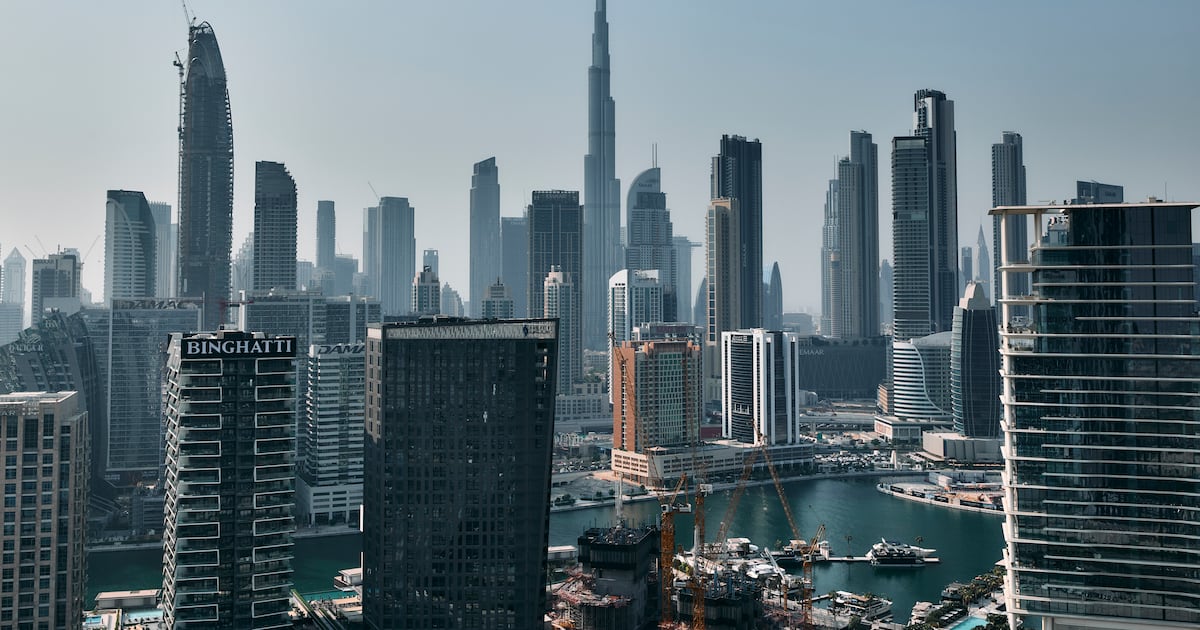
Dubai’s economy hits Dh473bn in H1 2026 amid sector growth.
Dubai’s economy has demonstrated resilience amid challenging circumstances. Despite a slight decrease in total income during the first half of 2026, strategic growth in key sectors has helped mitigate losses. The emirate’s financial services, healthcare, and construction industries continue to play significant roles in maintaining economic stability, even as external factors impact overall growth.
Economic Overview
In the first half of 2026, Dubai’s economy reached Dh473 billion, marking a 2.3 per cent decline from Dh484 billion in the same period the previous year, according to the latest data from the Dubai Data and Statistics Establishment. Although the Gross Domestic Product (GDP) at current prices saw a modest increase of 0.2 per cent to Dh505 billion, this indicates that several sectors are experiencing growth, providing a silver lining to an otherwise lackluster economic performance.
The downturn can be attributed to the ongoing conflict in Iran, which has disrupted regional travel and trade. These disruptions have significantly affected Dubai’s tourism and transport sectors, hindering economic vitality in the first half of the year. While the first quarter of 2026 witnessed a 2.4 per cent annual growth, the subsequent months have revealed the vulnerabilities tied to geopolitical uncertainty.
Sector Performance
Among the sectors showing robust performance is the financial and insurance industry, which expanded by 8.8 per cent in real terms, contributing Dh65.9 billion to the economy. This marks an increase in its GDP contribution from 12.5 per cent to 14 per cent. The Dubai International Financial Centre continues to thrive, attracting over 10,000 companies, thereby solidifying its status as a global financial hub.
Healthcare and social activities emerged as the fastest growing sectors, expanding by an impressive 14.3 per cent. Information and communication industries also recorded growth, increasing by 2.7 per cent. Meanwhile, construction contributed Dh33.2 billion, reflecting a real terms growth of 2.4 per cent, while government services expanded by 2.9 per cent. However, contraction was noted in wholesale and retail trade, down by 6 per cent, despite it remaining Dubai’s largest economic activity, providing 20.5 per cent of GDP.
Looking Ahead
While challenges persist, economic leaders are optimistic about Dubai’s adaptability. Helal Almarri, director general of the Dubai Department of Economy and Tourism, emphasized that the emirate’s economic performance showcases its ability to navigate global uncertainties. The outlook remains hopeful, with plans for Dh2.1 trillion in projects focusing on housing, aviation, and transport, including the expansion of Al Maktoum International Airport.
In addition, Dubai CommerCity has announced a significant Dh1.8 billion expansion aimed at enhancing its digital commerce sector and attracting technology investments. These initiatives underscore Dubai’s commitment to sustainable growth, with the D33 economic agenda set to solidify its position as a leading business and investment center globally.
To further bolster economic resilience, Dubai has introduced a Dh1.5 billion relief package aimed at supporting businesses affected by regional disruptions. The emirate’s focus on strategic sectors highlights strong economic fundamentals, signaling a purposeful approach to long-term development amidst a complex global landscape.