
Dubai grants building owners a year to meet shared housing rules.
In a significant move to enhance the living conditions in Dubai, landlords have been granted a year to comply with newly established regulations for shared accommodation. This initiative is part of a broader strategy aimed at addressing overcrowding and unauthorized subletting in the emirate, especially as the population continues to surge.
Rising Population and Housing Challenges
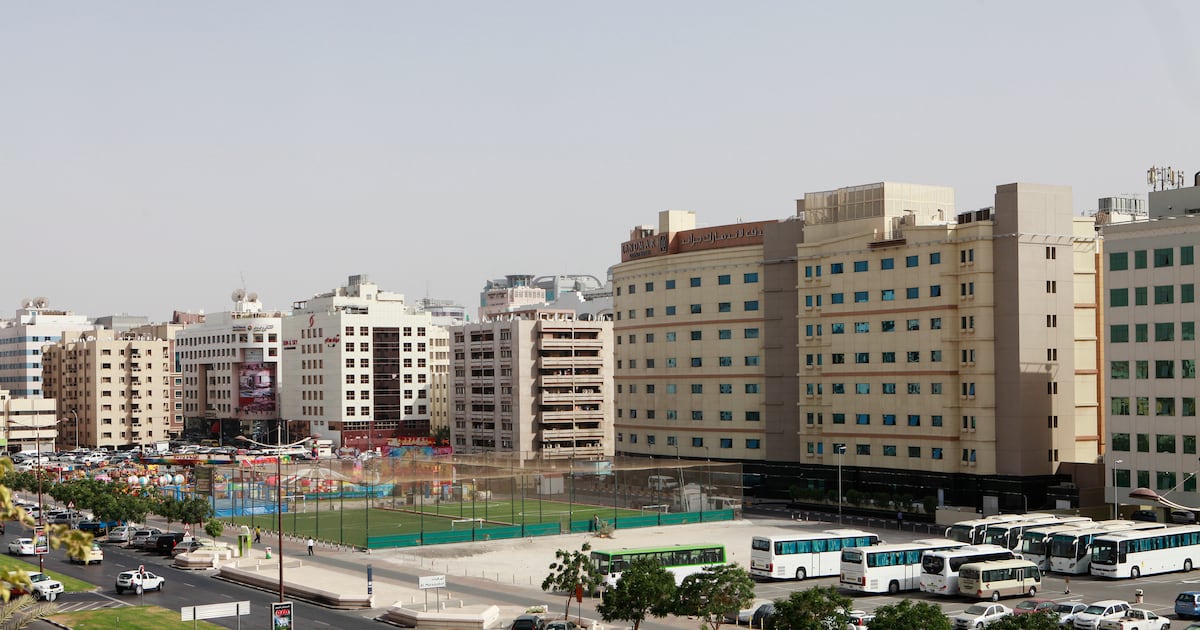
Dubai is experiencing a remarkable population growth, with over 200,000 newcomers arriving this year alone, a trend that persists despite external conflicts, such as the situation in Iran. To manage this influx, the city has identified more than 40 areas designated for shared housing solutions. Most of these approved zones are located away from prominent tourist attractions and include neighborhoods like Al Souq Al Kabeer, Al Barsha 1, and Al Rigga. These areas are expected to facilitate affordable living arrangements for many residents.
The growing trend of shared accommodations aims to provide economical housing options; however, concerns arise when residential spaces are overcrowded beyond intended limits. For instance, a two-bedroom apartment might become a makeshift dormitory, with makeshift divisions creating sleeping quarters in living rooms and balconies, ultimately straining essential facilities and compromising safety.
Establishing Standards for Shared Living
The Dubai Municipality has introduced a guide that sets forth crucial standards for shared accommodations. This comprehensive document outlines requirements related to building designs, occupancy rates, health and safety protocols, and the allocation of common facilities. By implementing these regulations, the authorities aim to safeguard the rights and well-being of both property owners and residents. Legal expert Ahmed Elnaggar emphasizes that various property types could qualify for shared housing, including residential apartments and mixed-use buildings.
The issue of unauthorized partitioning has become widespread across the city, prompting property managers and leasing businesses to pay close attention to compliance. Taimur Khan, a specialist in property research, asserts that enforcement efforts will primarily focus on specific properties rather than entire neighborhoods, highlighting the importance of asset quality.
Compliance Timeline for Property Owners
Landlords are required to align their properties with the new standards within one year from the effective date of September 8, 2026. This period presents an opportunity for property owners and management companies to assess their accommodations and undertake necessary adjustments to meet the regulations. With stringent penalties for non-compliance—fines ranging from Dh500 to Dh500,000 and potentially greater penalties for repeat violations—many anticipate a proactive approach within the property market leading up to the deadline.
Additionally, to operate as shared housing, buildings must acquire the necessary permits through the Build in Dubai platform. Authorities stress that guidelines are accessible to help property owners, ensuring compliance with planning, safety, and health regulations for shared living environments. The goal is not only to maintain safety and compliance but also to foster awareness and protect the community’s rights and public health.
In conclusion, these new shared accommodation regulations are a vital step toward improving housing standards in Dubai, resulting in a more organized approach to urban living and promoting a safe, healthy community. The successful implementation of these guidelines will significantly contribute to managing the growing population while enhancing the overall living experience in one of the world’s most vibrant cities.