
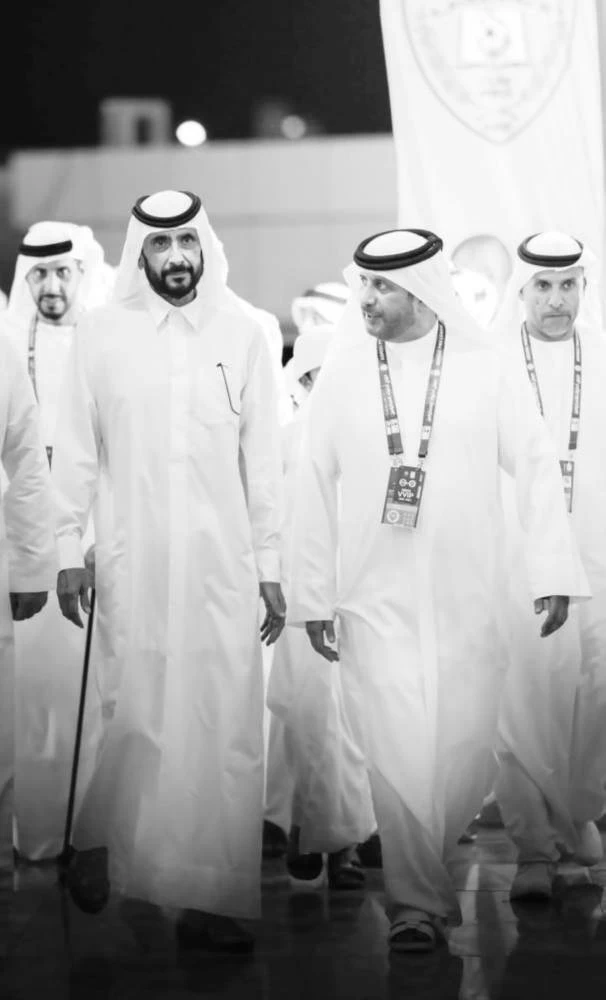
Ahmed bin Rashid: Enduring Impact on Dubai’s Economic Leadership
The late Sheikh Ahmed bin Rashid Al Maktoum was an influential figure in shaping Dubai’s economic landscape. His contributions extended well beyond mere investments, encompassing diverse sectors that collectively forged the emirate’s growth over the years.
Pivotal Role in Real Estate Development
Sheikh Ahmed’s impact in the real estate sector is particularly noteworthy. He served as the chairman of ARM Holding and had strong ties with the Dubai Real Estate Centre, which was established in 1991. Under his leadership, this center transformed into a robust portfolio of both residential and commercial properties, meeting the increasing demands of a burgeoning city. His investments were not merely about asset accumulation; they evolved in tandem with Dubai’s transformation into a dynamic urban hub, characterized by a significant need for homes, offices, and services.
Moreover, Sheikh Ahmed’s leadership at ARM Holding diversified its investment focus to span various sectors, including hospitality, banking, telecommunications, and emerging industries like health technology and fintech. This diversification reflects a pivotal shift in Dubai’s investment strategies, moving from traditional sectors to include advancements that connect property with modern urban needs.
Building Integrated Investment Platforms
Sheikh Ahmed’s approach to investments represented a broader transformation within Dubai, aiming to convert local assets into multifaceted investment vehicles. His responsibilities included fostering an integrated approach that linked real estate growth with hospitality, services, and technology. Throughout the decades, he played a crucial role in shaping Dubai’s infrastructure and communities, embodying the ambition to develop a versatile economy.
His legacy persists in the form of real estate projects initiated in the early 1990s, which evolved into platforms that connect sectors like culture, education, and urban living. These initiatives are testaments to Dubai’s intent to cultivate a vibrant community that goes beyond mere infrastructure, focusing on enhancing quality of life while preserving cultural heritage.
A Commitment to Community and Social Value
Sheikh Ahmed’s vision also illuminated the significant role of private capital in social and economic development. As Dubai thrived, the functions of private investors transitioned from mere financial returns to collaborative partnerships aimed at enhancing community welfare. His investments often encompassed projects that supported education, culture, and local communities, demonstrating a commitment to sustainable development.
His philosophy emphasized that true value lies not just in financial returns but also in fostering community vibrancy and resilience. For Sheikh Ahmed, investment extended beyond physical assets; it included the collective well-being of residents and preserving the cultural fabric of Dubai. This holistic approach to investment has become increasingly relevant as global cities strive for sustainable growth models, centering on quality of life and social equity.
Legacy of Leadership and Humility
The remembrance of Sheikh Ahmed is not solely grounded in his economic contributions but is also reflected in the way he led. Many in Dubai’s business community paid tribute to his dedication, humility, and the profound impact he had on the lives of those around him. His vision included not just the growth of the economy but also nurturing talent and fostering a culture of hard work, loyalty, and community service.
Sheikh Ahmed’s legacy resonates through the institutions he helped establish, illustrating a career marked by breadth rather than limitation. His commitment to integrating sport, security, and economic development has left an indelible mark on Dubai, allowing his contributions to flourish long after his passing. His life serves as an example of how genuine leadership and vision can drive a city toward a brighter, more prosperous future.