
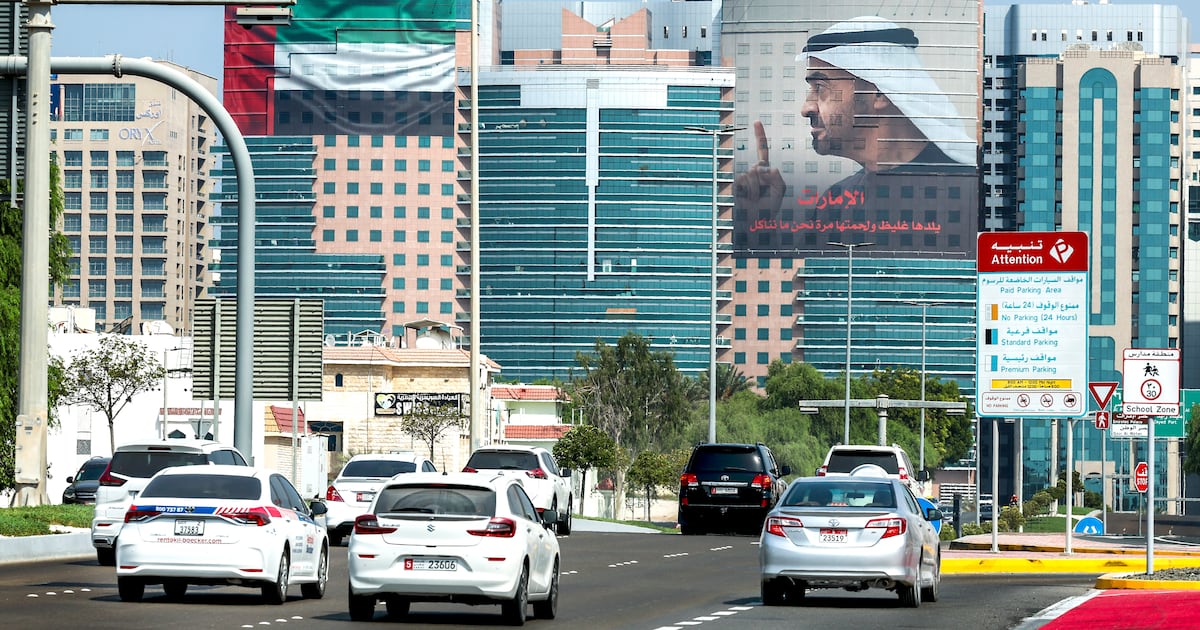
Abu Dhabi and Dubai Recognized as Emerging Global Hotspots
Abu Dhabi and Dubai Are Stepping Up on the Global Stage
A recent Global Cities Index report by Oxford Economics has highlighted Abu Dhabi and Dubai as vital players capable of transforming the global economic landscape. Alongside Riyadh, these two Emirati cities are positioned among the 28 “cities to watch,” showcasing their significant potential in the Middle East.
The Metrics of Success
Oxford Economics evaluated the selected cities based on five critical metrics: economics, human capital, quality of life, environment, and governance. This comprehensive analysis aims to reveal which cities have the most significant potential for global influence. For instance, five cities from Africa, including Accra, Cairo, and Nairobi, along with several notable locations in the Asia-Pacific region such as Bengaluru and Ho Chi Minh City, were also included in this elite list. This diverse selection indicates a broadening of global economic aspirations beyond traditional powerhouses.
The report emphasizes that these “dynamic contenders” are rapidly evolving markets, uniquely charting their own growth paths. According to Oxford analysts, these cities are becoming increasingly important to stakeholders and policymakers, reshaping the narrative of urban economic development. Liam Sides, the report’s lead author, notes, “Cities that perform well in one metric often excel in others,” indicating a strong interdependence within the success factors.
Dynamics Within the Gulf Region
Dubai has made significant strides, jumping nine places on the index to rank 42nd overall. Its impressive performance in human capital (finishing second) highlights its role in attracting skilled workers, while its economic ranking at 53rd underscores ongoing growth potential. Immigration reforms, such as the Golden Visa and retirement visa programs, are designed to attract higher-income individuals for long-term stays, enhancing the city’s appeal further.
On the other hand, Abu Dhabi has dropped 11 spots to 84th, showing a strong performance in human capital but lagging at 110th in economics. Notably, analysts indicate that the success of Abu Dhabi contributes significantly to the development of the wider UAE and Gulf region, underscoring the interconnected nature of their economies.
Riyadh’s Resilience and Growth
Riyadh has made remarkable progress, climbing 47 spots to reach 50th place overall, driven by notable advancements in both human capital and economics. This growth reflects the significant economic and social development taking place in the city. Furthermore, Riyadh’s ability to remain relatively insulated from geopolitical conflicts has allowed it to maintain a steady growth trajectory, aided by a strategy focused on diversification and targeted investments.
These three Gulf cities are increasingly solidifying their status on the global stage by attracting top-tier talent and innovative businesses. Despite ongoing geopolitical uncertainties, particularly due to the conflicts in the region, the combination of robust financial reserves and long-term growth strategies positions them favorably for future success.
In summary, while the current geopolitical landscape poses challenges, cities like Abu Dhabi, Dubai, and Riyadh are adapting effectively. Their focus on fostering a strong economy and improving quality of life continues to attract skilled professionals and innovative enterprises. As they build on their unique attributes and strengths, these cities are poised to play essential roles in the evolving global economy.