
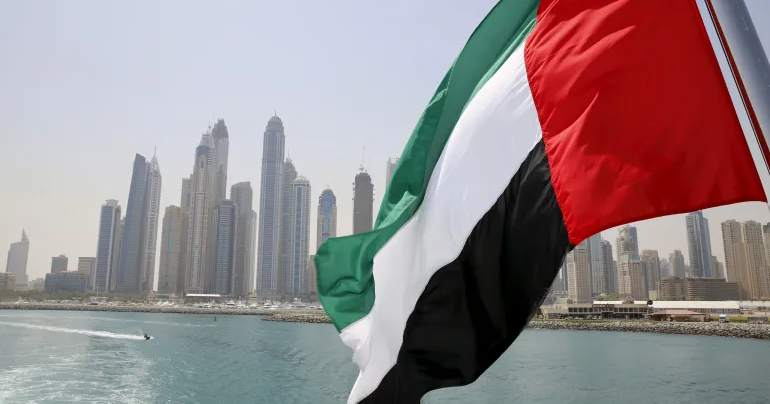
Washington’s economic conflict with Iran begins in Dubai, not Beijing.
The Iranian regime faces significant economic challenges as it struggles to maintain stability and generate hard currency. Essential funds are needed to bolster the rial, sustain military and security forces, and ensure timely payments for salaries, pensions, and subsidies. Increasing reports indicate that wages are months overdue, pension disbursements are delayed, and protests by workers and retirees are occurring almost daily. As the government grapples with these issues, the broader implications for its economy and relationships with other nations become increasingly pronounced.
Dependence on China and Challenges Faced
Iran’s reliance on China is precarious at best. Although China imports nearly all of Iran’s oil, it pays for these transactions in yuan, a currency that the Iranian government struggles to utilize effectively due to the ongoing trade blockade. While China provides essential goods and components for Iran’s weapons systems, these dealings are conducted under terms favorable to China, leaving Iran with funds that are often inaccessible for immediate spending. The relationship has proven to be less beneficial during crises, as the Iranian regime finds itself hamstrung by economic sanctions and limitations on trade routes. China’s private sector, which is deeply intertwined with global markets, remains wary of engaging with Iranian enterprises, exacerbating Iran’s financial woes.
The Role of the UAE in Iran’s Economy
To navigate these challenges, Iran relies significantly on the United Arab Emirates, particularly Dubai, as a conduit for international trade and financial transactions. Reports indicate that Iranian activities frequently pass through Dubai, utilizing front companies and brokers to facilitate trade without direct engagement with the wider world. This arrangement allows Iran to access much-needed hard currency while sidestepping certain restrictions. However, recent actions by the U.S. government, including moves to penalize banks like Banque Misr in the UAE, highlight the increasing scrutiny of these transactions. The Emirates’ suspension of trade with Iran, precipitated by rising tensions, could severely impact the regime’s ability to manage its economy.
Turkey and Iraq: Remaining Trade Channels
Despite the sanctions and trade halts, Turkey remains a critical avenue for Iranian commerce. The ongoing cross-border trade in petrochemicals and metals allows Iran to generate revenue in more flexible currencies. However, the landscape is changing as Turkish banks grow increasingly hesitant to conduct business involving Iran, especially following legal pressures and the freezing of Iranian assets. Concurrently, the Iran-Iraq border presents another exit point for Iranian crude oil, blended with Iraqi products to disguise its origin. Yet, as U.S. oversight tightens on Iraqi banking systems, these channels are becoming increasingly vulnerable to scrutiny.
The relationship between Iran and its neighbors has shifted dramatically in light of recent geopolitical developments. In response to aggressive actions by Iran, including missile strikes in the UAE, neighboring countries are reconsidering their financial ties. The result is a tightening grip on the last remaining routes through which the Iranian regime can maneuver its economy.
As the situation evolves, the significance of accessibility to hard currency and tangible imports becomes clear. The Iranian regime needs viable channels that can deliver the funds and goods necessary for its survival. The emphasis on maintaining these connections and the push for international pressure showcases a growing urgency for Iran, which is increasingly isolated as its previous partners reconsider their alliances. The focus is now on how effectively they can restrict Iran’s economic avenues, leading to a critical point where the regime’s dealings become unsustainable, and its economic challenges become insurmountable.