
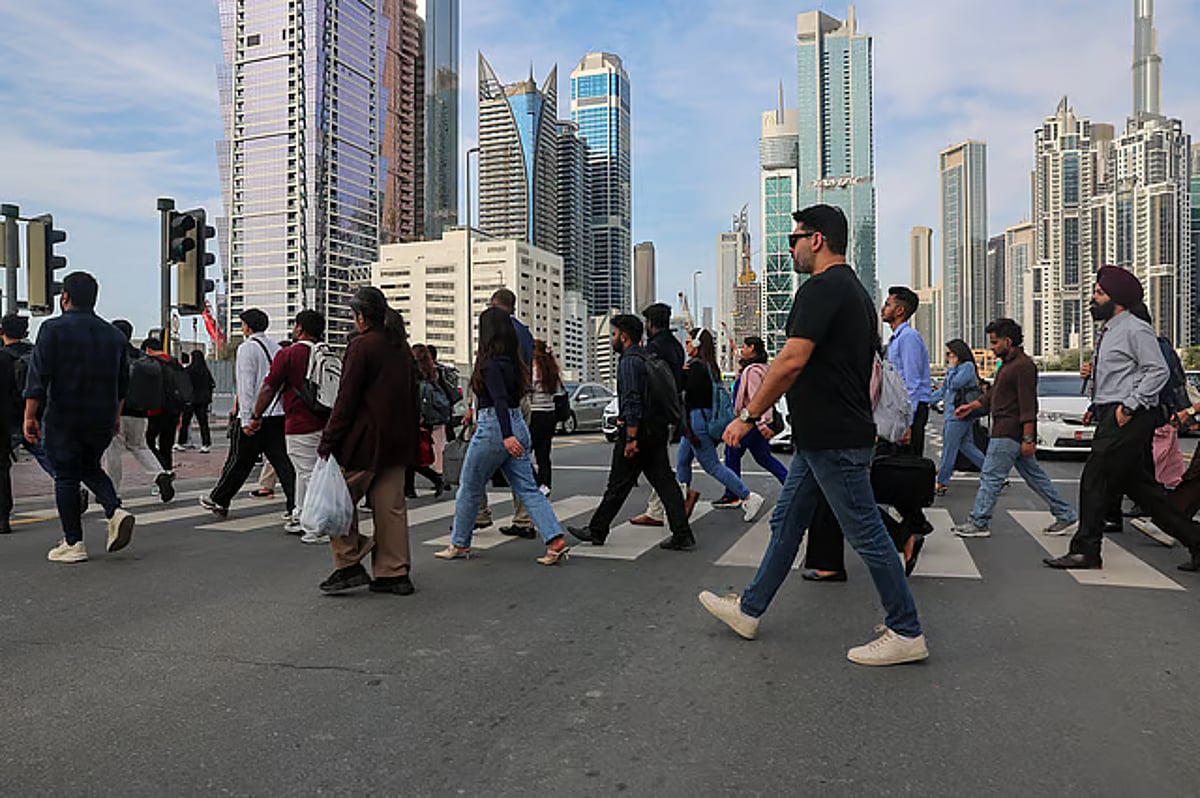
4.58 Million Residents, 6.39 Million Daytime Population, AI Census
Digital Dubai has announced a significant development in the emirate’s demographics, revealing that by the end of 2025, the resident population is projected to hit 4.58 million. This marks an increase of around 332,000 individuals, equating to a substantial growth rate of 7.5%. The data has been compiled using administrative records and sophisticated digital systems, rather than relying on traditional census surveys. This innovative approach aims to provide a clearer understanding of Dubai’s vibrant daily population.
Population Growth Insights
According to Hamad Obaid Al Mansoori, the Director General of Dubai Digital, this population growth is a pivotal step in Dubai’s vision of becoming a leader in digital governance. The initiative harnesses advanced technologies to develop an integrated digital ecosystem. Through the use of real-time data, government agencies can make more informed decisions, enhance services, and improve investment strategies, thereby paving the way for sustainable growth within the emirate.
The CEO of the Dubai Data and Statistics Establishment, Younus Al Nasser, also noted that these figures are indicative of Dubai’s strong economic trajectory and its appeal on the global stage. With a reported GDP growth of 5.4% in 2025 and an influx of 19.6 million international tourists, this growth underscores the flourishing labor market and the rising demand for various services in the region.
Modern Data Collection Methods
This new approach to population data is seen as a leap forward in demographic assessments. Instead of the traditional census conducted every few years, Dubai has implemented a continuous data integration system that connects records from various governmental entities through secure digital platforms. This innovative method utilizes artificial intelligence and predictive analytics to evaluate demographic trends and forecast future population growth, thereby aiding in planning for housing, healthcare, and transportation services.
Collaboration among various government departments, including the General Directorate of Residency and Foreigners Affairs and the Roads and Transport Authority, has been integral to this undertaking. These partnerships ensure that the data collected is comprehensive and reflective of Dubai’s dynamic population landscape.
Dubai’s Rapid Expansion
Dubai has emerged as one of the fastest-growing urban areas globally, fueled by its state-of-the-art infrastructure and business-friendly policies that attract international talent. The new real-time monitoring system is designed to keep pace with this rapid expansion, ensuring that public services and infrastructure can meet the rising demands of a growing population.
A glance at some pivotal numbers highlights the remarkable growth trajectory of Dubai. The resident population at the end of 2025 is expected to be 4.58 million, a noticeable jump from 4.25 million in 2024. Further, the average daytime population is estimated at around 6.39 million, showcasing the emirate’s bustling economic activity and vibrant social scene.
In conclusion, Dubai stands as a testament to the successful interplay of advanced technology and strategic planning in demographic management. The emirate’s ability to grow and adapt ensures that it remains a beacon of progress and opportunity in the region. As the city continues to develop, it sets the stage for continued prosperity driven by innovation and an inclusive approach to resource management.