
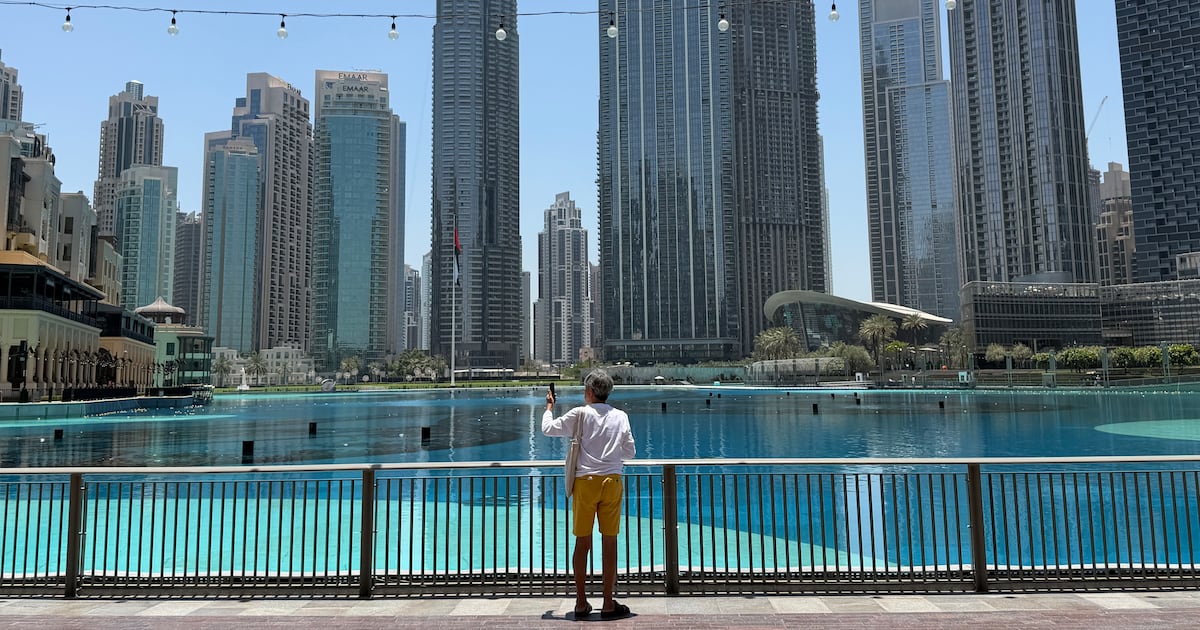
UAE Real Estate: “Is Dubai’s Property Surge Based on Perception?”
The perception of Dubai’s real estate market plays a significant role not just in property transactions but also in influencing lifestyle choices, safety, and overall quality of living. Potential buyers are often drawn to Dubai for more than just the physical properties; they are enticed by a lifestyle narrative that emphasizes convenience, luxury, and a vibrant global connectivity. However, any disruption to this narrative—be it economic, geopolitical, or social—can have substantial implications for market dynamics, including demand and pricing.
The Impact of External Factors on Dubai’s Image
Dubai has cultivated a majestic international reputation, built on its modern infrastructure, thriving business opportunities, and secure living conditions. Nevertheless, when unforeseen circumstances arise—such as conflicts or political instability—the allure of this narrative can waver, affecting potential buyers. Recent events such as tensions in neighboring regions have reportedly resulted in a noticeable decline in visitor numbers to key attractions like the Dubai Mall. Such shifts serve as a reminder that the market’s vibrancy is intricately tied to both perception and its underlying realities.
An insightful look at tourism reveals that this isn’t merely confined to real estate. Renowned hotels, including the iconic Burj Al Arab, have even paused operations for refurbishments to remain competitive. These challenges indicate that while the city continues to function, the collective perception can bear weight on tourism and investments, as individuals might reconsider travel plans or investment opportunities. Therefore, awareness of these changing narratives is crucial for potential buyers and investors.
Current Market Trends: Ready vs. Off-Plan Properties
In light of the existing uncertainties, many prospective investors are increasingly leaning towards purchasing ready properties instead of off-plan developments. This inclination is understandable, as completed properties provide immediate utility—whether for personal residence or rental income—eliminating the anxieties associated with construction timelines and market conditions at completion. Buyers seek to minimize their risk exposure and prefer tangible assets.
However, this doesn’t imply that off-plan opportunities should be entirely disregarded. Established developers with robust portfolios are still presenting attractive off-plan projects. Many have revised their payment structures, offering incentives like waivers on certain fees or guaranteed returns on investment. Current market conditions can still yield valuable prospects for discerning investors willing to conduct thorough research.
The Necessity of Due Diligence in a Shifting Landscape
In today’s fluctuating environment, uncertainty does play a critical role in shaping buyer behavior. Delays in project delivery, which may have felt acceptable during prosperous markets, now raise red flags—leading buyers to demand concrete proof of credibility from developers. Buyers today are more cautious, often seeking assurances that could tip the balance toward immediate investments in ready properties.
However, regardless of the type of property—whether readily available or still under construction—investors should conduct comprehensive due diligence to ensure their choices fulfill both immediate and long-term criteria. It is essential that properties make sense not solely based on future projections but have inherent value today. This careful approach could safeguard investments against shifts in the market or external factors that may impact perceptions in the future.
In conclusion, Dubai’s real estate market remains a dynamic space influenced significantly by perception. While challenges may arise, both buyers and investors can navigate these changes by focusing on reliable opportunities and conducting meticulous research. Staying informed and adaptable will empower individuals to make prudent decisions amid ongoing shifts in the landscape.