
UAE Restarts Trade Across Gulf with Iran
The ongoing conflict in the Gulf region, which began on February 28, has imposed significant disruptions on the trade dynamics of the United Arab Emirates. This situation highlights the interconnectedness of global economies and how geopolitical events can have far-reaching consequences on trade and commerce.
Impact on UAE’s Trade Operations
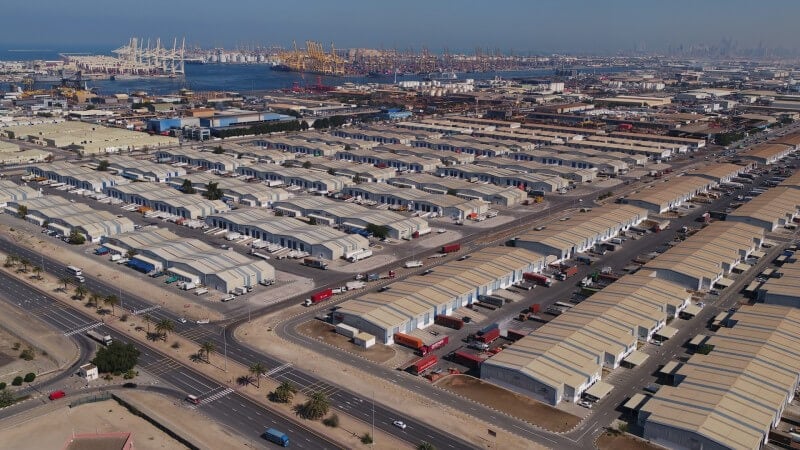
The escalation of hostilities has led to unforeseen consequences for trade within the UAE, specifically in vital sectors such as logistics and shipping. Key ports, including the renowned Jebel Ali port, have faced operational challenges, leading to delays in cargo handling and an increase in shipping costs. As the conflict intensifies, businesses reliant on timely deliveries confront mounting obstacles, which can strain supply chains and disrupt regional trade networks.
Companies are now reevaluating their logistics strategies to adapt to the changing environment. Many are seeking alternative shipping routes or adjusting their inventory management practices to mitigate the impact of delays. This shift underscores the importance of flexibility and resilience in modern supply chain management, particularly in regions prone to geopolitical tensions.
Changes in International Trade Relations
The repercussions of the Gulf conflict extend beyond the borders of the UAE, affecting international trade relations as well. Neighboring countries and trade partners are closely monitoring the situation, making adjustments to their import and export strategies accordingly. For instance, nations such as Saudi Arabia and Oman, which have historically been key trading allies, are likely reassessing their engagement strategies with the UAE in light of the unfolding crisis.
Furthermore, the uncertainty surrounding the UAE’s trade policies may have long-term implications for foreign investments. Businesses may choose to hold off on entering the market until stability is restored, which could hinder economic growth in the region. As global trade dynamics evolve, the UAE will need to navigate these challenges carefully to maintain its status as a prominent trade hub.
Long-term Strategies for Recovery
To rebound from the disruptions caused by the conflict, stakeholders in the UAE’s economy must prioritize long-term strategies that enhance trade resilience. Investment in technological advancements and smart logistics systems can significantly improve operational efficiency. Furthermore, fostering regional partnerships and diversifying trade routes will help mitigate risks associated with geopolitical instability.
Additionally, the UAE government may need to introduce policies that bolster the trade sector, offering incentives for companies to invest in contingency planning and crisis management. By emphasizing innovation and adaptability, the UAE can strengthen its position as a critical player in the global trade landscape, even amid ongoing disturbances.
In conclusion, while the Gulf conflict has undoubtedly posed challenges for the UAE’s trade, it also presents an opportunity for reevaluation and growth. By focusing on resilience and strategic adaptations, the UAE can navigate through the crisis and emerge stronger in its global trade endeavors. It is essential for businesses and policymakers to collaborate closely in order to ensure a stable and prosperous trading environment for the future.