
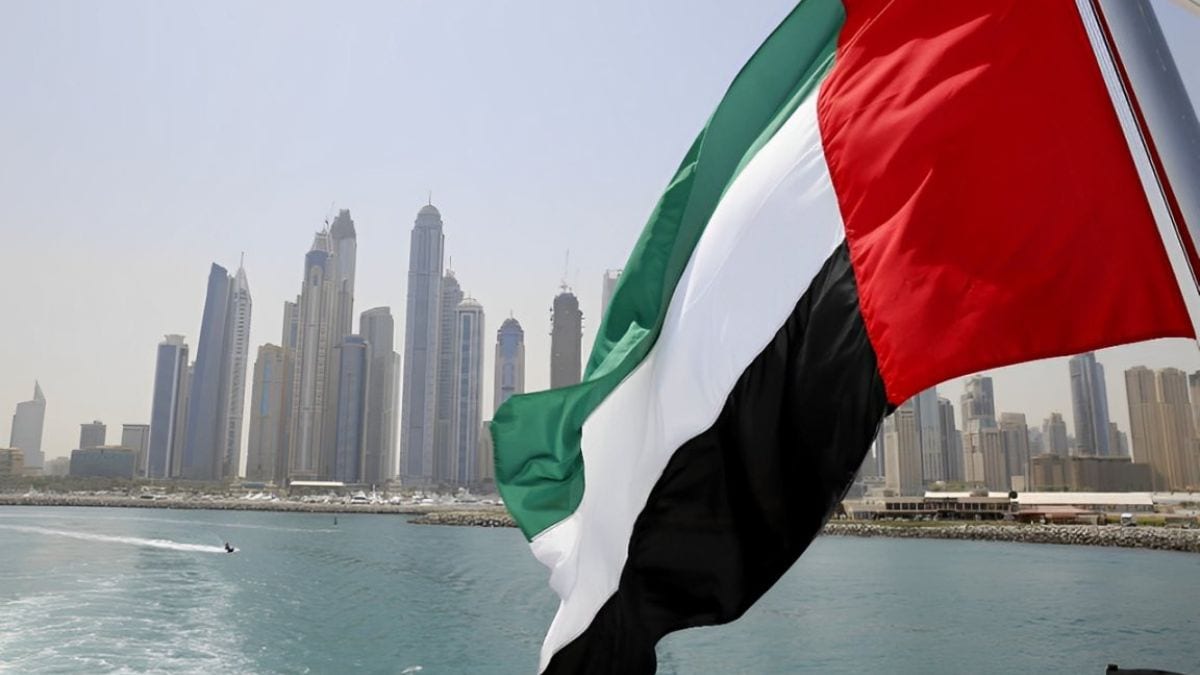
Dubai Real Estate: New Home Completions Increase by 38% Amidst Economic Slowdown
Dubai’s residential property market has demonstrated remarkable resilience, even amidst geopolitical tensions that have cooled transaction activities. In the first half of 2026, the city saw the completion of over 24,800 new homes, reflecting a significant 38 percent boost compared to the same timeframe the previous year. This surge signals a robust demand for housing, highlighting the market’s capacity to adapt and thrive despite external challenges.
Market Trends and Transaction Dynamics
While the overall market has experienced fluctuations, with a 55 percent decline in transaction values between December 2025 and May 2026, the full scope of the residential environment tells a more complex story. During this interval, the number of delivered-property deals decreased by 49 percent, and off-plan sales fell by 58 percent. Even though these figures indicate a temporary dip, they do not overshadow the long-term potential of Dubai’s real estate sector.
According to a report by Cavendish Maxwell, a leading property consultancy in the Middle East, a total of 28,000 homes were launched across 124 developments in the first half of this year. This marks a significant decrease compared to the 102,000 units launched across 410 projects during the same period in 2025. Such trends suggest that while the pace of new developments may be slowing, it reflects a strategic recalibration rather than an outright decline in market interest.
The Dominance of Off-Plan Sales
Interestingly, off-plan sales continue to dominate the residential market, accounting for nearly 75 percent of total transactions. The value of residential sales reached an impressive AED 221.4 billion ($60.3 billion) during the first half of the year. These figures confirm the enduring allure of off-plan properties, which generally offer buyers greater flexibility and potential for appreciation as developments progress.
Ronan Arthur, the director and Head of Residential Valuations at Cavendish Maxwell, noted that Dubai’s residential market is entering a new phase following an unprecedented surge of activity in the prior two years. The fundamental drivers that underpin real estate demand in the emirate remain strong. However, the near-term outlook is influenced by a mix of factors like a reduction in new launches, regional uncertainties, and a generalized normalization in buyer activity. These elements are forecasted to impact transaction volumes and pricing strategies in the coming months.
Popular Property Types and Locations
Despite the shifting dynamics, apartments have emerged as the most favored property type, comprising about 84 percent of transactions across both off-plan and finished markets. The off-plan apartment market sees Dubai South leading with 7,306 units, followed by Dubai Residence Complex with 3,408 units, and Jumeirah Village Circle with 3,055 units. In contrast, the most sought-after locations for ready apartments include Jumeirah Village Circle, which boasts 1,812 transactions, and Business Bay, recording 1,065.
In summary, while the Dubai residential market is navigating through a transitional phase marked by reduced activity, it remains fundamentally strong. The statistics indicate a resilient environment fueled by ongoing demand, particularly for off-plan properties. As the market adjusts to the current climate, investors and homebuyers should remain optimistic about the potential growth and evolving opportunities within this vibrant sector.