
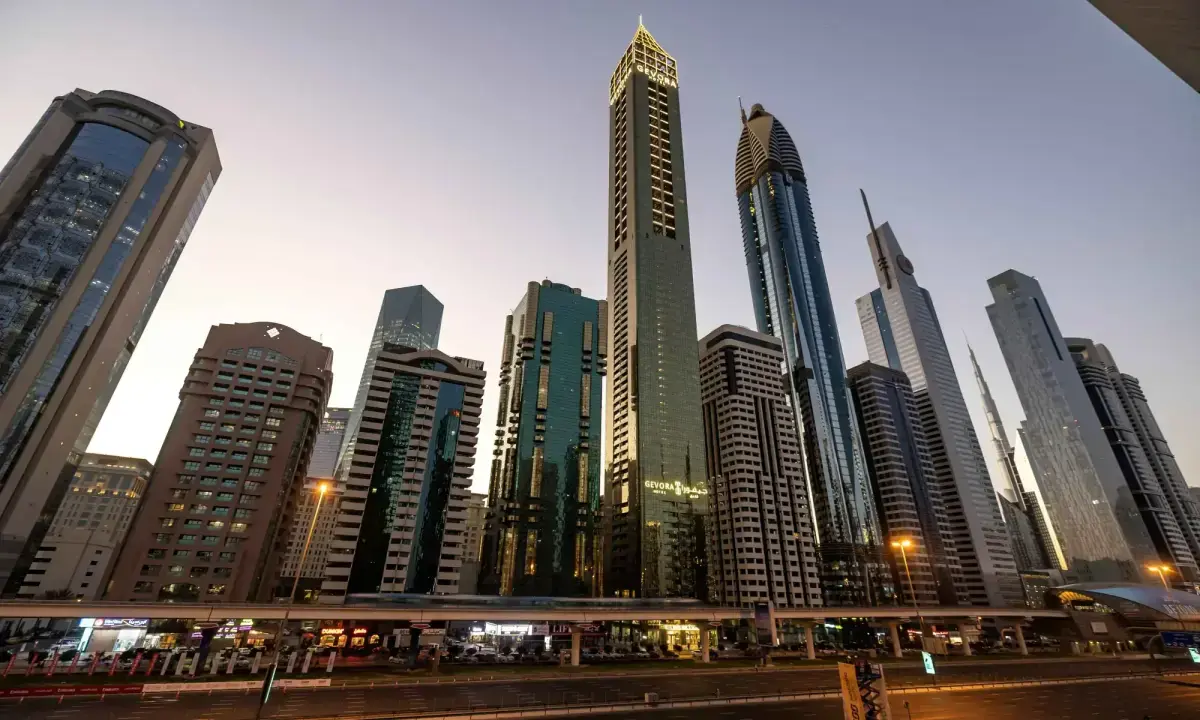
Residents Benefit from Slowdown in Dubai Real Estate Market – Newspaper
Dubai’s real estate landscape is undergoing significant shifts as residents navigate a fluctuating market. A year after relocating, Steve found himself in a refreshed rental situation, moving to a larger apartment at a 15% reduction in rent. This change comes amidst a cooling property market influenced by regional tensions. Steve’s experience highlights the evolving dynamics of Dubai’s real estate, which is a critical component of its economic framework.
The Impact of Regional Conflicts on Real Estate
Steve’s transition to a new apartment wasn’t just a matter of personal preference; it mirrored broader trends in the Dubai property sector. Initially, when he arrived, securing housing was a battle due to soaring rents, a direct outcome of increased demand from affluent individuals drawn to Dubai’s vibrant lifestyle. However, the recent escalation of hostilities, particularly following the US-Israel conflict with Iran, has created uncertainty in the market. Notably, even revered landmarks like the Burj Al-Arab faced scrutiny as potential targets, impacting investor confidence.
Real estate agents have observed shifts in sentiments among prospective buyers and renters. The ongoing turbulence has led some to believe that it could be an advantageous moment to invest, albeit with cautious optimism. Clients remain engaged in the market, but negotiations have become more flexible, suggesting a notable shift from the previously dominant seller’s market to one that favors buyers.
Market Trends and Price Adjustments
Recent reports indicate that Dubai’s property prices have seen declines ranging from 5% to 20%, depending on specific locales. This trend marks a noteworthy departure from the appreciation of about 82.9% seen since 2021. Such figures underscore the shifting landscape, with analysts emphasizing that significant price corrections are taking root across various market segments. Interestingly, while the luxury sector has faced particular challenges, developers like Emaar view the future with optimism, recently announcing ambitious projects aimed at attracting tens of thousands of new residents.
Meanwhile, the luxury market remains resilient, with notable transactions still occurring. Binghatti, a key player in the sector, recently recorded sales of high-value luxury apartments, illustrating that despite an overall downturn, there remain opportunities for high-end investments. The Betterhomes agency reported a 45% drop in transaction values comparing year-on-year figures, demonstrating the wider market’s volatility.
Future Outlook: Cautious Optimism Amidst Uncertainty
While the present climate showcases a cautious outlook, some real estate executives are beginning to witness an uptick in demand. Richard Waind, CEO of a notable real estate company, has highlighted early signs of recovery, with increased buyer activity noted in recent months. As the situation in the region stabilizes, there exists potential for resurgence in the property sector.
In summary, while the Dubai real estate market faces headwinds from external factors, the foundations remain strong. The changes observed in rental and property prices present opportunities for savvy buyers willing to navigate this complex landscape. As Dubai continues to assert itself as a premier global destination, adjusting to its evolving real estate dynamics will be crucial for both investors and residents alike.