
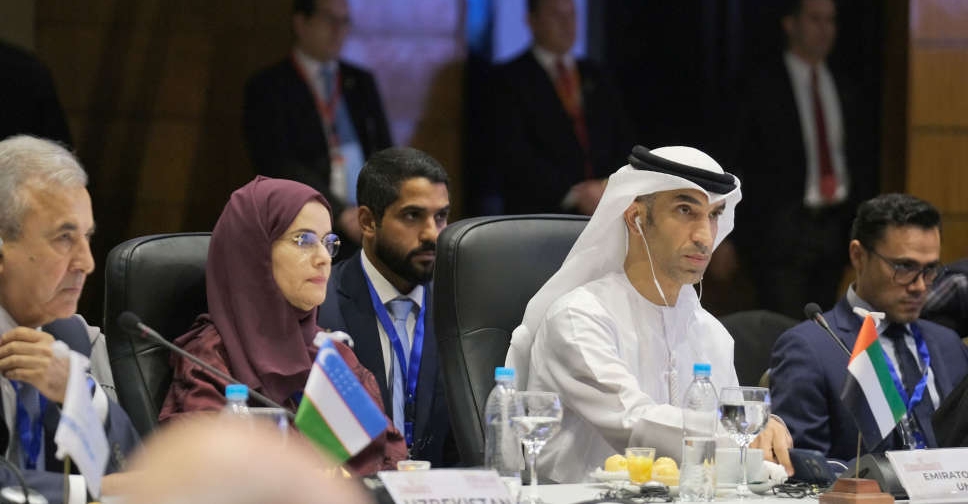
UAE Advocates for Trade Agreement at Mercosur Summit
The UAE is intensifying its efforts to bolster economic relationships with the Mercosur trading bloc in South America. This strategic move aims to pave the way for a significant trade agreement that could enhance collaboration between the regions, opening up new avenues for trade and investment.
Commitment to Economic Collaboration
The United Arab Emirates has long recognized the importance of diversifying its trade partnerships globally. By engaging with Mercosur, which includes Argentina, Brazil, Paraguay, and Uruguay, the UAE seeks not only to expand its market reach but also to tap into the vast resources and emerging opportunities in South America. This partnership reflects the UAE’s commitment to forging economic alliances that can lead to mutual growth and sustainability.
Potential Trade Benefits
A trade agreement with Mercosur could yield significant benefits for both parties. For the UAE, South America represents a market ripe with potential—offering everything from agricultural products to natural resources. On the other hand, Mercosur members stand to gain from the UAE’s expertise in tourism, finance, and technology. This partnership could help enhance the competitiveness of both regions in the global market by facilitating easier access to goods and services.
Strategic Initiatives for Enhanced Partnership
To strengthen this budding relationship, the UAE government has initiated various strategic dialogues and trade fairs aimed at showcasing investment opportunities in both regions. These events serve as platforms for business leaders and policymakers to discuss potential collaboration areas, share best practices, and establish networks that could lead to fruitful partnerships. By prioritizing this dialogue, both the UAE and Mercosur can create a framework that fosters sustainable economic growth.
Looking Ahead: The Future of UAE-Mercosur Trade Relations
As negotiations for the trade agreement progress, stakeholders remain optimistic about the potential outcomes. The UAE’s focus on diversification aligns with Mercosur’s ambitions to expand its influence in the global marketplace. Together, they can address challenges posed by changing global trade dynamics and shifting economic landscapes. This partnership could serve as a model for other nations seeking to establish similar alliances, demonstrating that economic cooperation can transcend geographical barriers.
In conclusion, the UAE’s engagement with the Mercosur alliance is a forward-thinking strategy aimed at building robust economic ties that will benefit both parties. Through constant dialogue and strategic initiatives, this partnership has the potential to unlock new trade pathways and enhance economic resilience in an ever-evolving global economy.