
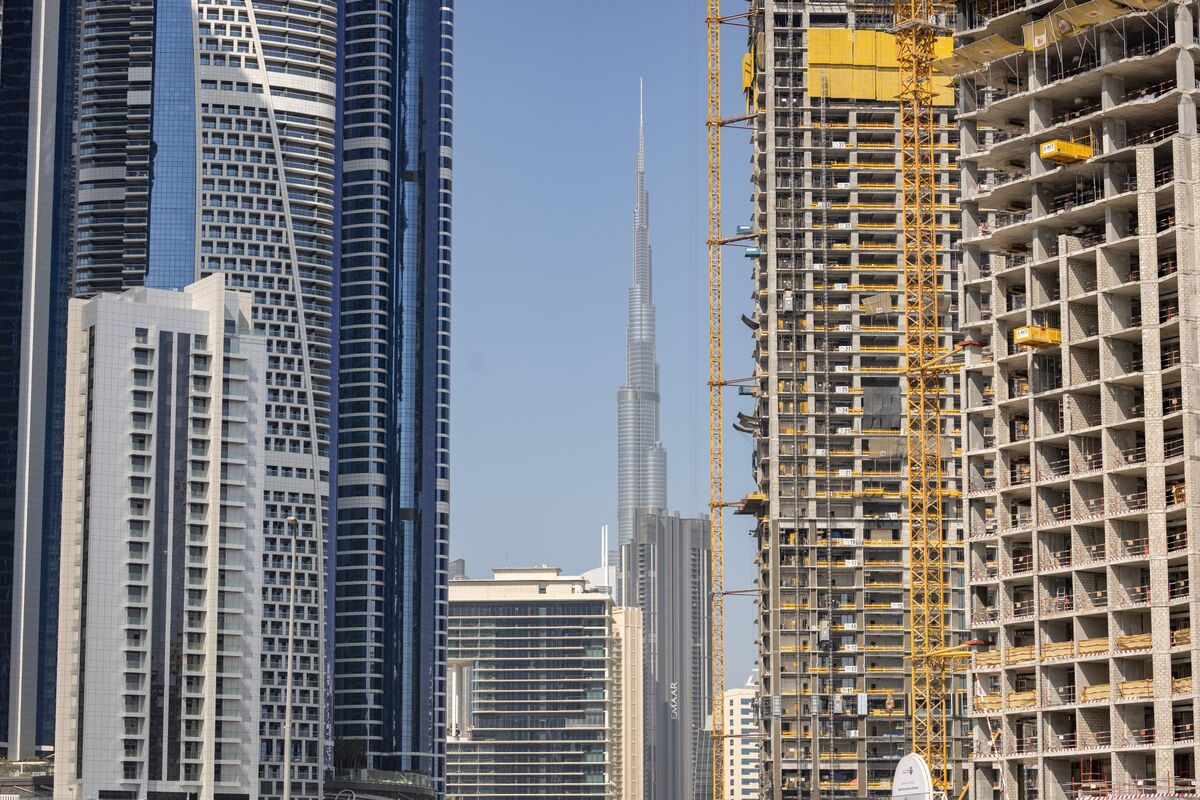
Conflict Poses Risk of Sudden Halt to UAE Real Estate Bond Surge
Investors who eagerly provided financing to real estate developers in the United Arab Emirates are now facing significant losses. The ongoing conflict in Iran is causing turmoil in the bond market, raising concerns about a potential slowdown in borrowing activity within the region.
The Impact of the Iran Conflict on UAE Bonds
As tensions rise with the ongoing conflict involving Iran, its repercussions are being felt throughout the Gulf region, particularly in the UAE. Investors who have committed capital to real estate projects in the UAE are becoming increasingly wary. The bond market, which was once viewed as a secure investment option, is now showing signs of instability. Many of these bonds are tied to real estate ventures that are struggling to maintain their financial footing amid geopolitical uncertainty.
The fear of a deepening crisis has led to higher borrowing costs for developers, impacting their ability to secure financing for ongoing or future projects. This situation creates a ripple effect that can retract investor confidence, leading to a further decline in bond prices. As these developments unfold, investors are reviewing their portfolios and reassessing the risks associated with their current holdings in UAE real estate.
Risky Real Estate Ventures and Investor Sentiment
The alluring prospect of quick returns from UAE real estate has historically drawn in investors. However, with the recent geopolitical tensions caused by the Iran war, many are beginning to question the sustainability of their investments. Developers who once operated with the assumption of steady growth are now grappling with uncertainty, which can have a cascading effect on their projects and the broader market. As investor sentiment grows more negative, the appetite for new bonds is likely to dwindle.
This shift in sentiment can create a challenging environment for new issuances in the bond market. Developers may find it increasingly difficult to raise funds, leading to stalled projects and a slowdown in the real estate sector. Furthermore, the risk-adjusted returns that once seemed promising may now appear less attractive, causing many investors to reconsider their strategies and exposure to real estate bonds.
Looking Ahead: Opportunities Amidst Uncertainty
Despite the current challenges, there are still opportunities that investors can explore. As the market adjusts to these geopolitical events, strategically selected projects that demonstrate resilience and adaptability may continue to attract investment. Real estate developers who innovate and pivot in response to changing market dynamics can still find ways to thrive.
Long-term thinkers may observe that real estate remains a foundational investment, even amid short-term fluctuations brought about by geopolitical events. By focusing on fundamentally sound projects and maintaining a diversified investment portfolio, investors can cushion against potential losses and position themselves for future gains when stability returns to the market.
In conclusion, the current challenges posed by the Iran conflict have prompted a reevaluation of bond investments tied to UAE real estate. With rising costs and a changing investor sentiment, the landscape looks complex. Yet, amid the turmoil, astute investors may uncover new avenues for growth by carefully analyzing the market and selecting projects with strong fundamentals.