
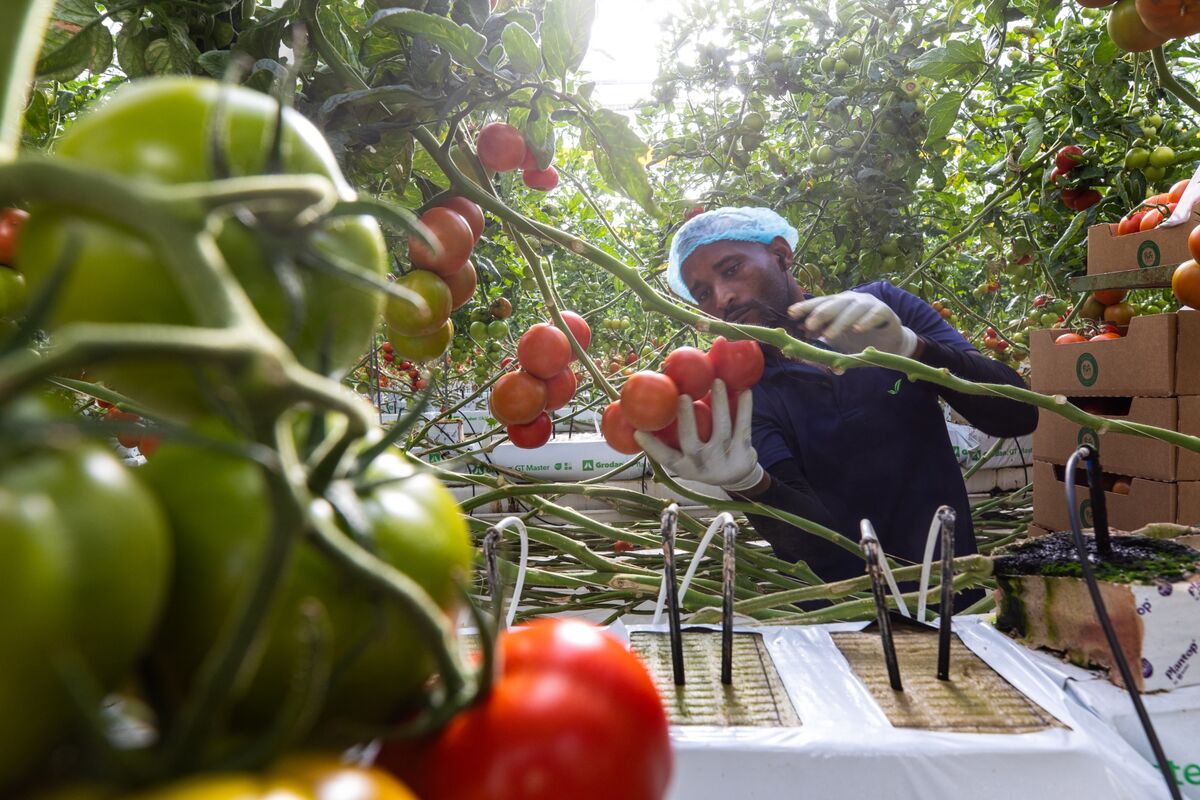
Dubai’s Food Suppliers Face Challenges in Conflict Areas
Bananas, coffee, chickens, and rice intended for the Gulf region are in a state of uncertainty as shipments have either been stranded or rerouted. This disruption is forcing shippers to explore different logistics solutions to ensure timely delivery.
Impact on Global Supply Chains
The current challenges affecting shipments to the Gulf have shed light on the vulnerabilities inherent in global supply chains. Delays and diversions in shipping routes can lead to significant ramifications, not only for exporters but also for consumers in the Gulf states. Products may experience increased costs due to the need for alternative transportation methods, which can inflate prices at local markets.
Moreover, these disruptions can lead to spoilage, especially for perishable goods like bananas and chicken. As supply chains adapt to changing conditions, the need for resilience and flexibility becomes evident. Companies are re-evaluating their transportation strategies to mitigate risks associated with global logistics, prioritizing timely delivery while managing cost-effectiveness.
Shippers Seek Alternative Solutions
As the situation evolves, shippers are actively searching for new routes and methods to transport goods to the Gulf region. Innovative logistics solutions, such as air freight or regional distribution centers, are being explored to bypass traditional shipping complications. Utilizing air transport can expedite deliveries at a higher cost, but it may be a necessary investment for time-sensitive products.
Moreover, diversifying transportation modes allows shippers to mitigate the impact of ongoing disruptions. By adopting a multi-modal approach—incorporating road, rail, and shipping—they can enhance the reliability and speed of their supply chains. This adaptable strategy can help reduce the overall burden caused by delays, ultimately benefiting both suppliers and consumers.
The Future of Shipping to the Gulf Region
Looking forward, the Gulf region’s importers and exporters may need to rethink their long-term strategies in light of these ongoing disruptions. Increased collaboration among industry stakeholders can help in developing more resilient supply chains. Building better relationships with logistics providers and sharing data on shipment conditions will foster a proactive approach to potential disruptions.
Furthermore, investment in technology, such as predictive analytics and real-time tracking systems, can play a crucial role in predicting and managing disruptions. By leveraging data effectively, businesses can make informed decisions that minimize the impact of unforeseen events, ensuring that essential goods reach consumers without extensive delays.
As the global shipping landscape continues to evolve, those involved in the import and export sectors must remain agile and prepared for future challenges. Emphasizing adaptability, innovation, and collaboration will be vital for maintaining a steady flow of goods to the Gulf region, ensuring that consumers receive their products without significant interruption.